
Updated on: March 29, 2026
Artisan crafted silver pendants represent a timeless investment in quality jewelry that combines traditional metalworking techniques with contemporary design aesthetics. These handmade pieces offer superior durability, authentic craftsmanship, and individual character that mass-produced alternatives cannot replicate. Whether you seek a statement piece or an everyday accessory, understanding the value and selection process for artisan-made sterling silver pendants will enhance your jewelry collection significantly. This guide explores the benefits, selection criteria, and care practices for these exceptional pieces.
Table of Contents
- Product Spotlight
- Understanding Artisan Craftsmanship in Silver Design
- Step-by-Step Guide to Selecting Quality Handmade Pendants
- Personal Experience with Fine Silver Jewelry
- Summary and Recommendations
- Frequently Asked Questions
Product Spotlight
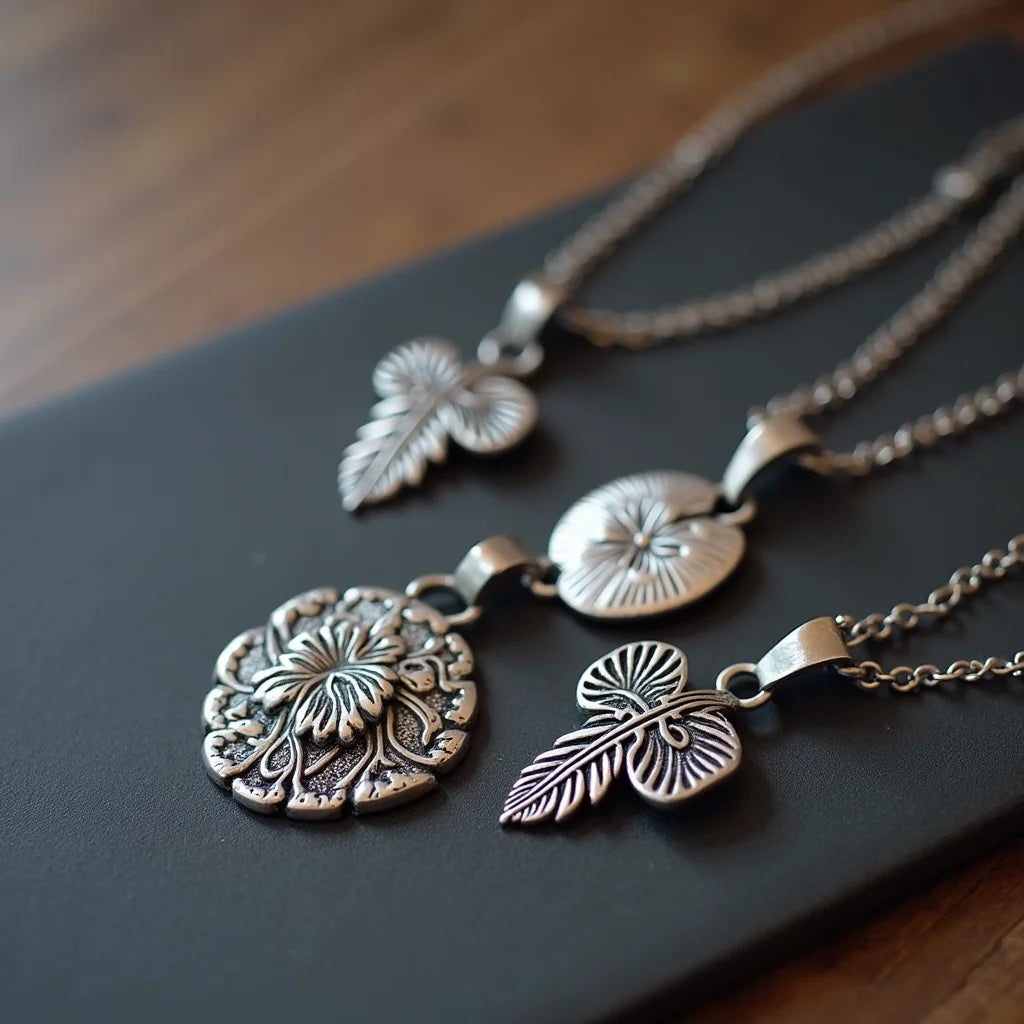
When evaluating artisan crafted silver pendants, examining specific examples helps illustrate the quality standards you should expect. Premium handmade pendants showcase meticulous attention to detail, superior material composition, and design elements that reflect the artisan's expertise and vision. These pieces often feature sterling silver construction, which guarantees ninety-two point five percent pure silver content combined with other metals for structural integrity.
One exemplary category includes fine sterling silver cross pendants, which demonstrate exceptional dimensional precision and symbolic significance. These pieces combine religious or cultural meaning with wearable artistry, featuring hand-finished surfaces and carefully constructed bail systems that accommodate various necklace styles. The craftsmanship visible in such pieces reflects the maker's commitment to both aesthetic beauty and functional durability.
Another notable option includes protective symbol pendants with sterling silver construction, which often incorporate gemstone elements or intricate relief patterns. These pieces appeal to those seeking deeper meaning in their jewelry selections while appreciating superior metalwork. The integration of stones or decorative elements requires advanced technical skill, distinguishing genuine artisan work from factory production.

Skilled hands shaping molten silver with traditional metalworking tools and techniques
Understanding Artisan Craftsmanship in Silver Design
The distinction between mass-produced jewelry and artisan crafted silver pendants lies fundamentally in methodology, material quality, and individual attention. Artisans employ traditional techniques including hand-forming, stone-setting, and surface finishing that cannot be replicated through automated industrial processes. Each handmade pendant carries unique variations in patina, surface texture, and dimensional detail that constitute marks of authenticity rather than manufacturing inconsistency.
Sterling silver selection itself reflects artisan dedication to quality. Professional jewelry makers source highest-grade silver materials, understanding how composition affects workability, durability, and aesthetic properties. The investment in superior raw materials, combined with time-intensive hand-processing, results in jewelry pieces that justify premium pricing through longevity and beauty.
Italian artisans maintain particularly strong traditions in silver jewelry manufacturing, combining centuries-old techniques with contemporary design sensibilities. Many specialized workshops in Italy continue handcrafting necklaces and pendants using methods passed through generations, ensuring cultural preservation alongside artistic innovation. When selecting artisan crafted silver pendants, Italian-made pieces often represent exceptional value, combining Old World craftsmanship with modern quality standards.
Step-by-Step Guide to Selecting Quality Handmade Pendants
Step One: Verify Sterling Silver Composition
Genuine artisan crafted silver pendants must display hallmarks indicating authentic sterling silver content. Look for stamps reading "925" or "950," which denote silver purity percentages. Reputable artisans provide certification documentation or authentication markers that confirm material authenticity. Request information about silver sourcing and any additional metals incorporated into the alloy, understanding how composition affects durability and maintenance requirements.
Step Two: Examine Craftsmanship Details
Inspect pendants closely for evidence of hand-finishing work. Examine surface texture, edge refinement, and joint construction. Handmade pieces typically display subtle variations in finish that indicate individual artisan work rather than mechanical uniformity. Look for smooth transitions between design elements, secure stone settings if applicable, and overall dimensional consistency. Professional artisans stand behind their work through detailed imagery and customer service responsiveness.
Step Three: Consider Design Permanence
Select pendant designs that transcend temporary trends, ensuring long-term wearability and aesthetic satisfaction. Classic geometric forms, meaningful symbols, and minimalist silhouettes age gracefully and coordinate with diverse clothing styles. Overly intricate designs may accumulate dust in crevices, complicating cleaning and maintenance routines. Balance visual interest with practical care considerations when making final selections.
Step Four: Evaluate Chain Compatibility
Ensure selected pendants complement available necklace options through appropriate bail sizing and material coordination. Consider pairing silver pendants with complementary chain styles, such as diamond-cut rope chains in sterling silver or singapore chain necklaces featuring solid sterling silver construction. Quality chain selection enhances pendant presentation while ensuring structural support appropriate to pendant weight and design.
Step Five: Research Artisan Background
Investigate maker reputation, production location, and artistic philosophy before finalizing purchases. Authentic artisans typically provide detailed information about their creative process, material sources, and craftsmanship standards. Many maintain social media presence or dedicated websites showcasing their work and production practices. Customer reviews and testimonials offer valuable insights into product quality, durability, and customer service reliability.

Close-up detail of intricate hand-carved silver surface with precise texture and patina finishing
Personal Experience with Fine Silver Jewelry
My appreciation for artisan crafted silver pendants developed through years of jewelry appreciation and professional evaluation. Early in my jewelry exploration, I purchased mass-produced sterling silver pieces that disappointed through rapid surface deterioration and structural fragility. The pendants tarnished unpredictably, developed stress fractures at attachment points, and failed to justify their purchase prices through longevity.
This experience prompted deeper investigation into craftsmanship standards and material quality. Upon examining authentic artisan pieces from Italian workshops, I recognized immediately the fundamental differences in construction methodology and material composition. The hand-finished surfaces, precise stone settings, and substantial silver weights created jewelry that improved aesthetically through wear, developing character and patina that enhanced rather than diminished visual appeal.
Transitioning to artisan selections transformed my jewelry collection from disposable fashion accessories into meaningful personal assets. Pieces purchased a decade ago continue providing daily wearability without compromise, their designs remaining aesthetically relevant while gaining sentimental value through time. This experience reinforced understanding that genuine craftsmanship represents investment rather than expense, with long-term satisfaction and durability justifying premium pricing structures.
Summary and Recommendations
Artisan crafted silver pendants offer unparalleled combination of beauty, durability, and meaningful artistry that enriches personal jewelry collections substantially. These handmade pieces reflect individual artisan vision while maintaining functional excellence through superior material selection and traditional construction techniques. The premium investment required for genuine artisan work returns significant value through extended lifespan, aesthetic satisfaction, and personal connection to maker heritage.
For those beginning their artisan jewelry journey, prioritize verification of sterling silver authenticity, examination of craftsmanship details, and research into maker reputation and production practices. Select designs transcending temporary trends, ensuring lasting relevance across years of consistent wear. Pair pendants with complementary chain styles that enhance visual presentation while providing appropriate structural support.
Consider exploring Italian-made options, which often represent exceptional value combining centuries-old craftsmanship traditions with modern quality standards. Websites featuring detailed product imagery, artisan biographies, and customer testimonials provide reliable foundations for informed purchasing decisions. Invest in pieces that resonate personally, reflecting your aesthetic preferences and values while honoring artisan dedication to their craft.
Frequently Asked Questions
How do I distinguish genuine artisan crafted silver pendants from mass-produced alternatives?
Authentic artisan pendants display individual craftsmanship markers including subtle surface variations, hand-finished details, and precise dimensional construction impossible to replicate through automated manufacturing. Examine products under magnification, noting surface texture consistency, joint refinement, and evidence of hand-tool working. Reputable artisans provide detailed sourcing information, maker biographies, and transparent production practices. Request high-resolution product imagery showing multiple angles and detail perspectives, which legitimate craftspeople readily provide. Mass-produced items typically display mechanical perfection that paradoxically indicates factory production, as human handwork naturally incorporates minor variations reflecting individual artisan technique.
What sterling silver composition should I prioritize when selecting handmade pendants?
Standard sterling silver composition of ninety-two point five percent pure silver (marked as 925) represents the optimal balance between durability, workability, and precious metal content. Some artisans employ higher purity silver (950 or higher), which enhances precious metal value but reduces structural integrity, potentially causing bending or deformation during wear. Ninety-five percent silver compositions offer middle-ground options providing additional durability while maintaining elevated purity standards. Avoid pendants without clear hallmarking or composition documentation, as unmarked pieces may contain significantly lower silver percentages or undisclosed alloy materials. Request specific information about all metals incorporated into the piece, understanding how various elements affect color, maintenance requirements, and long-term durability characteristics.
How should I care for and maintain artisan crafted silver pendants?
Proper maintenance extends pendant lifespan and preserves aesthetic qualities developed through artisan craftsmanship. Store pieces in individual cloth pouches or lined jewelry boxes, preventing contact with moisture and atmospheric elements that accelerate tarnishing. Clean pendants regularly using specialized silver polishing cloths or mild soap solutions with soft brushes for intricate designs. Avoid harsh chemical cleaners or abrasive materials that remove hand-finished patina or damage gemstone settings. Remove jewelry before swimming, exercising, or engaging in activities exposing pieces to perspiration or environmental contaminants. Professional cleaning through reputable jewelers annually maintains superior appearance while allowing examination for structural integrity concerns. With consistent care, artisan pendants age beautifully, developing rich patina that enhances rather than detracts from original design aesthetics.
What price range should I expect for legitimate artisan crafted silver pendants?
Genuine handmade sterling silver pendants typically range from seventy-five dollars to several hundred dollars depending on complexity, stone inclusions, artisan reputation, and production location. Pieces featuring intricate hand-carved designs, gemstone settings, or limited production runs command premium pricing reflecting substantial labor investment. Italian-made pendants often cost more than mass-produced alternatives but provide superior value through exceptional craftsmanship and durability. Suspiciously low pricing frequently indicates mass manufacturing or questionable material composition rather than genuine artisan work. Conversely, astronomical pricing without corresponding craftsmanship evidence may reflect marketing inflation rather than actual quality. Research comparable pieces from established artisans, comparing pricing against documented materials and production hours to develop realistic expectations for specific styles and complexity levels.
Can I customize artisan crafted silver pendants to match personal preferences?
Many professional artisans accept custom commissions, creating personalized pendants reflecting individual aesthetic preferences and meaningful symbolism. Custom work typically requires detailed communication about design vision, material preferences, stone selections, and dimensional requirements. Expect longer production timelines for commissioned pieces, typically ranging from two to eight weeks depending on complexity and artisan schedule. Custom work generally costs more than standardized designs, reflecting additional design consultation, modification iterations, and personalized production attention. Request detailed mockups or design sketches before production begins, ensuring alignment between your vision and artisan interpretation. Establish clear agreements regarding revision processes, material sourcing, timeline expectations, and payment terms to facilitate smooth collaboration.
Are Italian-made silver pendants consistently superior to pieces from other countries?
Italy maintains exceptionally strong jewelry craftsmanship traditions spanning centuries, with many workshops continuing ancestral techniques and quality standards. Italian artisans typically demonstrate rigorous attention to material selection, dimensional precision, and surface finishing reflecting deep cultural commitment to craftsmanship excellence. However, superior quality artisans exist globally, including regions of Europe, North America, and other international locations maintaining comparable standards. Evaluate individual makers rather than making assumptions based solely on production location. Italian production location provides reasonable quality indicator but should not replace direct examination of craftsmanship evidence, material documentation, and maker reputation verification. Focus on artisan credentials, production transparency, and customer testimonials rather than relying exclusively on geographical origin.
How do I verify that pendants are genuinely handmade rather than partially or entirely machine-produced?
Request detailed production process information from artisans, including which elements involve hand-finishing versus machine assistance. Legitimate handmade pieces typically involve hand-forming, hand-finishing, and individual quality inspection, though some modern artisans appropriately incorporate selective machinery for initial material preparation. Examine product imagery carefully for evidence of hand-tool marks, individual surface variations, and craftsmanship indicators impossible to replicate through purely automated production. Connect directly with makers through communication channels, asking specific questions about their production methodology. Genuine artisans enthusiastically discuss their techniques and take pride explaining hand-finishing details. Factory-produced items marketed as "handmade" typically lack specific production information, artisan identification, or transparent communication about manufacturing processes. Skepticism toward vague "artisan-made" claims without supporting craftsmanship evidence protects against misleading marketing.
What should I consider when pairing artisan silver pendants with necklace chains?
Chain selection significantly affects pendant presentation and overall aesthetic impact. Consider pendant weight and size when selecting chain thickness and material durability. Lightweight delicate pendants pair beautifully with fine Italian solid sterling silver rope chains, while substantial pendants require proportionally thicker chains providing appropriate structural support. Coordinate chain style with pendant design aesthetic—classic pendants suit timeless chains, while contemporary designs may pair with modern chain styles. Material matching ensures visual cohesion; sterling silver pendants typically coordinate seamlessly with sterling silver chains. Consider pendant bail sizing to ensure comfortable chain passage without stress or deformation. Professional jewelers can modify chains or pendants if necessary, though this adds expense and unnecessary complications. Plan compatibility when selecting pieces, choosing complementary combinations that enhance overall visual presentation.
How can I build a diverse artisan silver pendant collection thoughtfully?
Develop collecting strategy prioritizing versatility and personal meaningful connections rather than accumulating pieces randomly. Select designs transcending temporary trends, ensuring lasting aesthetic relevance. Choose complementary styles enabling various styling combinations with existing wardrobe and jewelry pieces. Balance statement pendants with subtle designs appropriate for diverse occasions and outfit types. Document your collection through photography and detailed records, tracking maker information, material specifications, and acquisition dates. Rotate pendant usage regularly, preventing excessive wear on individual pieces while maintaining consistent jewelry variety. Connect with artisans personally, potentially following their work development over years and acquiring pieces reflecting your evolved aesthetic preferences. Thoughtful collection development transforms casual jewelry ownership into meaningful investment in craftsmanship appreciation and personal artistic expression.
What environmental and ethical considerations should influence artisan pendant selection?
Responsible artisan selection supports sustainable craftsmanship practices and ethical material sourcing. Investigate whether makers utilize responsibly sourced silver, preferably from certified recycled materials or ethically managed mining operations. Inquire about workshop labor practices, ensuring fair compensation and safe working conditions for all production team members. Support artisans demonstrating environmental consciousness through minimal waste production, sustainable packaging, and carbon-conscious business practices. Many Italian workshops maintain generations-long community presence, providing local employment and supporting traditional craftsmanship preservation. Choosing established artisans with transparent practices over anonymous mass production supports both personal integrity and broader cultural values. Request documentation regarding material sourcing and production ethics, as legitimate artisans readily provide this information.
Can artisan crafted silver pendants serve as meaningful gifts?
Handmade silver pendants make exceptional gifts reflecting thoughtfulness and appreciation for recipient individuality. The personal nature of artisan work conveys care and intentionality impossible to express through mass-produced alternatives. Consider recipient aesthetic preferences, lifestyle, and meaningful symbolism when selecting designs. Include artisan biography or maker story with gifts, enriching recipient understanding of craftsmanship and artistic heritage embedded in the piece. Handmade items appreciate sentimentally through years of wear, becoming cherished family heirlooms rather than disposable accessories. For significant occasions, consider commissioning custom pieces creating unique items impossible to duplicate, ensuring gift exclusivity and personal resonance. Present gifts with confidence knowing that genuine craftsmanship provides lasting value and satisfaction extending decades beyond initial acquisition.
What role does patina development play in artisan silver pendant aesthetics?
Patina represents natural oxidation creating rich darkening and textural depth across silver surfaces through years of wear and environmental exposure. Rather than detracting from beauty, patina enhances hand-finished pendants, developing character and distinction that distinguishes well-worn pieces from newer acquisitions. Many artisans intentionally design pieces celebrating patina development, creating surfaces and finishes that improve aesthetically through time. Regular wearing accelerates favorable patina development while occasional polishing maintains brightness depending on personal preference. Understanding patina as desirable feature rather than surface degradation changes perspective on pendant aging, reframing wear as positive character development. Some owners deliberately cultivate rich patinas through minimal polishing, allowing full oxidation expression, while others maintain brighter finishes through regular cleaning. Neither approach proves superior—personal preference determines patina management alongside individual aesthetic vision.
How do artisan crafted silver pendants compare to gold and other precious metal alternatives?
Silver pendants offer superior accessibility compared to gold alternatives while maintaining precious metal value and investment potential. Sterling silver provides elegant aesthetic appeal comparable to higher-karat gold while remaining substantially more affordable. Silver oxidizes naturally creating patina characteristics gold does not develop, adding dimensional aging qualities appreciated by many collectors. Gold pieces resist tarnishing and maintain bright finishes requiring minimal maintenance compared to silver care routines. Some artisans work in mixed metals, combining silver with gold accents or utilizing gold vermeil finishes creating gold appearance with silver base materials. Consider personal color preferences, maintenance commitment, and budget constraints when selecting between precious metals. Each material offers distinct advantages—silver for patina appreciation and accessibility, gold for durability and brightness maintenance, mixed metals for compromise solutions. Evaluate specific pendants rather than assuming universal material superiority, as exceptional pieces exist across all precious metal categories.
Where should I purchase artisan crafted silver pendants to ensure authenticity and quality?
Prioritize direct artisan purchases through personal websites, studio visits, or established online platforms featuring maker verification systems. Direct relationships ensure authentic pieces while supporting artisan livelihoods fairly. Research seller reputation thoroughly, examining customer reviews, return policies, and quality guarantees. Established retailers specializing in handmade jewelry typically vet artisan credentials, providing additional quality assurance beyond independent makers. Avoid marketplace platforms lacking seller authentication or artisan verification, as counterfeit products and misrepresented items proliferate in unregulated environments. Request detailed product information, high-resolution imagery, material documentation, and artisan background before purchasing. Legitimate sellers provide transparent communication, detailed product specifications, and responsive customer service. Consider purchasing from Italian retailers specializing in locally-made jewelry, accessing authentic handcrafted pendants while supporting traditional craftsmanship preservation.
What future trends should I anticipate in artisan silver pendant design?
Contemporary artisans increasingly emphasize sustainability, utilizing recycled silver and eco-conscious production practices appealing to environmentally-aware collectors. Minimalist design movements continue influencing pendant aesthetics, with many makers moving toward subtle geometry and refined simplicity. Personalization and customization services expand, enabling individual expression through commissioned pieces reflecting unique preferences. Artistic collaborations between jewelry makers and other craftspeople create hybrid pieces combining multiple techniques and materials. Revival of traditional techniques gains momentum as collectors recognize lasting value in heritage craftsmanship over disposable fashion trends. Technological advancement enables selective integration of contemporary tools while maintaining fundamental handwork commitment distinguishing true artisan production. Antique restoration services and upcycling practices grow, transforming inherited or discarded silver into renewed artisan pieces. Future trends emphasize meaning, sustainability, and personal connection—values distinguishing genuine artisan work from commercial alternatives.
How should I authenticate artisan crafted silver pendants before completing purchases?
Request and examine hallmarks indicating genuine sterling silver composition—925, 950, or 975 stamps verify precious metal content. Verify hallmarks through visual inspection and documentation provided by sellers. Request maker marks or signatures proving artisan identity and authentication. Contact makers directly, requesting confirmation of specific pieces and production details. Examine weight relative to size; authentic silver pendants feel substantial compared to lightweight alternatives containing minimal precious metal. Utilize jeweler authentication services for high-value pieces, investing small fees ensuring authenticity verification before significant purchases. Research maker reputation independently, examining online portfolios, customer testimonials, and professional credentials. Trust instincts regarding seller communication transparency and responsiveness—legitimate artisans readily provide detailed information and answer authentication questions comprehensively. Avoid purchases from sellers unable or unwilling to provide authenticating information, as legitimate craftspeople stand behind their work with documentation and customer service support.
Can artisan silver pendants be resized or modified after purchase?
Most artisan pendants can be modified through professional jewelers, though modifications may affect artisan aesthetic intentions and potentially reduce value. Common modifications include chain length adjustments, bail replacements for chain compatibility, and stone resetting or adjustment. Consult professional jewelers before attempting modifications, as inappropriate alterations may damage pieces or compromise structural integrity. Some artisans offer modification services for pieces they create, maintaining design integrity through knowledgeable handling. Discuss modification possibilities with artisans before purchasing if you anticipate future alterations. Plan initial pendant selections accounting for anticipated usage and styling needs, minimizing necessary modifications and preserving original artisan craftsmanship. Quality artisans appreciate long-term customer relationships, often accommodating reasonable modifications or repairs to their pieces. Request recommendations for trusted jewelers capable of handling artisan work respectfully when professional modification becomes necessary.
How do artisan crafted silver pendants contribute to sustainable jewelry practices?
Handmade jewelry inherently supports sustainability through minimal waste production compared to industrial manufacturing generating substantial material and energy waste. Artisan practices typically emphasize quality and longevity, creating pieces intended for decades of use rather than seasonal disposal encouraging sustainable consumption. Responsibly-sourced silver reduces environmental impact associated with mining operations, with recycled precious metals providing ethical alternatives to newly extracted material. Small-scale production minimizes transportation emissions and energy consumption compared to mass manufacturing distributing products globally. Local artisan employment supports community economies while reducing supply chain complexity. Many contemporary makers specifically prioritize environmental consciousness, selecting sustainable packaging, minimizing water usage, and implementing waste reduction practices. Supporting artisan work over mass production represents personal commitment to environmental responsibility, encouraging industry-wide movement toward sustainable craftsmanship practices.
What investment potential do artisan crafted silver pendants offer?
Sterling silver maintains inherent precious metal value fluctuating with commodity markets, providing baseline investment protection. Exceptional artisan pieces appreciate aesthetically and sometimes financially, particularly works from established makers gaining recognition and reputation. Limited edition or one-of-a-kind pieces possess potential investment value exceeding material content alone. Handmade jewelry collectibility depends on maker prominence, design significance, condition maintenance, and market demand evolution. Unlike stocks or bonds, jewelry investments appreciate slowly while providing wearable enjoyment, combining financial and aesthetic returns simultaneously. Vintage artisan pieces from deceased or retired makers often appreciate significantly as availability decreases. Purchase pieces for personal enjoyment rather than speculative investment, allowing potential appreciation benefits without disappointing expectations. Document acquisitions thoroughly, maintaining records of maker, production date, materials, and purchase information supporting future appraisal and potential resale if circumstances change.
How can I connect with artisan communities to deepen appreciation for handmade silver jewelry?
Attend craft fairs, jewelry exhibitions, and artisan markets providing direct maker contact and community engagement. Follow artisan social media channels, engaging with their creative processes and staying informed about new releases. Subscribe to jewelry craft publications and blogs discussing artisan work, craftsmanship techniques, and industry developments. Visit artisan studios when traveling, experiencing production environments and connecting personally with makers. Join jewelry appreciation groups or online communities dedicated to handmade jewelry, connecting with fellow enthusiasts sharing knowledge and recommendations. Attend workshops or classes teaching jewelry appreciation fundamentals, enhancing understanding of craftsmanship techniques and quality assessment. Support artisan communities through regular purchases, personal referrals, and thoughtful engagement recognizing their creative contributions. Building genuine relationships with makers enriches jewelry experiences immeasurably, transforming transactions into meaningful cultural exchange celebrating human creativity and traditional craftsmanship.
What seasonal considerations should influence artisan silver pendant selection and styling?
Consider seasonal clothing palettes when selecting pendant styles, choosing designs coordinating with typical seasonal wardrobe colors and weights. Summer styles often favor lighter chains and delicate pendants complementing flowing fabrics and exposed necklines. Winter seasons support statement pendants worn over sweaters or layered clothing, where substantial designs create visual impact. Cool-toned pendants complement cool seasonal palettes, while warmer finishes enhance autumn clothing choices. Consider seasonal lifestyle activities—water exposure during summer requires particular attention to pendant durability and material resilience. Develop versatile core collection enabling comfortable wear across all seasons, augmented by season-specific statement pieces. Rotate collections seasonally, preventing excessive wear on individual pieces while maintaining jewelry variety. Thoughtful seasonal selection optimizes pendant visibility and aesthetic coordination across year-round styling.
How do artisan crafted silver pendants reflect cultural heritage and artistic tradition?
Handmade pendants frequently incorporate cultural symbols, religious significance, or artistic traditions reflecting maker heritage and artistic vision. Italian artisan pieces often celebrate Mediterranean craftsmanship traditions, blending classical design principles with contemporary aesthetics. Many pendants feature symbolic elements representing protection, spirituality, or cultural identity, providing wearers meaningful personal connection transcending decorative function. Cross pendants, for example, carry profound religious and cultural significance, with individual artisan interpretation reflecting personal beliefs and artistic philosophy. Symbol-rich designs appeal to collectors seeking meaningful jewelry articulating personal identity and values. Understanding cultural context enriches appreciation for pendant significance beyond aesthetic surface appeal. Support artisan communities preserving traditional craftsmanship through regular patronage, ensuring cultural knowledge transmission to future generations. Wearing artisan pieces celebrates human creativity across cultures while honoring traditional skills commanding respect and recognition.
What warranty and return policies should reputable artisan sellers provide?
Legitimate artisans stand behind their work through reasonable return policies and quality guarantees protecting customer investments. Standard thirty-day return windows accommodate quality assessment and satisfaction verification without unreasonable pressure. Detailed warranty information specifying coverage for manufacturing defects and material failures demonstrates maker confidence in craftsmanship quality. Reasonable shipping return policies encourage customer confidence while protecting artisan interests from frivolous returns. Custom commission pieces typically feature modified return policies acknowledging personalization and non-resalability of unique creations. Request clear warranty information before purchasing, ensuring understanding of coverage scope, duration, and claim procedures. Reputable sellers provide responsive customer service, addressing quality concerns professionally and pursuing reasonable resolutions. Avoid sellers offering no returns or warranties, as legitimate artisans confidently support their work through customer-friendly policies. Insurance or shipping protection options provide additional security for valuable pieces, offsetting loss risks during transit.
How does pendant sizing affect visual impact and wearing comfort?
Pendant dimensions significantly influence visual presentation and wearing comfort, requiring thoughtful consideration during selection. Oversized pendants create dramatic visual statements while requiring strong neck support and potentially overwhelming petite frames. Delicate smaller pendants provide subtle aesthetic interest without visual dominance, suitable for layering with additional necklaces or understated styling preferences. Consider pendant length relative to neckline depth, ensuring
Share:
How to Style Stylish Silver Rings for Any Occasion
Discover Why a Heavy Duty Bracelet Elevates Everyday Style