
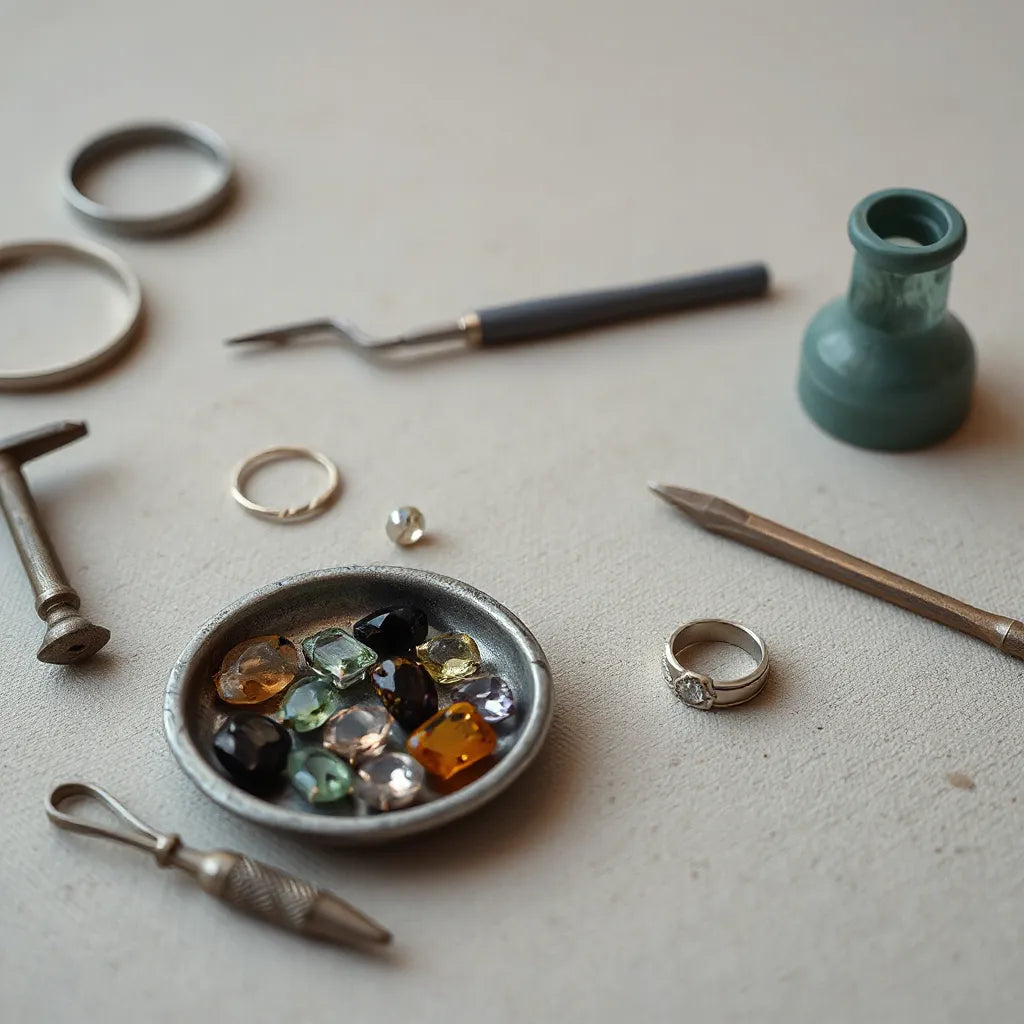
Updated on: 2026-08-26
Custom jewelry designs help you turn personal meaning into a wearable piece. This guide explains how to plan a design, choose materials, and work with a jeweler to avoid costly mistakes. You will also learn how to protect the finished jewelry during daily wear and storage. Finally, you will find clear answers to common questions about sourcing, timelines, and quality checks.
Table of Contents
Why custom jewelry designs are worth the effort
Choosing custom jewelry designs is not only about standing out. It is about creating a piece that matches your style, your story, and the way you wear accessories every day. When a design is made for you, proportions, finishing, and placement decisions can be tuned to your preferences. That reduces the chance of buying something that looks good in photos but feels wrong in real life.
Handmade silver jewelry offers another advantage: craft-led production. A maker can refine details such as engraving depth, surface texture, and stone settings so the finished piece holds up to frequent handling. If you are looking for a reliable path from concept to finished jewelry, it helps to understand the design process and the quality checks that experienced workshops use.
Myths vs. Facts
-
Myth: Custom work is always slower and more expensive.
Fact: Speed depends on complexity and production planning. Costs depend on materials, labor, and finishing choices. Clear requirements often prevent delays and rework. -
Myth: Any idea can be created without limitations.
Fact: Metal thickness, clasp style, and how a setting is secured influence what is practical. A knowledgeable jeweler helps you adapt the concept while preserving the intent. -
Myth: All silver is the same quality.
Fact: Alloy composition, polishing method, and surface finishing affect color, brightness, and durability. Choosing appropriate metal standards supports long-term wear. -
Myth: Personalization means adding more elements.
Fact: Personal meaning can be conveyed through proportions, engraving, hidden symbols, and balanced styling rather than adding visual clutter.
Step-by-Step Guide to custom jewelry designs
-
Define the purpose and use case. Decide whether the piece is daily wear, a milestone gift, or an occasion accessory. This affects comfort details such as chain weight and edge finishing.
-
Collect inspiration and constraints. Gather reference photos for style only. Also note must-haves and boundaries, such as color preference, preferred metal, and size limits for stones or pendants.
-
Choose the base form. Select the jewelry type first: necklace, bracelet, pendant, or charm. For many buyers, a necklace chain and a separate centerpiece provide easier personalization.
-
Select materials and finish. Decide on sterling silver, gold vermeil, or a blend based on the look you want and how you plan to care for the piece. Finish choices also determine how it reflects light.
-
Specify design details. Identify engraving text, symbol shape, clasp preference, and any stone placement. Clear written instructions reduce confusion during production.
-
Request a fitting plan. Confirm chain length, pendant scale, and how the piece will sit on the body. This step avoids awkward positioning.
-
Review quality checks before acceptance. Validate that edges are smooth, settings are secure, and engraving is readable. Ask for photos of the finished work where possible.
Choosing materials and fit for everyday comfort
The most flattering custom jewelry designs are comfortable and proportionate. If you plan to wear the piece daily, prioritize a chain and clasp combination that feels stable without pinching. Pay close attention to chain gauge, link shape, and how the clasp operates with one hand. These choices matter as much as the main centerpiece.
For those focused on handmade silver jewelry, sterling silver remains a strong default due to its elegance and wide compatibility with engraving and polishing styles. Some buyers prefer gold vermeil for a warmer tone, especially when pairing with other jewelry. Either option can be suitable, but your maintenance habits should match the finish.

Sketches of chain lengths, clasp types, and comfort fit
Fit also includes scale. A pendant that is too large can overpower a delicate chain. A pendant that is too small may not show the details you worked hard to personalize. A jeweler can help you match centerpiece size to chain length so the design reads well from close range and holds its shape in motion.
If you want a chain foundation that pairs with a future pendant, consider starting with a rope-style link or a diamond-cut texture. These designs catch light and can complement engraving and small symbolic elements without overpowering them. You can explore options such as diamond-cut rope chain or a slightly bolder rope link like 4mm diamond-cut rope chain, then build the centerpiece around your concept.
Working with designers and makers in the custom workflow
A reliable custom workflow turns vague inspiration into buildable instructions. The best process is collaborative. The maker asks targeted questions about size, placement, and finishing so the design can be manufactured with consistent accuracy.
When working with an Italian workshop that makes jewelry in Italy, you benefit from standardized bench practices and mature quality control routines. Italiabchains focuses on this approach by producing handmade pieces in Italy and shipping directly to the customer. That model can reduce handling steps and support tighter coordination from design intent to final inspection.
Expect the maker to confirm technical feasibility. For example, a complex engraving or a deeply set stone requires planning around metal thickness and polishing method. A thoughtful jeweler can also propose simplified alternatives if your initial concept would create durability risks during daily wear.
To keep the project efficient, prepare your preferences in a structured form. Include the intended metal, symbol shapes, and the placement you prefer on the body. If you are personalizing text, specify the exact spelling, punctuation, and capitalization style. That clarity helps the workshop execute the detail exactly as you imagine it.

Workshop sketches and measurements for balanced necklace proportions
Care and maintenance for long-lasting custom pieces
Even the most carefully crafted custom jewelry designs require smart care. Daily wear exposes metal to skin oils, lotions, and friction from clothing. The goal is to keep surfaces clean and prevent buildup in crevices where dirt can collect.
Use a soft, dry cloth after wearing to remove residue. For deeper cleaning, use a gentle approach designed for silver or vermeil surfaces. Avoid harsh abrasives and aggressive chemicals that can dull polish or affect coatings. If your piece includes engraving, use careful light cleaning so the recessed lines stay crisp.
Storage also affects finish. Keep the jewelry in a dry place and separate it from other pieces to reduce scratching. Chains can tangle, so storing them flat or in a fabric pouch often preserves the surface texture and keeps diamond-cut details looking sharp.
Finally, schedule routine checks for settings and clasps. The clasp is a critical safety component. If it loosens or begins to feel inconsistent, addressing it early protects both the piece and the wearer.
By matching your care habits to the materials you choose, handmade silver jewelry can retain its intended look for years. A consistent routine also makes custom personalization feel more durable, because the details stay clean and readable.
Frequently Asked Questions
How do I start designing a necklace if I only have a rough idea?
Begin by defining the purpose, the metal preference, and the style direction. Then gather a small set of reference images that show silhouettes, not only decorations. From there, you can refine chain style, pendant size, and personalization details into a clear brief that the maker can build.
Can I personalize text or symbols on sterling silver jewelry?
Yes. Text and symbolic engraving are common personalization methods for custom pieces. The maker should help confirm legibility at the chosen size and ensure engraving depth supports durability during daily wear.
What should I check before accepting the finished jewelry?
Confirm comfort details, including clasp function and how the pendant sits. Also review edge finishing, engraving readability, and the security of any settings. If the workshop provides images or a review step, use it to verify that the final version matches your approved plan.
Summary & Key Takeaways
Custom jewelry designs allow you to translate meaning into a piece that feels personal, comfortable, and visually balanced. You can make the process efficient by setting a clear use case, choosing the right materials, and defining design details with precision. When you pair that plan with professional bench work and careful finishing, handmade silver jewelry can remain wearable and attractive for years. If you are ready to move forward, explore chain foundations and design options from Italiabchains and build your next piece with confidence.
Q&A Section
What size should a pendant be for everyday custom jewelry designs?
A good everyday size is one that remains readable without dominating the necklace. If you prefer subtle personal details, choose a smaller centerpiece with clean engraving. If your goal is visual impact, select a larger shape while keeping chain weight comfortable. A maker can help match pendant scale to your chain length and desired placement.
Are rope-style chains a better base for personalization?
Rope-style chains often work well because their texture creates consistent light reflection. That helps the pendant and engraved elements remain visible from different angles. If you want a refined look, a diamond-cut rope finish can provide extra sparkle while still supporting engraving clarity.
Can I request changes after the initial design discussion?
Most custom projects can accommodate adjustments early in the process, especially when the changes affect finishing, scale, or layout. To reduce rework, keep your revisions focused and ensure every change is communicated clearly. If the maker has already begun production, changes may require additional time or cost depending on the stage.
About the Author
Mike Luciano is a jewelry industry contributor with expertise in product development, materials selection, and design-quality standards for modern accessories. He focuses on practical guidance that helps customers make confident choices and understand the work behind each piece. His aim is to support buyers who value craftsmanship, comfort, and long-term durability in handmade silver jewelry. Thank you for reading, and may your next custom piece reflect your story with clarity.
Disclaimer: This article is for informational purposes only and does not replace professional advice from a qualified jeweler or the specific guidance provided by your chosen workshop. Results can vary based on design complexity, material selection, and care routines.
Share:
Fashion Accessories for Every Occasion: Quick Styling Ideas
Elegant Silver Earrings: How to Choose the Right Pair