
Updated on: 2026-07-20
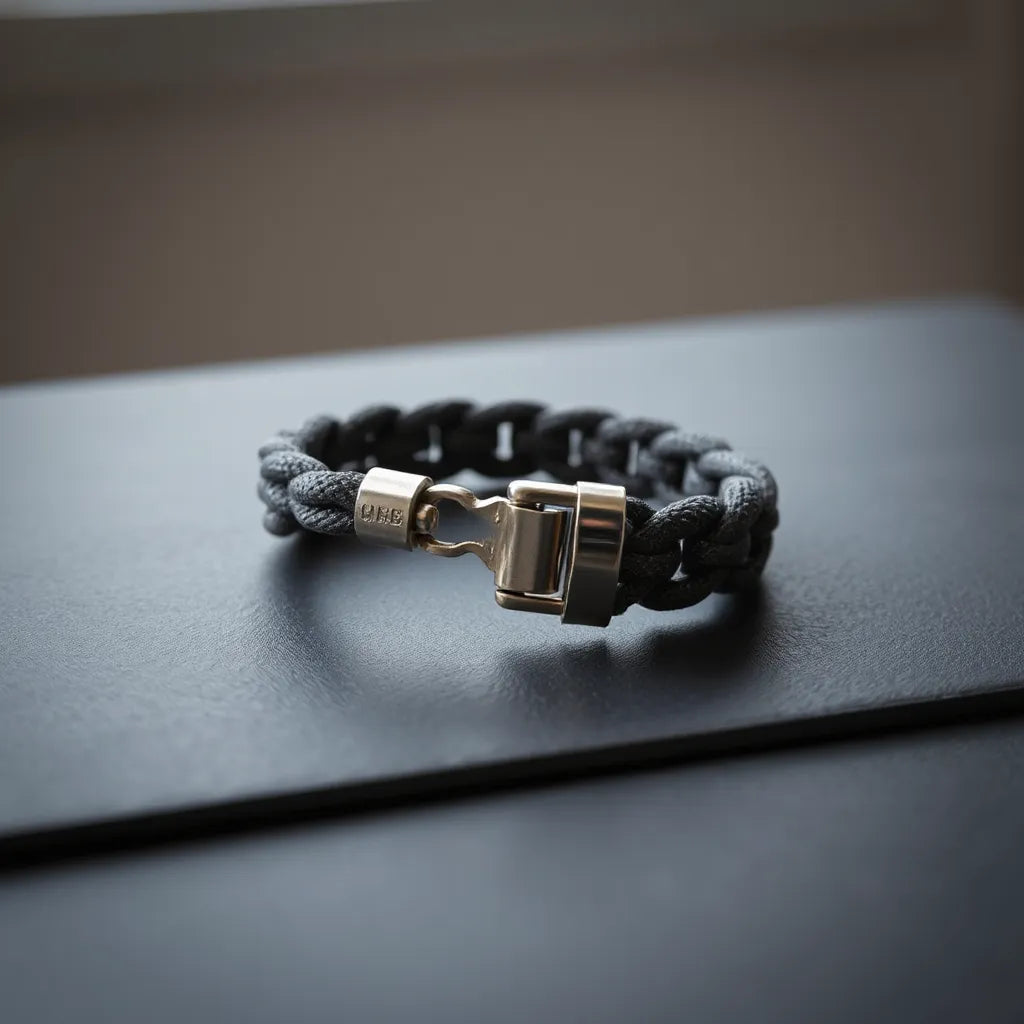
A heavy duty bracelet is designed to handle daily wear while keeping a refined look. It combines robust structure, dependable materials, and practical styling so it remains comfortable and durable. When you choose the right width, clasp, and finish, the bracelet can perform well for years. With proper care, even high-traffic jewelry keeps its shine and strength.
Pros & Cons of a Heavy Duty Bracelet
What Makes a Bracelet Truly Heavy Duty
Materials, Fit, and Comfort
Step-by-Step Practical Guide to Buying One
How to Match a Heavy Duty Bracelet
Care and Maintenance for Longevity
Wrap-Up
Q&A Section
Pros & Cons of a Heavy Duty Bracelet
A heavy duty bracelet is built for real life. It is meant to resist bending, snagging, and frequent wear. At the same time, it is important to select a version that fits your wrist and your style goals.
- Durability for daily use: Strong construction reduces the risk of stretching and distortion.
- Secure closure: Quality clasps help prevent accidental loss.
- Bold, intentional presence: The look tends to feel grounded and structured.
- Versatility: Many designs work with workwear, casual outfits, or formal layering.
- Potentially heavier feel: Higher density designs can feel substantial, especially on smaller wrists.
- Finish maintenance: Some finishes show micro-scratches sooner if worn during active tasks.
What Makes a Bracelet Truly Heavy Duty
The phrase “heavy duty” should reflect measurable build quality, not only appearance. The strongest bracelets usually share a few traits: consistent link engineering, reinforced points of stress, and materials chosen for wear resistance.
Start by evaluating how the bracelet is constructed. Link designs that distribute force evenly tend to hold shape better. A stable chain profile also reduces twisting, which can otherwise lead to uneven stress around the clasp.
Next, look at the clasp and attachment system. A durable bracelet should include a closure that locks firmly and opens smoothly without wobble. This matters because most damage in bracelets happens near the closure or hinge points.

Sturdy chain links and clasp pressure points concept
Finally, consider how the bracelet interacts with everyday friction. If you frequently wear a watch, type at a desk, or handle tools, the bracelet should maintain a stable drape. A proper drape helps the links move as a unit rather than catching on fabric.
Materials, Fit, and Comfort
Material selection is central to a heavy duty bracelet. Sterling silver offers a classic look and reliable structure when made with solid workmanship. If the design includes diamond-cut detailing, the texture can create light reflection without making the bracelet overly bulky.
Comfort is not only about weight. Fit controls how much the bracelet moves when you move your arm. Too loose and the bracelet rotates and knocks against clothing. Too tight and the bracelet limits circulation. A well-sized bracelet usually sits flat, with minimal flipping.
How to choose the right size
- Measure your wrist: Use a flexible tape and check when your wrist is at a neutral size.
- Plan for movement: A small amount of slack improves comfort during daily activities.
- Account for link profile: Wider or denser bracelets may feel tighter even at the same stated length.
Comfort checkpoints
- Link edges: Smooth edges reduce irritation during long wear.
- Clasp geometry: A well-designed clasp lies close to the wrist rather than pressing.
- Skin compatibility: Sterling silver is generally well tolerated, especially when kept clean.
Step-by-Step Practical Guide to Buying One
Buying a heavy duty bracelet is easier when you follow a checklist. The goal is to match durability features to your routine, not just to chase a heavier appearance.
Step 1: Define your daily use
Consider what the bracelet must handle. If your routine includes frequent hand movement or casual exposure to dust and sweat, prioritize secure closure and stable link construction. If you wear it mostly at events, prioritize finish quality and comfort for longer seated time.
Step 2: Verify the metal quality
For strength and consistent color, solid sterling silver is a strong baseline for long-term wear. If you want extra color warmth, consider designs offered in vermeil options. The key is choosing a product where the material is clearly specified and the finish is applied carefully.
Step 3: Select a width that matches your wrist
A heavy bracelet should feel balanced. Wider profiles often read more substantial. Narrower profiles can still be durable if the link engineering is strong. Choose based on how you want the bracelet to visually frame your wrist.
Step 4: Inspect the clasp and closure mechanism
Look for a closure that locks firmly and does not create gaps. A secure clasp is a practical advantage because it reduces the chance of accidental opening and helps keep the bracelet aligned.
Step 5: Evaluate craftsmanship signals
Diamond-cut texture or precise milling can enhance how the bracelet catches light. At the same time, craftsmanship should be visible in clean edges and consistent link alignment. These details often correlate with better durability because they reflect careful production standards.
Step 6: Confirm care compatibility
Some finishes demand more frequent cleaning to maintain a mirror-like shine. If you want low-effort maintenance, plan a routine that avoids buildup and includes gentle cleaning after heavy use.
Here is a practical example of a robust style you can consider:
925 Sterling Silver 2mm Diamond Cut Rope Bracelet

If you also like the look of rope-linked designs in a slightly different scale, you can compare related options here: diamond-cut rope designs.
How to Match a Heavy Duty Bracelet
A heavy duty bracelet should enhance the outfit, not compete with it. The most effective styling depends on the metal finish, link texture, and whether you layer jewelry.
Minimal pairing approach
For a clean look, pair a structured bracelet with a simple watch or one ring. Keep other accessories consistent in tone. Sterling silver pairs naturally with cool neutrals and crisp shirt fabrics.
Layering without clutter
If you layer, choose pieces with similar visual language. Rope textures can work well together because they share an engineered sparkle pattern. Avoid mixing multiple bold textures at the same time, especially if the bracelet already has a prominent surface.
Casual and workwear
A durable bracelet usually performs best in environments where movement is constant. For workwear, consider a streamlined profile with a secure clasp. This reduces snag risk and keeps the bracelet aligned with your wrist.
For additional inspiration on Italian-crafted rope jewelry, explore: Italian solid rope chain.
Care and Maintenance for Longevity
Care determines whether a heavy duty bracelet remains attractive over time. Sterling silver can develop a dull tone with exposure to air, sweat, and residue from skin products. The goal is to keep the bracelet clean without damaging the surface texture.
Routine cleaning steps
- Rinse after heavy wear: If the bracelet comes into contact with sweat or dust, rinse with lukewarm water.
- Use gentle cleaning: A soft cloth can remove light smudges and restores shine.
- Avoid abrasive tools: Scrubbing pads or rough brushes can reduce the crispness of cut details.
- Dry thoroughly: Pat dry with a clean microfiber cloth to prevent spotting.
Storage to reduce wear
Store the bracelet separately to prevent link-to-link scratches. A soft pouch or a lined jewelry box helps maintain the surface finish. Keep it away from humidity and harsh chemical exposure.
What to avoid
- Swimming or prolonged soaking in chlorinated water.
- Direct contact with lotions, oils, or perfumes without time to dry.
- High-impact collisions during manual work.

Gentle cleaning cloth, rinse water, and dry storage concept
With consistent care, your bracelet maintains a stable look and retains its intended texture. This is especially relevant for diamond-cut styles, where micro-scratches can soften the sparkle if cleaning is done too aggressively.
If you want a style that pairs seamlessly with rope-link jewelry, consider complementary chain and pendant options from the same brand ecosystem, such as: plain Italian horn pendant.
Wrap-Up
A heavy duty bracelet can be both practical and polished when you select the right construction, fit, and material. Focus on secure closures, stable link engineering, and comfort that matches how you move. A durable bracelet is not only about weight; it is about how the design handles everyday friction and stress.
Choose a size that sits comfortably, keep the finish clean with gentle routines, and store it properly. When you do, your bracelet remains an intentional accessory that supports your routine instead of becoming a problem.
Q&A Section
What makes a bracelet “heavy duty” compared to standard styles?
A heavy duty bracelet typically uses sturdier link engineering, more reliable closure components, and a design that distributes stress more evenly. It should resist bending and twisting during daily movement, while the clasp and attachment points should remain secure over time.
How do I know the bracelet will be comfortable for everyday wear?
Comfort depends on sizing, closure shape, and how the bracelet drapes on the wrist. Measure your wrist accurately, choose a length that allows comfortable movement, and look for smooth edges and a clasp that does not press against the skin.
Does diamond-cut detailing affect durability?
Diamond-cut detailing can improve visual sparkle and reflects light sharply. Durability is primarily driven by the underlying construction quality and material grade. Gentle cleaning is important because rough cleaning can dull crisp edges over time.
How should I care for sterling silver bracelets to keep them looking clean?
Rinse after exposure to sweat or residue, clean gently with a soft cloth, and dry thoroughly. Avoid abrasive tools and keep the bracelet stored in a soft pouch or lined box to reduce friction scratches.
What should I consider when gifting a heavy duty bracelet?
Prioritize fit, clasp security, and style compatibility. If possible, select a length that suits common wrist sizes, or choose a design with a secure closure that allows comfortable wear. Also consider the recipient’s routine, since active use benefits from more stable link profiles.
About the Author
Mike Luciano is an expert in handmade silver jewelry and product sourcing strategy, with a focus on build quality, material selection, and long-term wear performance. He emphasizes practical guidance so customers can choose pieces that match their daily routines. Mike Luciano welcomes thoughtful questions and appreciates every customer who values craftsmanship. He offers a friendly closing: Thank you for reading, and may your next jewelry choice feel confident and well made.
Disclaimer: This article provides general guidance on jewelry selection and care. Results vary based on wear patterns, storage habits, and individual environments. Always follow the care recommendations specific to your product and consult a qualified professional for concerns about fit, skin sensitivity, or damage.
Share:
Miami Cuban Chain Style Guide for a Fresh Everyday Look
Franco Chain Styling Ideas: Everyday Looks That Shine