
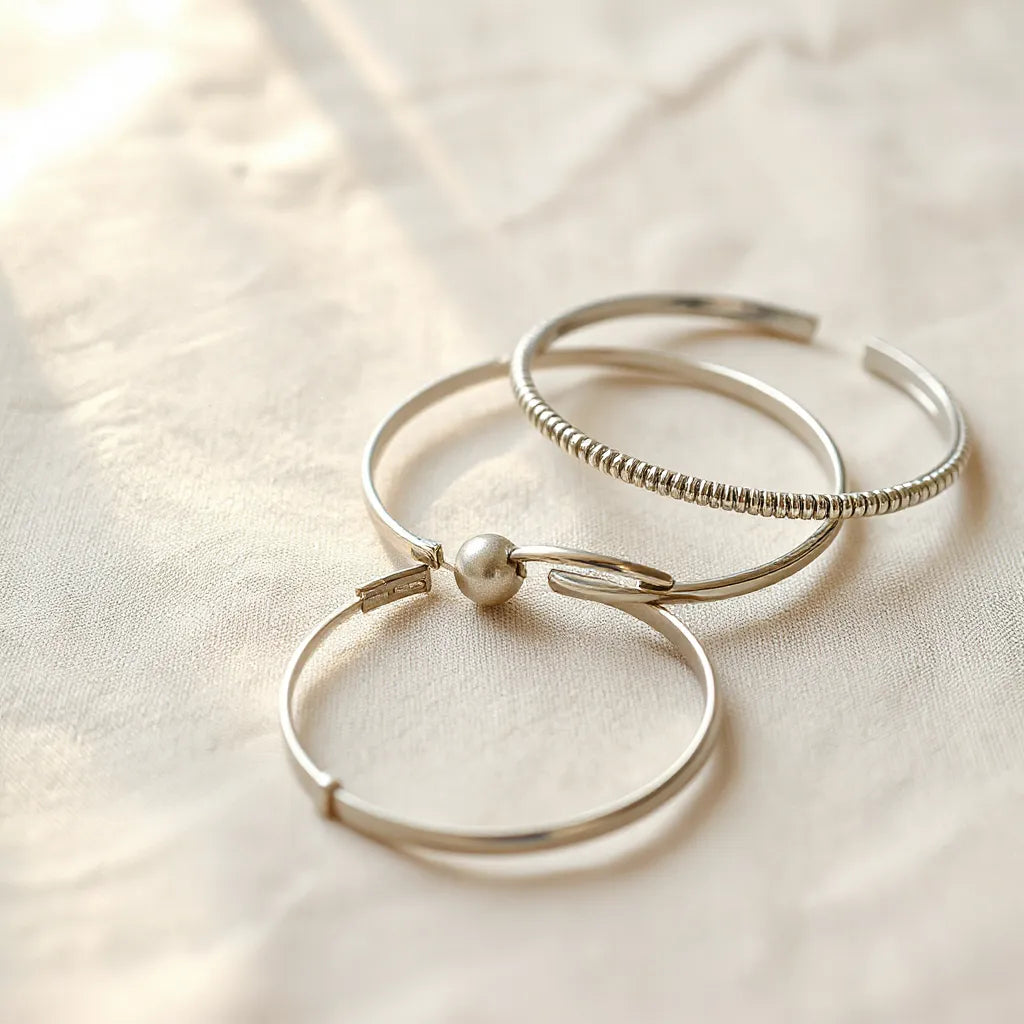
Updated on: 2026-07-09
Durable silver bracelets combine timeless style with dependable wear. When you select the right metal quality, clasp design, and finish, you reduce routine damage and keep the bracelet comfortable. Proper care also slows down tarnish and helps preserve the shine of your piece. This guide explains what to look for, how to choose confidently, and how to maintain long-lasting results.
Why Durable Silver Bracelets Matter
Durable silver bracelets are designed for daily life, not just display. A bracelet that survives repeated movement, handwashing, and seasonal changes is more satisfying to wear. Durability also reduces the risk of broken links, damaged clasps, and uneven wear that can make even attractive jewelry look tired.
In handmade silver jewelry, durability begins with careful construction. Consistent wire tension, secure soldering or stamping, and well-finished edges help the piece maintain its structure. For shoppers who want a reliable accessory, the goal is simple: choose a bracelet that keeps its form and surface, even when routines are demanding.
What Makes Silver Bracelets More Durable
Not all silver jewelry wears the same way. Durability depends on several factors that affect both the metal and the bracelet design.
1) Metal purity and alloy stability
High-purity silver can be beautiful, but lower-purity compositions often provide more strength. Sterling silver is a common standard because it balances luster with better everyday performance. When you evaluate a bracelet, consider the stated metal quality and whether the piece is intended for regular wear.
2) Construction quality
Durable bracelets use secure join points and consistent link shapes. Look for even spacing and clean transitions between components. Poorly aligned sections can create stress points where the metal bends or thins under repeated friction.
3) Clasp and closure design
A strong clasp matters as much as the chain. A secure closure prevents accidental openings and limits strain on the bracelet ends. It also reduces the chance of stretching the bracelet at the fastening point.
4) Surface finish and thickness
Polish, plating, and finishing can influence how quickly a piece shows scratches. A protective finish does not eliminate wear, but it can reduce the appearance of minor scuffs. Thickness also affects how the bracelet holds its shape over time.

Magnified clasp and link stress points
How to Choose Durable Silver Bracelets
Choosing durable silver bracelets is not only about appearance. You can make a reliable decision by checking construction, comfort, and intended use.
Step 1: Confirm metal details and intended finish
Review the product information carefully. If you see terms like sterling or verified silver standards, treat them as indicators of strength and consistency. For buyers considering layered or plated finishes, confirm whether the finish supports daily wear, especially if you have a routine that includes frequent handwashing or exposure to lotions.
Step 2: Check the link pattern for stress resistance
Bracelets with tightly formed links often resist deformation better than loose patterns. As you compare options, prioritize designs where each component looks uniformly shaped. Consistency usually reflects improved manufacturing control.
Step 3: Evaluate clasp security
Test the closure motion gently by opening and closing the clasp several times. A durable closure should feel stable and aligned. Avoid pieces where the clasp movement feels imprecise or where the fastening surface appears thin or irregular.
Step 4: Consider your wrist size and comfort
Comfort drives durability. If a bracelet is too tight, it stretches and creates friction against your skin. If it is too loose, it shifts and rubs at the same contact points. Use the listed measurements and select a fit that sits comfortably without constant tugging.
Step 5: Look for style that matches your routine
Handmade silver jewelry can be sleek and minimal, or expressive with detailed elements. For daily wear, choose a bracelet style that matches how you dress and move. For example, smooth chain surfaces often feel easier under sleeves than highly textured designs.
If you also want to build a set, you can coordinate chain textures for a cohesive look. Italiachains offers a range of silver chain styles made in Italy, with direct shipping to customers. You can explore complementary options such as a sterling rope chain for a layered aesthetic: diamond-cut rope chain.
Care Routine to Prevent Tarnish and Wear
Silver naturally tarnishes over time due to environmental exposure. The key is to slow the process without damaging the surface. A careful care routine supports the long-term appearance of durable silver bracelets.
Clean gently after high-exposure days
After swimming, heavy sweat, or extended sun exposure, clean the bracelet. Use a soft microfiber cloth and light pressure. For deeper cleaning, use mild soap and lukewarm water, then dry thoroughly with a clean cloth. Moisture left on the bracelet can worsen tarnish and encourage spotting.
Store it properly
Storage affects tarnish speed and scratch risk. Keep your bracelet dry and store it away from other metal items to minimize contact marks. Use a fabric pouch or a lined jewelry box. If you stack multiple pieces, prevent direct rubbing by separating them.
Wipe before it fully tarnishes
Early tarnish responds well to gentle wiping. The cloth removes surface compounds that dull the shine. This approach supports a smoother maintenance cycle and reduces the need for more aggressive cleaning.
Avoid damaging chemicals
Strong detergents, cleaning sprays, and certain hair products can accelerate discoloration. Put on your bracelet after applying creams and allow skin products to set first. When you manage everyday routines this way, the bracelet maintains a cleaner surface for longer.

Microfiber cloth wiping silver, then air-drying
Common Issues and How to Avoid Them
Many bracelet problems are predictable. When you recognize early signs, you can reduce repair needs and extend the usable life of your jewelry.
Issue 1: Uneven color or patchy tarnish
Patchiness often results from inconsistent contact with moisture, lotions, or oils. If you notice uneven dulling, adjust your wear routine and clean more consistently. Dry the bracelet fully before storage.
Issue 2: Scratches from stacked wear
Scratches happen when bracelets move against each other. Prevent this by storing pieces separately. When you layer jewelry, keep bracelets from rubbing by choosing designs with compatible sizes and allowing slight spacing.
Issue 3: Clasp stress
Repeated bending at a weak hinge can loosen the closure. Make opening and closing part of a careful routine. Avoid forcing the clasp when it does not align smoothly.
Issue 4: Link deformation
Deformation can occur when bracelets are worn too tight or pulled frequently. Select an accurate wrist fit and avoid yanking. If your bracelet ever feels restrictive, stop wearing it and reassess sizing.
For shoppers who want to pair bracelets with matching chain components, it helps to select styles with compatible link scales. You can also explore sterling rope chain options for a balanced look, such as Italian solid rope chain.
Visual Inspection Checklist for Quality
Even when a bracelet looks appealing, a quick visual check can reveal durability indicators. Use this checklist before regular wear.
- Confirm that the clasp aligns smoothly and closes securely without gaps.
- Inspect link uniformity. Each segment should appear evenly formed.
- Check the edges for smooth finishing where the metal meets the skin.
- Look for consistent shine across the surface, without irregular dull areas.
- Examine any connecting points or solder seams for clean transitions.
In handmade silver jewelry, small execution details often correlate with long-term performance. When finishing is careful, the bracelet typically wears more evenly because stress distributes across well-formed surfaces.
How to Fit and Layer Without Damage
Durability increases when fit and styling reduce friction. The right size should move with your wrist while maintaining gentle clearance. If the bracelet knocks against the same area repeatedly, wear can concentrate at specific links.
Measure for a comfortable, stable fit
Use wrist measurement methods included by the retailer and select a size that allows slight movement. If you prefer layering, consider a small fit adjustment so each piece sits independently.
Layer with compatible scale and finish
Choose bracelets that complement each other in scale. A chunky bracelet layered against a delicate one can rub at different rates. Matching metal finish and similar link style also improves visual cohesion and reduces abrasive contact.
Mind friction under sleeves and watches
Wrist areas experience constant friction from clothing and accessories. If you wear a watch, avoid placing a bracelet where it repeatedly collides. Over time, consistent contact can dull surfaces and weaken join points.
For shoppers who value coordinated Italian design and careful production, Italiachains makes all jewelry in Italy and ships directly to the customer. This model supports consistent quality expectations for handmade silver jewelry. If you want to expand your look with a refined chain foundation, consider a complementary option such as diamond-cut rope chain.
FAQ
How long do durable silver bracelets typically stay in good condition?
Durability varies by wear frequency, environment, and care habits. With gentle cleaning, dry storage, and careful clasp use, a sterling or well-constructed silver bracelet can maintain its structure and appearance for many years. Regular wiping after high-exposure activities can significantly slow tarnish and surface dulling.
Does plating change the long-term durability of a silver bracelet?
Plating can improve visual brightness and may reduce short-term tarnish appearance. However, durability still depends on construction, clasp security, and how you care for the piece. If the plating is worn down by friction, the underlying metal may still tarnish naturally, so consistent cleaning and careful storage remain important.
What is the safest routine for cleaning sterling silver at home?
Use a soft microfiber cloth for light maintenance. For a deeper clean, wash with mild soap and lukewarm water, then dry thoroughly. Avoid harsh chemicals and aggressive abrasives, because they can increase scratch visibility and accelerate surface changes. Store the bracelet only after it is completely dry.
How can I prevent a bracelet from stretching or breaking?
Select the correct bracelet size from the start and avoid forcing the clasp. Remove the bracelet during activities that involve heavy pulling, prolonged sweating, or frequent contact with hard surfaces. When layering, leave enough spacing so the bracelets do not rub continuously at the same links.
Closing Thoughts
Durable silver bracelets are an investment in everyday confidence. When you choose a bracelet with sound metal quality, secure closure design, and careful finishing, you reduce common failure points and preserve comfort. Pair that selection with consistent cleaning and dry storage, and you will slow tarnish and minimize visible wear. If you are ready to upgrade your jewelry routine, use the checklist above and choose a bracelet that matches your daily movement and style.
About the Author
Mike Luciano is a jewelry industry specialist focused on practical design choices for long-lasting silver accessories. He supports customers and retailers through guidance on construction quality, materials, and care methods that preserve shine. His work emphasizes reliable everyday wear for handmade silver jewelry and the value of purchasing from makers who prioritize production in Italy.
For a durable, confident fit, apply the steps in this guide and choose maintenance habits that match your routine. Thank you for reading, and take action by selecting the bracelet that best supports your daily lifestyle.
Share:
Heavy Silver Chains: How to Style for Everyday Impact
Layering Chain Ideas for Men and Women, Styled Right