
Updated on: 2026-07-03
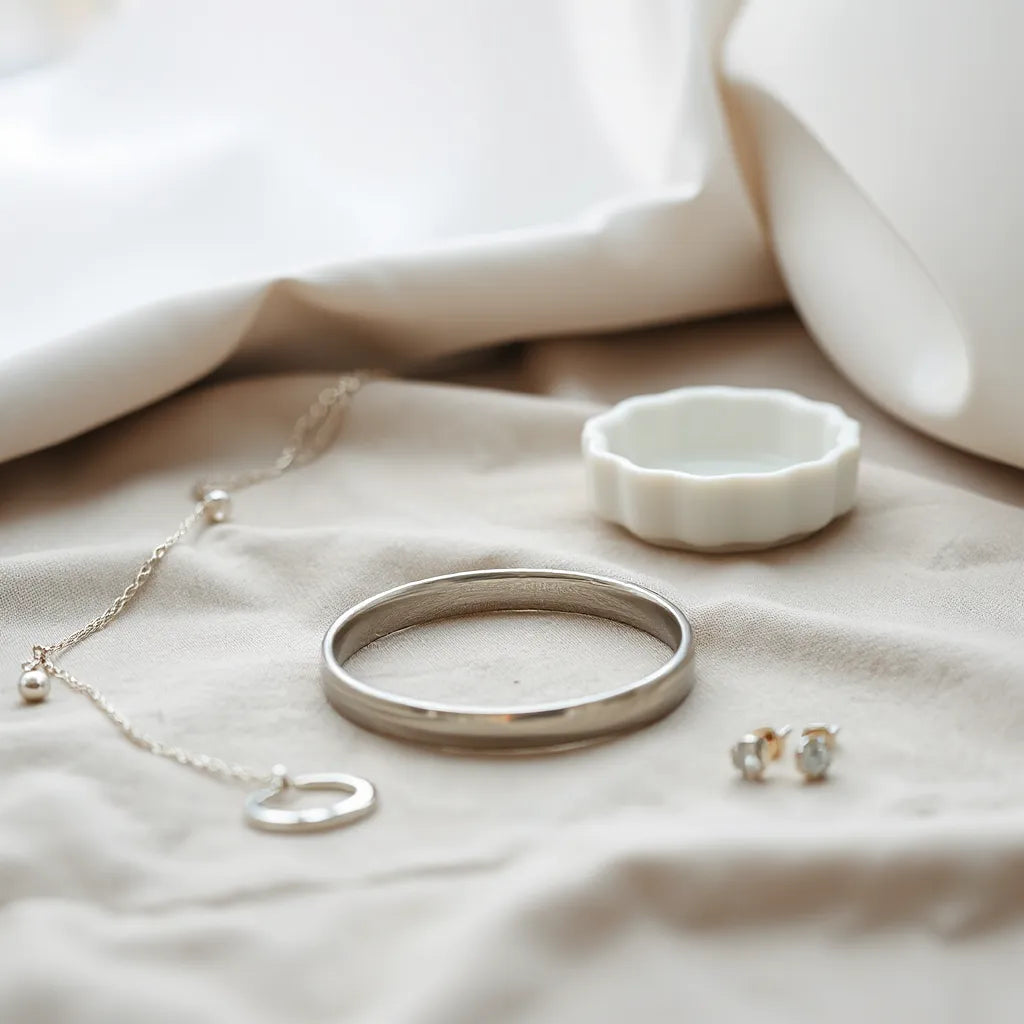
Elegant silver pieces can elevate everyday outfits while staying versatile across seasons. When you choose handmade craftsmanship, you gain a more consistent finish, better balance, and a design that reflects deliberate workmanship. Sterling silver also supports a practical ownership routine, including simple care habits that help reduce tarnish. This guide explains common misconceptions, offers a clear selection approach, and shows how to protect shine without overcomplicating your routine.
- 1. Myths vs. Facts
- 2. Step-by-Step Guide
- 3. The Craft That Makes Silver Look Refined
- 4. Care and Maintenance for Lasting Luster
- 5. Styling Silver for Real-World Wear
- 6. Frequently Asked Questions
- 7. Summary & Key Takeaways
- 8. Q&A Section
- 9. About the Author
Myths vs. Facts
-
Myth: Sterling silver always turns dark quickly.
Fact: Tarnish depends on exposure to moisture, skin chemistry, and friction. With routine cleaning and correct storage, silver can remain bright for long periods. -
Myth: Polished silver looks good only at first wear.
Fact: Good design and finishing methods help maintain visual clarity. Proper care reduces buildup that dulls the surface. -
Myth: Handmade jewelry is fragile and needs constant handling.
Fact: Handmade does not mean delicate by default. Quality construction, secure links, and well-finished edges improve daily durability. -
Myth: All silver styles are interchangeable.
Fact: Chain structure, clasp type, and pendant proportions change how a piece sits on the body. Small differences can create a meaningful change in comfort and appearance.
Step-by-Step Guide
-
Set your intent: Decide whether you want a wearable everyday accent or a statement for special occasions. The right weight and profile come from this choice.
-
Choose the right metal grade: Look for sterling silver specifications and verify the design is built around that metal. This affects color, texture, and care needs.
-
Evaluate chain geometry: Check how the links move and whether the drape falls smoothly. A well-structured chain improves comfort and prevents twisting.
-
Confirm clasp security: A dependable clasp supports safe daily wear. For longer chains, ensure the adjustment range supports your clothing layers.
-
Inspect surface finishing: Look for even polishing and clean edges around joins and settings. Consistent finishing signals better workmanship.
-
Plan care before purchase: Decide how you will clean and store the piece. A simple routine usually performs better than irregular deep cleaning.
-
Pair for harmony: Match scale to your neckline and choose complementary textures. Smooth chains often balance detailed pendants, and vice versa.
The Craft That Makes Silver Look Refined
Elegant silver pieces are not only about shine. They are also about structure, alignment, and the way the design behaves when it moves. Handmade jewelry typically receives more attention at the stage where small parts are assembled and finished. That means fewer visual distractions, tighter tolerances, and a more deliberate look when the piece rests on the body.
At Italiabchains, all jewelry is made in Italy and shipped directly to the customer. This approach supports consistent production standards and a clear focus on wearable design. Instead of treating silver as a generic material, the craftsmanship considers how each element will reflect light, how links will flex, and how a clasp will hold its position.

Geometric light reflections on metal textures
To select pieces with a refined appearance, pay attention to three signals. First, look for natural flow in the chain movement; stiff or poorly aligned links tend to twist. Second, assess joining points and edge finishing; clean transitions help the piece look intentional. Third, evaluate the overall proportion; when a pendant or accent is balanced against the chain length, the visual line stays smooth.
If you want a polished look that drapes cleanly, consider a rope chain design. Rope styles offer a classic texture and a strong visual rhythm, especially when the link surface is finished to catch light evenly. You can explore examples such as a sterling silver rope chain at Italian solid 925 rope chain, or compare with a diamond-cut variation like 3mm diamond-cut rope necklace for added sparkle.
Care and Maintenance for Lasting Luster
Even the most carefully made jewelry benefits from smart maintenance. Tarnish is a normal chemical reaction that occurs when silver is exposed to air and moisture. The goal is not to eliminate tarnish entirely, but to slow it down and keep the surface clean enough to reflect light.
Start with a simple rule: remove silver before activities that introduce sweat, lotion, or friction. These substances can accelerate dulling and encourage darkening. After wearing, gently wipe the piece with a soft, dry cloth. This action removes skin oils and reduces residue buildup, which helps maintain brightness.
When your jewelry needs deeper cleaning, use methods that match sterling silver care standards. Many customers prefer a gentle cleaning solution and a soft polishing cloth, but the key is to avoid abrasive materials that can create micro-scratches. Micro-scratches reduce the crispness of reflections and may make tarnish appear faster.
Storage matters as much as cleaning. Keep each piece separated to reduce contact marks from other jewelry. A dry pouch or jewelry box with breathable lining can help limit exposure to humidity. If you store pieces in a humid environment, periodic checks can prevent long-term darkening.
Do not use the same cleaning approach for every surface detail. If a piece includes textured segments or fine edges, treat it carefully and avoid aggressive brushing. For chains, focus on the exterior surfaces and ensure that clasps and links remain free of residue so they move smoothly.

Soft cloth wiping highlights on silver surface
Styling Silver for Real-World Wear
Silver is easy to style because it adapts to many color temperatures. Warm skin tones often pair well with bright, mirror-like finishes, while cooler palettes benefit from structured textures that create depth. The most reliable styling decisions are based on scale and contrast rather than trends.
For everyday outfits, select a chain length that matches your collarbone area. A shorter rope chain typically creates a clean line under crew neck tops, while longer lengths can flatter V-necks and layering looks. If you add a pendant, ensure the pendant hangs centrally and does not rotate to the side. A balanced center-of-weight creates a stable silhouette.
Elegant silver pieces work well with both minimal and detailed wardrobes. If your outfit includes strong visual elements, choose a simpler silver profile with a smooth finish to avoid competing textures. If your outfit is plain, a textured or diamond-cut chain can add interest without overwhelming the look.
Pairing silver with other metals should be intentional. For example, if you wear gold accents, keep the silver finish consistent with the warmth of your other jewelry. Subtle contrast often looks more sophisticated than a dramatic mismatch.
For those who want a cohesive stack, consider how different chain textures behave together. A rope chain can serve as the anchor piece because its braided-like structure provides visual rhythm. To build a set, keep pendant weight moderate so the stack remains comfortable and does not pull on the neckline.
If you are exploring options in the same design family, you may compare chain textures and widths at 1.5mm diamond-cut rope chain or 4mm diamond-cut rope necklace. These choices can help you tune sparkle levels while staying within a consistent style direction.
Frequently Asked Questions
Will elegant silver pieces tarnish if I wear them daily?
Daily wear can lead to tarnish depending on moisture, sweat, and personal skin chemistry. Routine wiping after wearing and proper storage significantly reduce visible darkening.
How do I choose the best chain length for my neckline?
Match chain length to the top you wear most often. Collarbone-length styles typically suit crew necks and light layers, while longer lengths flatter V-necks and layering combinations.
Can I clean sterling silver at home without damaging the finish?
Yes, but use gentle methods. Avoid abrasive tools and harsh scrubbing. If your piece has detailed texture, treat those areas with extra care and follow sterling silver cleaning guidance.
Summary & Key Takeaways
Elegant silver pieces deliver a refined look when the design is balanced, the finishing is consistent, and daily care is realistic. Start with a clear purpose, select a chain that drapes smoothly, and confirm clasp security for dependable comfort. With simple maintenance habits, sterling silver can stay bright and presentable for everyday use. If you want craftsmanship made in Italy with direct shipping, consider exploring collections from Italiabchains and choose a style that fits your routine.
Q&A Section
What signs indicate strong workmanship in handmade silver jewelry?
Look for even finishing, clean edges at joins, and a chain that flexes without twisting. Secure clasps and consistent alignment also suggest higher quality assembly and better wear performance.
How can I reduce tarnish without over-cleaning?
Wipe the piece after each wear and store it in a dry, separated space. These steps limit residue buildup and humidity exposure. Clean more deeply only when you notice visible dulling rather than on a fixed schedule.
Are rope chains a good choice for versatile styling?
Rope chains are versatile because their texture creates depth while remaining compatible with minimal outfits and more detailed pendants. Their movement tends to sit neatly on the neckline, which supports comfortable, repeat wear.
About the Author
Mike Luciano is a jewelry content specialist focused on craftsmanship, materials, and consumer guidance for sterling and silver-tone accessories. With a background in quality assessment and product storytelling, he emphasizes practical selection criteria that help customers choose pieces they will enjoy for years. He welcomes thoughtful questions and encourages careful care habits to preserve shine. Thank you for reading.
Disclaimer: This article is for general informational purposes and does not replace professional advice. Results depend on individual wear conditions, storage habits, and cleaning routines.
Share:
Gold Vermeil Bracelet Care Tips for Lasting Shine
Trendy Moissanite Jewelry: Styling Tips for Everyday Looks