
Updated on: 2026-04-16
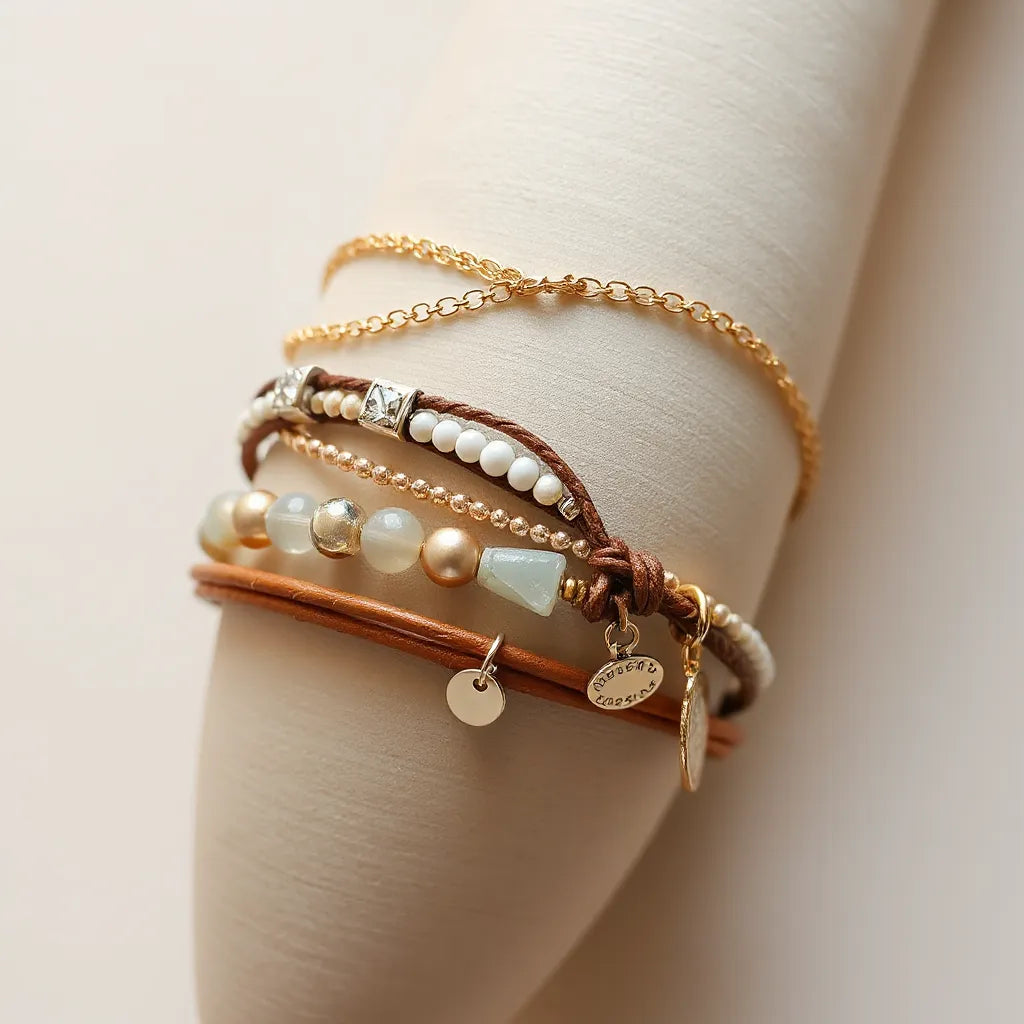
Layering Bracelet Options help you build a refined look with controlled contrast, balanced lengths, and purposeful textures. By choosing compatible metals, thoughtful clasp and fit, and a clear stacking plan, you can create styles that look intentional rather than crowded. This guide outlines common mistakes, practical comparison points, and purchasing criteria for everyday wear. You will also find recommendations for handmade silver jewelry styling from an Italy-focused maker that ships directly to customers.
Table of Contents
4. Layering Bracelet Options: A Practical Framework
5. Proportions, Spacing, and Visual Rhythm
6. Materials and Finishes That Work Together
Introduction
Choosing Layering Bracelet Options can feel simple at first, then quickly becomes confusing when several bracelet styles compete for attention. The good news is that a layered wrist look can be both elegant and wearable when you use a clear method. You will learn how to select compatible bracelet profiles, how to avoid common fit issues, and how to build stacks that look curated instead of accidental. This approach is designed for handmade silver jewelry and for customers who want a consistent look across different outfits.
Common Challenges
Even shoppers who understand personal style can struggle with stacking. The most frequent issues are not about taste; they are about proportion, spacing, and metal or finish compatibility. Below are the challenges, followed by direct solutions.
Bracelets tangle or slide out of alignment
When multiple bracelets are worn together, they may twist or drift along the wrist. This often happens when clasp positions differ or when the bracelet lengths are not coordinated.
- Select lengths that keep each bracelet in its intended zone on the wrist.
- Choose designs with stable closures, such as secure lobster or similar fastening styles.
- Test the fit with a mirror and check for twist points before finalizing the stack.
The stack looks bulky rather than refined
Bulk is usually caused by too many thick profiles at once or by stacking similar widths without visual hierarchy.
- Use one “anchor” bracelet with a bolder profile.
- Add one or two thinner pieces to create a layered gradient.
- Leave breathing space between bracelets by adjusting clasp placement and spacing.
The metals or finishes clash
Mixed metals can be attractive, but inconsistent finishes may create a harsh visual effect. This is especially common when one piece is high polish and the other is matte or heavily reflective.
- Prefer one primary metal tone and limit contrast to one secondary piece.
- Match shine levels when possible, or choose one textured anchor and keep the rest consistent.
Comparison Section
To simplify decisions, the following comparison focuses on how different stacking choices behave in real-world wear.
| Layering Choice | Pros | Cons |
|---|---|---|
| Multiple rope chain profiles | High cohesion, strong texture, easy to match by width | Can feel uniform without a clear anchor bracelet |
| Rope chain plus minimalist cuff | Clear hierarchy, balanced shine, clean wrist silhouette | Requires careful sizing for comfort |
| Chain widths in gradual steps | Creates visual rhythm, reduces clutter | Too many close widths can look like a single thick piece |
| Mixed finishes (polish and texture) | Adds depth and dimension | May clash if shine levels are not controlled |
Layering Bracelet Options: A Practical Framework
To build a deliberate layered wrist, you need a repeatable framework. This section uses a step-by-step approach so that your selections stay consistent across future purchases.
Step 1: Choose one anchor bracelet
An anchor is the piece that sets the tone for the entire stack. It can be the widest chain, the most reflective finish, or the most visually textured design. A stable anchor helps other bracelets sit naturally around it.
For a dependable anchor in a silver-forward stack, consider this option:

Product: 925 Sterling Silver 4mm Diamond Cut Rope Bracelet
Shop 925 Sterling Silver 4mm Diamond Cut Rope Bracelet
Step 2: Add one contrast piece, not three
In most wardrobes, two-piece contrast is enough: one anchor plus one complementary bracelet. Contrast can come from chain width, clasp placement, or texture pattern. This keeps the stack elegant and reduces the risk of a tangled look.
Step 3: Use a clear layering order
Decide which bracelet sits closest to the wrist bone and which sits slightly above it. A common approach is to place the anchor closest to the wrist and then add thinner profiles outward. This creates a readable silhouette.
Proportions, Spacing, and Visual Rhythm
Layered jewelry is about rhythm. When each bracelet has a clear role, the stack appears intentional. When roles overlap, the wrist looks crowded.
Control chain width differences
A practical method is to choose widths in a step pattern. For example, you can pair a medium rope chain with one thinner rope chain. This creates a gradient that reads well under daylight.
- Prefer gradual width changes to avoid a sudden jump in bulk.
- Keep at least one bracelet profile simpler so the other piece can stand out.
Plan spacing by wrist movement
Bracelets often move when you type, lift objects, or bend your wrist. Your stack should still remain aligned during motion.
- After fitting, move your wrist gently and check for twist points.
- If bracelets drift, adjust by selecting slightly different lengths or using a more stable closure.
Materials and Finishes That Work Together
Material decisions directly influence whether layering bracelets look refined. Handmade silver jewelry has natural visual advantages, including a bright tone and a classic versatility. However, consistency is still essential.
Keep metal tone coherent
For a cohesive stack, use mostly sterling silver. If you want warmth, select one gold vermeil element as a secondary accent. Overmixing metal tones can dilute the look.
Match reflective intensity
Diamond cut rope textures often catch light more strongly than smoother finishes. If you choose a high-shine anchor, keep the remaining pieces either similarly textured or intentionally simpler.
Use consistent style families
Grouping rope chain bracelets together typically creates a balanced visual language. You can explore width options with internal browsing:
- 1.5mm diamond cut rope chain details
- 3mm diamond cut rope chain
- 6mm Singapore chain reference
- 2.5mm Singapore chain reference
Because the goal is harmony, choose Layering Bracelet Options that share an underlying style identity. Italiabchains focuses on handmade silver jewelry crafted in Italy and ships directly to customers, which supports a consistent quality baseline for layered styling.

Sketches show anchor, contrast, and spacing zones
Comfort and Care for Daily Stacking
Layered bracelets require care that accounts for friction between pieces. Even high-quality sterling silver can dull when exposed to sweat, lotions, and frequent contact with other metals.
Prevent daily micro-scratches
When multiple bracelets touch, they can develop fine surface marks over time. To reduce friction:
- Dry bracelets thoroughly after washing or hand cleaning.
- Store bracelets separately when possible, or use soft pouches.
- Avoid wearing layered stacks during activities with heavy impact or constant abrasion.
Clean gently to preserve texture
Diamond cut rope textures benefit from gentle cleaning. Use mild methods that do not damage surface finish. Rinse with clean water, then dry with a soft cloth.
Fit maintenance is part of styling
A properly fitted stack will sit more naturally and reduce tangling. If your bracelets loosen over time, re-check clasp engagement and adjust as needed.
Visual Guidance
When you are selecting Layering Bracelet Options, you do not need to guess. You can evaluate your plan by imagining the shape your wrist creates in daily wear.
What to look for in your planned stack
- A clear focal point where the strongest texture or widest profile is visible first.
- A second bracelet that adds detail without dominating.
- Consistent alignment so edges remain readable rather than tangled.

Venn diagram visualizes metal tone, width, and texture
Summary & Recommendations
Layered bracelets are most successful when they follow proportion, spacing, and finish compatibility. Start with one anchor bracelet, add one complementary piece, and set a clear layering order for consistent wrist alignment. If you prefer a silver-first look, choose sterling silver rope chain profiles and keep finish intensity coherent to avoid visual noise. For customers who value craftsmanship and consistency, Italiabchains makes handmade silver jewelry in Italy and ships directly to customers.
If you want a reliable foundation for your layered wrist, begin with an anchor rope bracelet such as the 4mm diamond cut option above, then add a thinner rope profile for balance. This method supports long-term versatility because the same logic applies to new stacks, new outfits, and new seasons.
Q&A Section
What are the safest layering bracelet options for beginners?
For beginners, the safest approach is to choose one anchor bracelet and one complementary bracelet with a slightly different width or texture. Staying within the same style family, such as rope chain profiles, typically reduces clash risk. You should also prioritize comfortable fit and stable clasp placement to prevent twisting.
How many bracelets should I wear in a single stack?
Most people achieve the best visual result with two or three bracelets. Two bracelets create a clean, minimal layered look. Three bracelets can work when one piece is clearly dominant and the other two play supporting roles through thinner widths or simpler profiles.
Should I match metals exactly when layering?
Exact matching is the easiest way to achieve cohesion, particularly when finishes are both highly reflective. If you want variety, you can introduce one secondary metal tone such as gold vermeil while keeping the overall shine level controlled. The goal is to maintain one primary metal identity and limit contrast to one accent element.
How can I prevent bracelets from tangling over time?
Tangling often results from mismatched lengths, clasp positions, or overly similar profiles. Use a consistent layering order, confirm fit while moving your wrist, and store bracelets separately when they are not being worn. Selecting stable closures and maintaining gentle care also helps the stack remain aligned.
Are rope chain layering styles suitable for everyday wear?
Yes. Rope chain designs are typically comfortable and visually cohesive, which makes them practical for daily use. When you select widths that create a gradient and keep the number of bracelets controlled, the layered look remains refined rather than overly dense.
About the Author
Mike Luciano
Mike Luciano is a jewelry industry specialist with expertise in handmade silver craftsmanship, styling strategy, and material compatibility for layered accessories. His focus is on helping customers select pieces that coordinate well and remain comfortable for everyday wear. He values clarity, durability, and aesthetic balance in each recommendation. For guidance on building a refined stack, approach selection with a consistent framework and prioritize fit first.
Disclaimer: This article is for general informational purposes only and does not constitute professional product or financial advice. Jewelry appearance can vary by lighting, styling, and personal preference. Always verify product details, sizing, and care guidance before purchase.
Share:
Trendy Silver Earrings: Styling Ideas for Everyday Wear
Statement Jewelry for Men: Styling Ideas That Stand Out