
Updated on: 2026-08-05
Men's bracelet designs are defined as much by proportion and finish as by materials. A well-chosen bracelet balances comfort, skin contact, and visual rhythm with the rest of the outfit. This guide explains common errors that reduce wearability and style impact. It also provides a structured way to compare design options, from chain patterns to clasp choices. You will finish with practical selection tips and answers to frequent buyer questions.
Common Mistakes to Avoid
Choosing the right bracelet is not only about appearance. Many buyers start with the visual style and then overlook fit, finish, and daily comfort. That is where design decisions can either elevate the look or create unnecessary friction over time.
- Ignoring wrist size and movement. A bracelet that feels tight while standing may restrict movement when your wrist bends. The result is early discomfort and a weaker long-term wearing habit.
- Overlooking clasp reliability. A secure clasp is essential, especially for chain styles. If the clasp alignment is weak or difficult to close, the design will feel impractical even when it looks excellent.
- Choosing finishes that do not match skin tone. Bright polished metal can contrast strongly with certain complexions. Matte finishes can look more restrained. Selecting a finish that harmonizes with your overall style reduces the need for frequent swapping.
- Mixing competing textures without a plan. Pairing highly reflective chains with equally busy accessories can create visual noise. A simpler bracelet design often works better with a watch, rings, or other bracelets.
- Buying by trend alone. Trend-driven designs may be attractive in photos, but daily wear requires durability and a timeless silhouette. Focus on proportion, material behavior, and ease of care.
Pros & Cons Analysis
Men's bracelet designs vary widely. The best choice depends on your priorities: texture, level of shine, fastening method, and how the bracelet layers with other accessories. Below is a practical comparison across common design directions.
Chain construction and visual pattern
- Pros: Chain-based designs create consistent movement on the wrist. Many patterns also photograph well and complement both casual and formal outfits.
- Cons: Some intricate weaves can snag on cuffs if the edges are not well-finished.
Metal type and finish
- Pros: Sterling silver and vermeil finishes offer distinct visual character. Sterling silver provides a classic, crisp look, while gold vermeil can add warmth without changing the core structure of a chain.
- Cons: Finish differences affect maintenance. Polished surfaces may show micro-scratches sooner than satin textures.
Thickness and proportion
- Pros: A properly sized width improves balance. Thicker designs often read as confident and substantial, while slimmer styles look refined and minimal.
- Cons: Oversized thickness can feel heavy. Undersized bracelets may disappear against larger wrists or bold watch faces.
Clasp style and daily usability
- Pros: A well-engineered clasp improves security and reduces time spent adjusting the fit.
- Cons: Certain clasp mechanisms are less convenient for quick on-and-off routines.

Wrist fit gauge, chain texture grid, clasp types
Visual proportion and comfort are easier to judge when you think in three categories: fit range, surface behavior, and fastening. If the design feels stable when you lift your hand, it will typically stay comfortable throughout the day. If the surface catches light in a controlled way, it will look intentional rather than accidental.
Quick Tips
Use these actionable steps to select a bracelet that remains flattering through seasons and wardrobe changes. The goal is to choose a design that looks composed, stays comfortable, and matches your lifestyle habits.
1) Measure for a comfortable fit
Measure around your wrist and allow a small gap for movement. Many people wear bracelets slightly loose at first and then prefer a tighter feel after they understand how the clasp sits. If the bracelet shifts too much, it can twist and create uneven light reflection.
2) Choose a texture that aligns with your daily accessories
If you wear a watch with a textured strap or a dial with strong contrast, a bracelet with clean line structure often balances better. If your outfit is plain, a more expressive chain pattern can serve as the focal point.
3) Decide how much shine you want
High shine draws attention. Controlled shine supports a polished look without overpowering your sleeve or watch. This decision is especially important in professional settings where excessive reflectivity can feel distracting.
4) Prioritize craftsmanship for long-term wear
Hand-finished details influence both comfort and longevity. When a bracelet is made with consistent links and smooth edges, it reduces abrasion and helps the bracelet lie flat against the skin.
5) Match metal tone across your stack
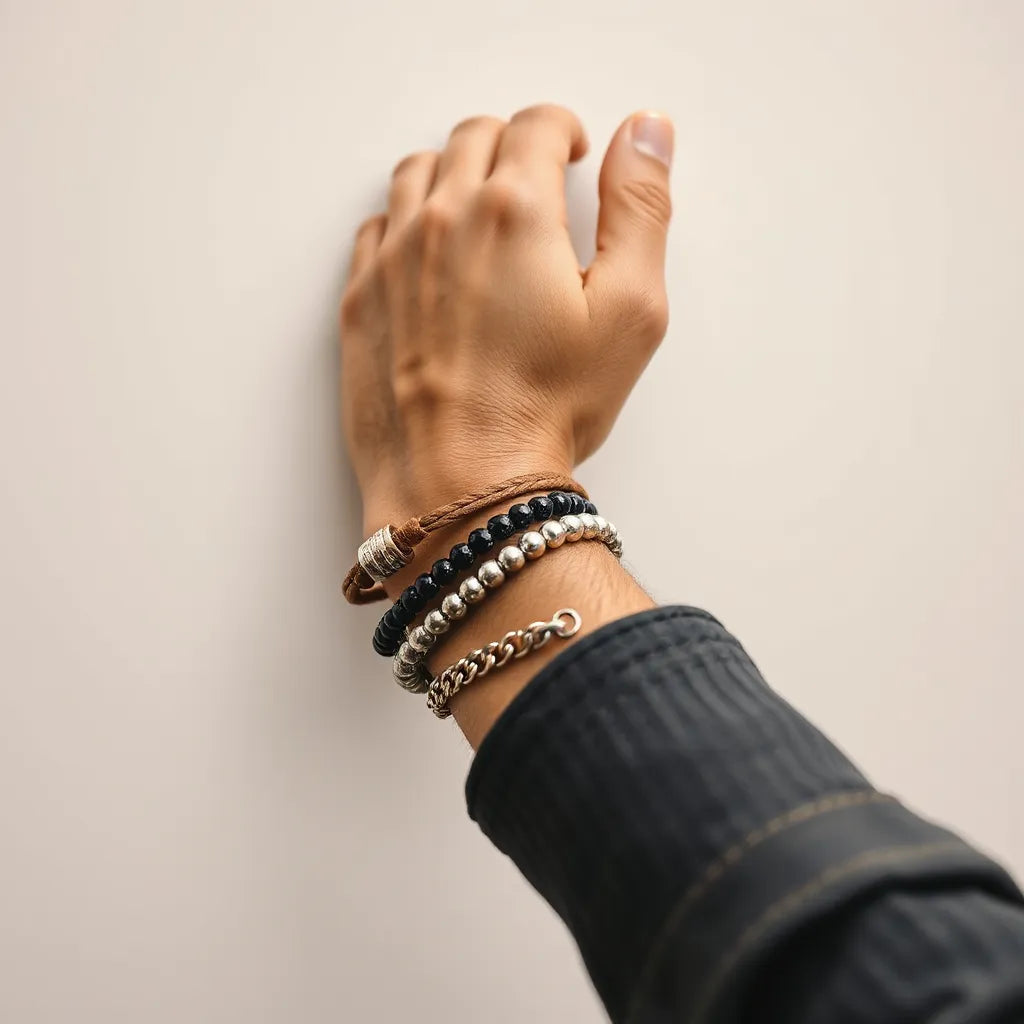
For coherent styling, align bracelet metal tone with other jewelry. If you use silver-tone pieces, sterling silver designs often integrate seamlessly. If you prefer warmer highlights, gold vermeil finishes can create a unified look. For a clean approach, avoid mixing multiple warm and cool tones unless the overall outfit is intentionally structured.
6) Consider how sleeves interact with the bracelet
Many everyday issues come from cuff friction. Select a design with smooth link transitions, and choose a length that does not constantly press against your sleeve. This small adjustment can significantly improve day-to-day comfort.
If you are exploring chain-based styles, you can compare textures and thicknesses in a single browsing session. For example, sterling silver rope chain options and diamond-cut rope patterns can provide different levels of visual energy while keeping the silhouette stable. You can start with a rope chain for a clean profile or move toward a diamond-cut finish for more sparkle.
- Diamond-cut rope detail for a refined sparkle effect.
- Singapore chain texture for a distinct, structured surface.
- Balanced rope thickness for everyday versatility.

Outfit pairing map: watch, cuff gap, light intensity
Finally, test the bracelet concept in context. Lay it against your wrist with your watch and check how the clasp sits when your sleeve moves. This is where many buyers discover whether the design is truly wearable or simply attractive in a static view. When the bracelet supports your movement without constant correction, it becomes part of your daily routine.
Wrap-Up & Key Insights
Men's bracelet designs reward thoughtful selection. When you focus on fit, clasp functionality, surface finish, and proportion, you reduce the risk of buying a bracelet that looks good only for a moment. You also gain a piece that complements watches, rings, and everyday outfits without visual clutter.
If you want a practical path forward, compare chain textures, decide on your preferred shine level, and ensure the clasp feels secure during normal wrist movement. Italiabchains makes jewelry in Italy and ships directly to customers, supporting a craftsmanship-first approach to silver pieces. Choose a design you will wear consistently, not only occasionally.
Explore men’s chain jewelry options and select a bracelet design that matches your style priorities.
Q&A Section
How do I choose the right bracelet size for a comfortable fit?
Start with a wrist measurement and allow a small gap for natural movement. If the bracelet feels restrictive when your hand bends, it will likely feel uncomfortable later in the day. It should sit securely without requiring constant adjustment.
What is the difference between sterling silver and gold vermeil for bracelets?
Sterling silver offers a cool, classic tone and a crisp look. Gold vermeil combines a gold appearance with a silver base, which can add warmth while keeping the bracelet structure similar. Your best option depends on the metal tones you already wear and the level of shine you prefer.
Are chain-based men's bracelet designs suitable for formal and casual outfits?
Yes. Many chain silhouettes remain versatile because they provide controlled movement and a consistent visual rhythm. For formal wear, select a balanced thickness and a finish that does not overpower the rest of your accessories. For casual wear, you can choose a more expressive texture if your outfit is relatively simple.
What maintenance steps help keep a silver bracelet looking its best?
Wipe the bracelet gently after use to remove oils and residue. Store it away from abrasive surfaces to reduce micro-scratches. Clean it with an appropriate jewelry-safe method, following care guidance relevant to your bracelet’s metal and finish.
How can I prevent bracelets from snagging on cuffs?
Choose designs with smooth link transitions and edges that do not catch fabric. Also confirm the bracelet length relative to your sleeve and watch position. If the bracelet repeatedly contacts the cuff, a slightly adjusted fit or a less bulky texture often improves the result.
About the Author
Mike Luciano is an expert in jewelry selection and styling, with a focus on craftsmanship, metal finishes, and everyday wearability. He helps customers choose pieces that align with both comfort and visual balance. His practical approach emphasizes quality details and long-term satisfaction. Thank you for reading, and best of luck in selecting a bracelet you will enjoy wearing.
Disclaimer: This article is for general informational purposes and does not provide professional advice for individual circumstances. Product availability, metal finishes, and care instructions may vary by item. Always review the specific product details and care guidance provided at purchase.
Share:
Affordable Silver Jewelry: Smart Style Tips That Last
Cuban Link Chains: Style, Fit, and Everyday Wear Guide