
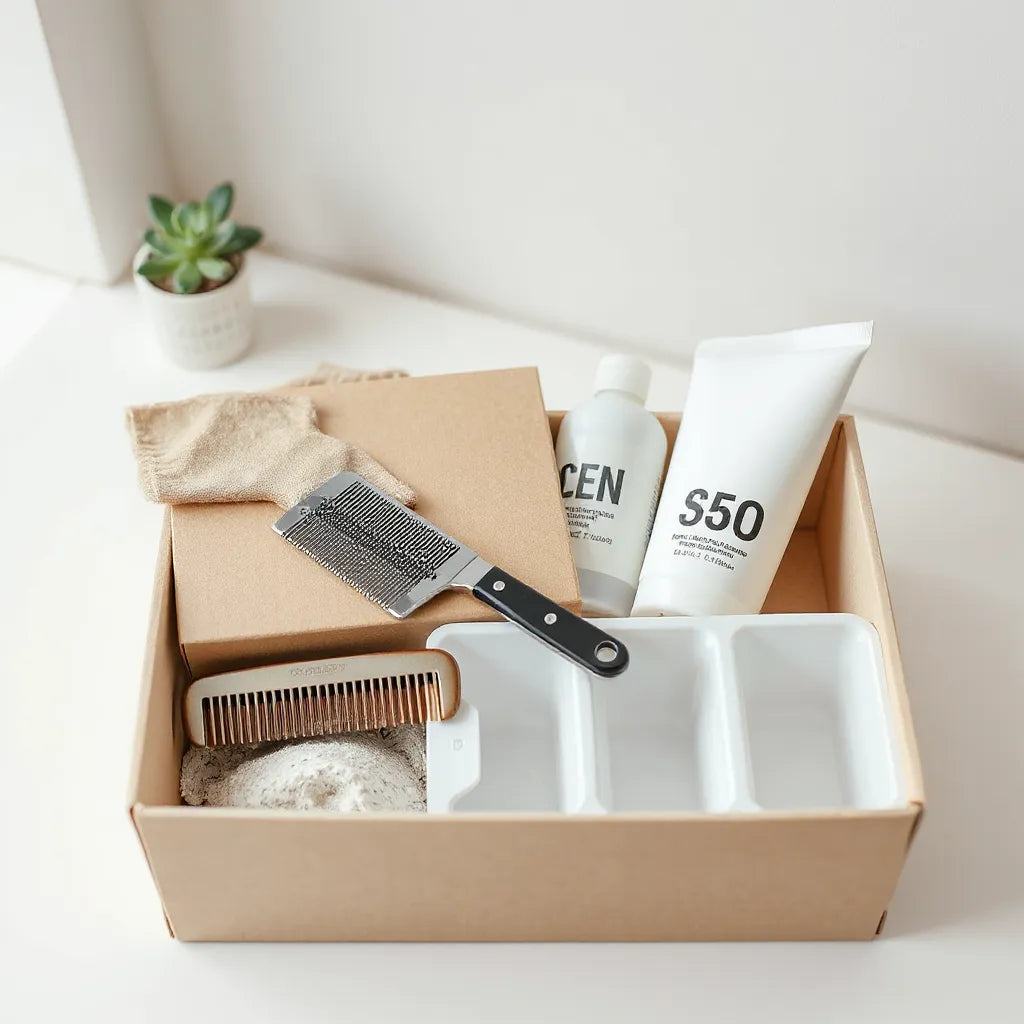
Updated on: July 28, 2026
Pet care is part of daily life, and grooming should not create unnecessary waste. Recyclable pet grooming products help reduce landfill volume while supporting responsible material choices. When packaging and accessories are designed for end-of-life recovery, owners can lower their environmental footprint without sacrificing performance. This guide explains practical ways to select, use, and dispose of eco-friendlier grooming tools. You will also learn how to avoid common greenwashing signals and build a simple routine that aligns with circular waste principles.
Myths vs. Facts | Step-by-Step Guide | How to Evaluate Materials and Packaging | Compatibility With Your Pet and Your Routine | Storage, Cleaning, and End-of-Life Handling | Frequently Asked Questions | Summary & Key Takeaways | Q&A Section
Myths vs. Facts
-
Myth: Eco-friendly grooming items are less effective.
Fact: Performance depends on formulation, fiber design, and fit for the coat type. Many recyclable options are engineered to clean and detangle effectively when used correctly. -
Myth: “Recyclable” means everything is accepted everywhere.
Fact: Recycling acceptance varies by municipality and material stream. The most reliable approach is to confirm local rules and follow labeling instructions. -
Myth: Packaging is the only factor that matters.
Fact: The entire system matters. Handle materials, refill structure, and how you dispose of accessories influence real-world waste outcomes. -
Myth: Switching products instantly solves waste issues.
Fact: Impact improves through steady habits: correct dosing, gentle washing routines, proper drying, and planning for end-of-life recovery.
Step-by-Step Guide
-
Audit your current grooming workflow.
List what you use weekly or monthly: brushes, wipes, shampoos, conditioners, and any hair-removal tools. Note packaging types and where waste ends up today.
-
Choose products with clear end-of-life intent.
Look for material and packaging descriptions that specify what can be recycled, composted, or reused. Avoid vague claims without instructions.
-
Match the tool to the coat.
Select brushes and combs based on coat length and density. Correct tool choice reduces repeat passes, which lowers water and product usage.
-
Adopt measured usage.
Use appropriate amounts of cleanser and conditioner. Overuse increases rinsing load and can raise both water use and waste volume.
-
Plan disposal before you buy.
Check your local recycling guidelines for the relevant materials. If your area does not accept a component, prioritize options that align with your system.
-
Track improvement over time.
After a few grooming cycles, evaluate what reduced waste the most: fewer disposables, more refill-friendly packaging, and better recycling consistency.
How to Evaluate Materials and Packaging
Choosing recyclable pet grooming products requires more than a label. A circular mindset starts with understanding material composition, contamination risks, and whether packaging is designed for real sorting. Even a product with a recyclable outer carton can fail to recycle if the inner layer is a mixed-material pouch that your local facility cannot process.
1) Prioritize single-material packaging where possible
Packaging that is primarily one material type is easier for recycling systems to handle. For example, rigid containers made from a single resin type are often more straightforward than multilayer laminates or blended plastics. When you can choose between two similar items, select the one with simpler material structure and clear separation guidance.
2) Confirm labeling and disposal instructions
Effective eco claims usually include practical guidance: rinse requirements, whether caps must be removed, and how to handle pumps or labels. Packaging with incomplete instructions often creates “wish-cycling,” where consumers place unsuitable items into bins and increase contamination in the recycling stream.
3) Look for refill or concentrated formats
Refill systems and concentrated formulas can reduce packaging volume and reduce shipping emissions. Even if a container is recyclable, less packaging overall generally improves outcomes. Consider how often you groom and how storage constraints affect your ability to use larger formats responsibly.
4) Consider the accessory life cycle
Not all waste comes from shampoo bottles. Brushes, grooming loops, and hair-capture tools can create persistent material waste if they are not designed for longevity or serviceability. Evaluate whether an item can be cleaned thoroughly, replaced with parts, or maintained until it reaches a natural end-of-life.

Illustration of single vs. mixed recycling streams
Compatibility With Your Pet and Your Routine
Eco-friendly choices must still protect the bond you share with your pet and support healthy grooming. The best strategy is to pair sustainable materials with a routine that is gentle, predictable, and coat-appropriate. This reduces stress and limits repeat grooming passes that waste product and increase cleanup needs.
Coat type should drive tool selection
For short coats, a smoothing brush and a gentle cleanser routine can maintain shine with fewer steps. For long or thick coats, comb design matters. Proper spacing prevents pulling and reduces detangling time. When detangling is efficient, you use less wipe material, less rinse water, and fewer replacement accessories over time.
Skin comfort depends on formulation, not just packaging
Even when packaging is recyclable, the formula should suit your pet’s needs. Mild, well-balanced cleansing reduces irritation risk and helps maintain a stable coat condition. If a product does not perform well for your pet, switching to a better-fitting option is part of responsible stewardship. Poor fit often leads to re-washing, which increases waste.
Build a low-waste grooming calendar
Not every grooming session needs full washing. Many owners can reduce waste by using targeted brushing on non-bath days, followed by occasional washes based on coat condition and activity. This approach also supports the use of concentrated or refill-friendly products because you use them less frequently.
Manage pet hair efficiently
Hair is a real disposal challenge. When you capture loose fur with a designated tool, you can reduce the amount of contaminated disposable cleaning materials. Use a consistent collection method and then dispose of the hair appropriately per your local rules. The key is to reduce contamination of recyclables during cleanup.
For an additional lifestyle angle, many customers who care about sustainable home routines also prefer well-made accessories that last. If you also value craftsmanship and long-term wear, you may appreciate the sourcing approach behind handmade Italian silver jewelry, where durability and build quality are treated as essential design requirements.
Storage, Cleaning, and End-of-Life Handling
Sustainable impact improves when you maintain products correctly. Storage practices protect packaging integrity, and proper cleaning extends tool life. End-of-life handling then becomes predictable, reducing uncertainty and helping your household follow local recycling rules.
Extend tool life with routine maintenance
Brushes and grooming accessories last longer when you remove hair promptly and clean the tool regularly. Dry thoroughly after cleaning. Damp environments can cause odor and reduce material durability, leading to premature replacement and higher waste.
Reduce contamination before recycling
Recycling effectiveness declines when residues remain. For containers, empty fully and follow any rinse or cleaning directions on the label. If the container includes a pump or mixed component, check whether it is designed to be separated or returned for service. When a component cannot be recycled locally, keeping it out of the recycling stream may be the best option.
Use disposal pathways you can control
Where recycling rules are uncertain, choose products with packaging that is clearly compatible with common local streams. For example, if your recycling facility accepts certain grades of paper, prioritize packaging that is largely paper and free from heavy coatings that complicate sorting. If composting is available, verify what is accepted locally.
Plan for replacement, not regret
Some tools wear out naturally: bristle tips, rotating brush heads, or comb teeth. A circular approach includes planning for replacement cycles that minimize waste. If a system supports part replacement, use it. If not, choose the most durable design that still supports safe handling for your pet.

Checklist-style visuals for rinse, separate, and bin
Frequently Asked Questions
Are recyclable pet grooming products truly better for the environment?
They can be better when recycling guidance is clear and when packaging is compatible with your local waste systems. Environmental benefit depends on correct sorting, reduced packaging volume, and durable accessory design. The most effective choices are those you can dispose of accurately and that also support efficient grooming.
What should I do if a product is labeled recyclable but my area does not accept it?
Follow local acceptance rules. When a packaging component is not accepted, it should not be placed in the recycling bin. Consider switching to alternatives with simpler material structures that are supported in your municipality, or use a disposal pathway recommended on the product guidance.
Do refill formats reduce waste or do they create new problems?
Refill formats often reduce packaging volume and can lower shipping emissions. However, they still require correct handling. Verify that refill packaging is accepted in your local system and that you clean and reuse the container as directed. A well-designed refill routine can meaningfully reduce household waste.
Summary & Key Takeaways
Recyclable pet grooming products support a practical shift from disposable habits toward a more circular routine. Focus on packaging that matches your local recycling system, choose tools that reduce repeat passes, and maintain accessories so they last longer. When you combine correct usage with responsible disposal, sustainability becomes a consistent part of pet care rather than a one-time purchase. If you want to explore more craftsmanship-focused lifestyle items, browse handmade Italian silver chains crafted in Italy and shipped directly to customers.
Q&A Section
How can I tell whether a claim is credible and not marketing-only?
Credible claims usually include specific disposal instructions, material clarity, and end-of-life guidance. Look for details such as what to do with caps and labels, whether containers should be rinsed, and what recycling stream the packaging is meant for. If the claim is broad and does not help you sort correctly, treat it as uncertain.
What routine changes reduce waste the most during grooming?
Most waste reduction comes from using the right tool for the coat, grooming less frequently at full-wash levels, and using measured product amounts. Regular brushing can prevent heavy matting and reduce the need for wipes or repeat rinsing. Proper drying of tools also extends their usable life, lowering replacement frequency.
Are there specific materials to avoid when building a recycling plan?
Avoid containers or pouches with unclear material composition, heavy residue potential, and mixed layers that your local system typically cannot process. Also be cautious with components that are difficult to separate, such as permanently bonded labels or pumps that may be made from mixed materials. When in doubt, choose simpler packaging designs that match common recycling streams.
Author Bio
Mike Luciano is a sustainability-minded retail and materials specialist focused on circular product design and practical waste reduction for everyday household routines. His work emphasizes how clear labeling, correct use, and consistent end-of-life handling affect real outcomes. He supports customers with objective guidance so eco-conscious choices remain both effective and feasible. For a quality-first perspective on craftsmanship, he recommends considering durable, well-built goods that are made to last, including handmade silver jewelry crafted in Italy by Italiabchains, which ships directly to the customer.
Disclaimer: This article provides general information about product selection and waste handling. Recycling rules vary by location, and pet needs vary by individual animal. Always follow labels, local disposal guidance, and veterinarian recommendations when appropriate.
Share:
Elegant Gold Vermeil Pieces: Styling Every Day
Energy-Efficient Appliances: Cut Bills Without Losing Comfort