
Updated on: 2026-07-26
Reusable shopping bags reduce waste, cut down on single-use plastic, and support more thoughtful shopping habits. Choosing the right material and size helps you carry groceries, essentials, and everyday purchases with less hassle. Quality construction also improves durability, so your bag performs season after season. With a practical plan for storage and care, reusable shopping bags become an easy routine rather than a chore.
What Are Reusable Shopping Bags?
Why They Matter for Customers and Retailers
Step-by-Step Guide: Choose and Use Reusable Shopping Bags
Tips for Better Durability and Everyday Convenience
Common Mistakes to Avoid
FAQs About Reusable Shopping Bags
Wrap-up & Final Thoughts
About the Author
What Are Reusable Shopping Bags?
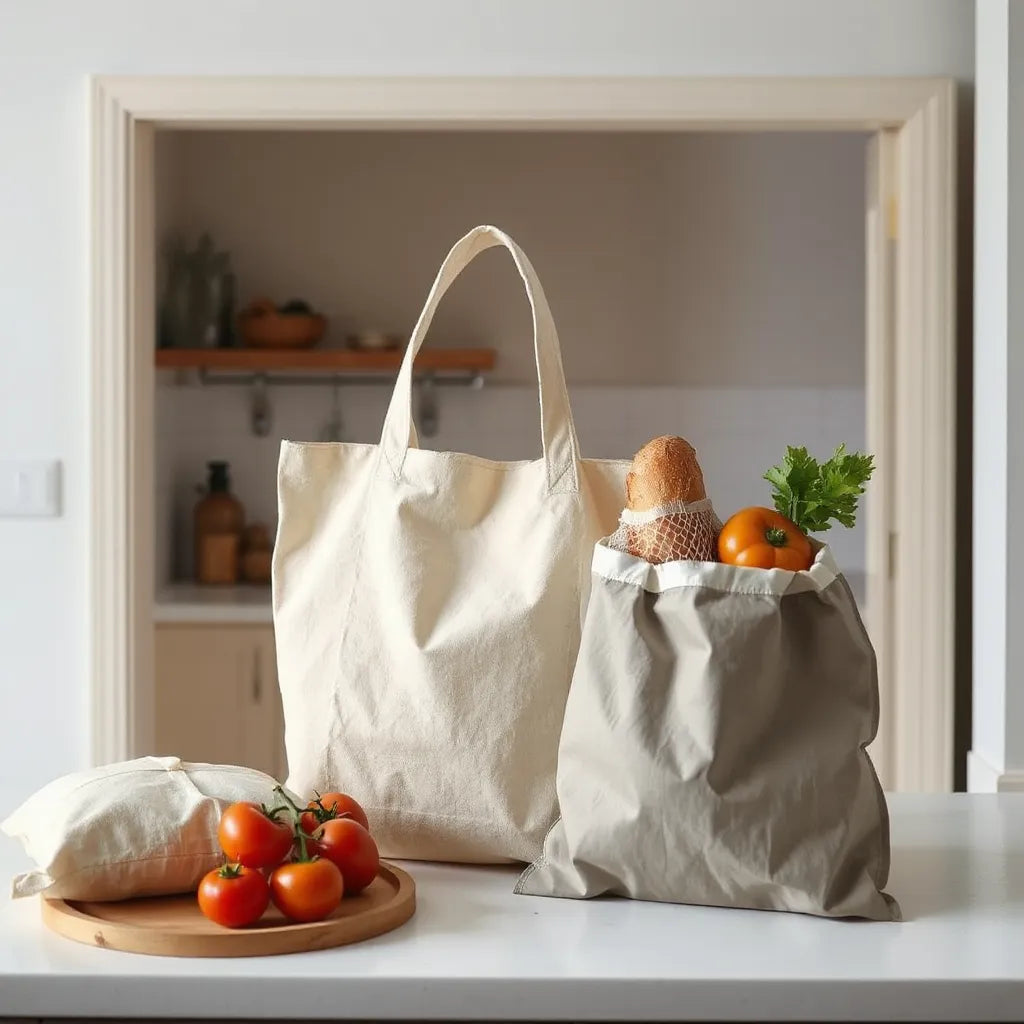
Reusable shopping bags are carry bags designed to be used repeatedly instead of being discarded after a single trip. They come in many forms, including fabric totes, insulated styles for cold items, and sturdy options intended for heavier loads. The best choice depends on your typical shopping pattern, how you store your bag, and what you usually carry.
In everyday use, these bags serve a practical purpose: they help you transport items safely while reducing reliance on disposable packaging. They also encourage better organization, because you can keep frequently needed items in a consistent place, such as a car trunk compartment, a closet hook, or a dedicated drawer near your entryway.
Why They Matter for Customers and Retailers
The value of reusable shopping bags extends beyond personal convenience. Many shoppers want options that support lower waste generation, and retailers often benefit from a more consistent customer experience when shoppers bring their own carriers. Reusable bags can also help reduce micro-waste caused by single-use plastics breaking down over time.
From a brand perspective, encouraging reusable habits strengthens customer trust. When shoppers see clear guidance on bag care, material choices, and usage expectations, they are more likely to keep using the product they choose. That sustained behavior is where the real benefit appears: the bag must be practical enough to use often and durable enough to keep working.
Step-by-Step Guide: Choose and Use Reusable Shopping Bags
-
Identify your most common load. If you frequently carry groceries, select a bag that supports weight and has reinforced seams. For lighter essentials, a compact tote may be sufficient. For mixed items, prioritize a stable base and comfortable handles.
-
Match the material to your routine. Look for materials that fit your environment and cleaning preferences. Durable fabric can handle regular washing, while insulated designs support temperature-sensitive items. Consider whether you need water resistance for rainy seasons.
-
Choose a size that prevents overstuffing. A bag that is too small forces pressure on handles and seams. A bag that is too large encourages inefficient packing. Aim for a size that aligns with your usual basket contents.
-
Check construction details. Reinforced stitching, sturdy handle attachments, and a structured bottom reduce wear. If the bag folds or collapses easily, you may need a design that offers more stability.
-
Plan storage where you will actually grab it. Keep a bag near where you pick up your keys and wallet. Many shoppers find success with a simple habit: store one bag by the door and keep another in a car or office drawer.
-
Use packing habits that protect the bag. Keep sharp or heavy items from dragging across the fabric. If your purchases include fragile items, use gentle packing and avoid twisting the handles under load.
-
Follow a basic cleaning schedule. Rinse after spills, spot-clean when possible, and wash according to the care needs of the material. Allow the bag to dry fully to limit odors and prevent fabric damage.

Checklist icons for size, material, and reinforced seams
Tips for Better Durability and Everyday Convenience
- Keep two to three bags in rotation. Rotation reduces wear on a single bag and ensures you always have one available when you forget.
- Use a simple “grab path” in your home. Place one bag where you exit and one where you store shopping items. Consistency increases adoption.
- Protect handles with correct carrying technique. Avoid lifting by one handle if the design includes two. Use both handles to distribute weight.
- Inspect seams during normal routines. Look for fraying, loose threads, or stretched attachment points. Early repairs extend usable life.
- Consider your climate. If your region has frequent rain, choose materials that resist moisture or dry quickly after cleaning.
- Label for fast retrieval. A discreet tag or internal marker helps you identify your preferred bag when multiple are stored together.
Common Mistakes to Avoid
Even a well-made bag can wear out faster if used incorrectly. One common issue is repeatedly overloading a bag beyond its intended capacity. Another is washing in a way that damages fibers or affects stitching. Some shoppers also leave bags in damp places after shopping, which can lead to odors and faster deterioration.
A second frequent problem is inconsistent storage. If a bag lives in a random location, it is more likely to be forgotten and replaced with disposable carriers. That pattern reduces the long-term impact of reusable shopping bags, because the bag must be used regularly to deliver value.
Finally, shoppers sometimes treat a single tote as a universal solution for every scenario. While one bag can work for many errands, having a secondary option for heavier or insulated needs can protect the bag you use most often.

Home entryway hooks with two bag symbols and checkmarks
FAQs About Reusable Shopping Bags
How many reusable shopping bags should I keep at home?
A practical range is two to three. One bag can stay by the door for quick access, a second can be stored in a car or bag compartment, and an optional third can be used for heavier trips or as a backup. This rotation improves consistency and reduces wear.
What material is best for reusable shopping bags?
The best material depends on your shopping habits. For regular errands, durable woven fabric with reinforced seams is often a solid choice. If you carry temperature-sensitive items, consider an insulated design that supports better retention. If you shop in wet conditions, prioritize quick-drying and moisture-resistant characteristics.
How should I clean reusable shopping bags without damaging them?
Start with basic spot cleaning for small spills. If the care instructions allow washing, use gentle settings and avoid abrasive treatments that weaken fibers. After cleaning, dry the bag fully before storage. Regular care helps maintain structure, handle comfort, and overall performance.
Can I use a reusable bag for more than groceries?
Yes. Many shoppers use these bags for everyday essentials such as personal items, school supplies, and household purchases. The key is to pack thoughtfully so heavy or sharp items do not stress the seams and handles.
Wrap-up & Final Thoughts
Reusable shopping bags offer a clear path to lower waste and a more reliable shopping routine. By selecting the right material, choosing a size that fits your typical load, and maintaining consistent storage, you reduce friction and increase long-term use. Durable construction and simple care habits help your bag stay functional across seasons. If you want a dependable daily system, start with two bags in rotation and refine your cleaning and packing approach over time.
If you also prefer Italian-made goods with a focus on craftsmanship, you may appreciate how design choices influence everyday durability. Italiabchains makes all jewelry in Italy and ships directly to the customer. Explore a curated selection from Italian rope chains or review related pieces at a horn pendant for another example of quality-driven design.
Disclaimer: This article provides general guidance on selecting and using reusable shopping bags. Always follow the care instructions provided by the bag manufacturer and use safe handling practices for all purchases.
About the Author
Mike Luciano is an experienced retail sustainability strategist with expertise in consumer product selection, durability evaluation, and practical behavior change. His approach emphasizes straightforward decision criteria, so shoppers can adopt useful habits without complexity. Thanks for reading, and may your next shopping routine feel more organized and intentional.
Share:
Plant-Based Protein Supplements: How to Choose Right
Natural Silver Jewelry Guide for Everyday Shine