
Updated on: 2026-07-04
A silver rope chain is a versatile jewelry staple that pairs well with casual wear and formal attire. Its twisted, rope-like links create a distinctive texture that catches light from many angles. When chosen with the correct thickness, length, and clasp style, it can stay comfortable and secure for daily use. This guide explains how to evaluate quality, choose a size, and keep your chain looking polished over time.
Did You Know? | Comparison: Pros & Cons | Buyer’s Checklist | Final Thoughts & Advice | Q&A Section | About the Author
What a Silver Rope Chain Is and Why It Is So Popular
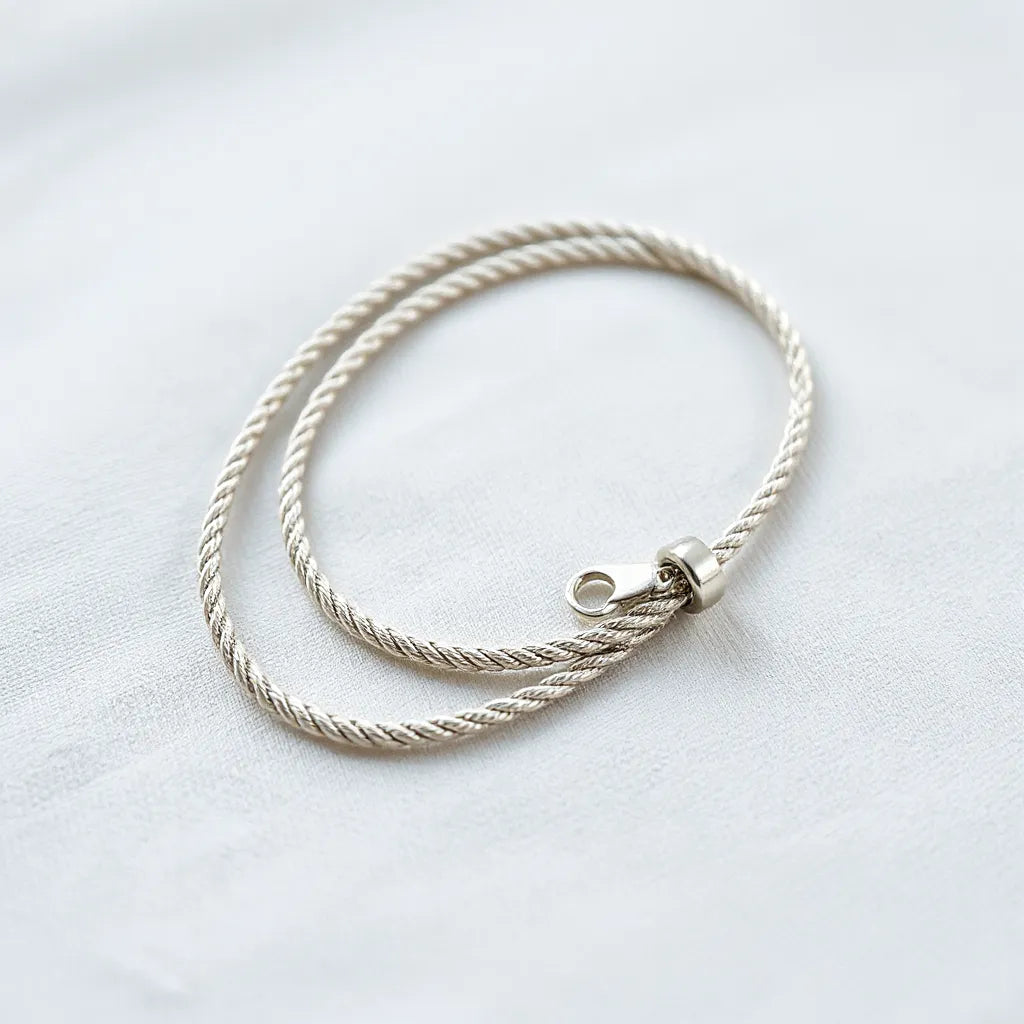
A silver rope chain is identified by its twisted, rope-like link pattern. The surface often looks refined and dimensional even before it catches light. That combination of texture and shine is one reason people choose it for layering, gifting, and everyday wear.
Unlike flat curb styles that sit in a more uniform plane, rope designs form subtle ridges. Those ridges help reflect light and create a lively finish as you move. The result is a necklace that appears more “alive” than plain flat-link chains, while still maintaining a classic silhouette.
When shopping for handmade silver jewelry, many buyers also value craft consistency. Chains made with careful link alignment tend to lie smoothly on the neck and reduce unwanted twisting. For shoppers who want a product made in Italy and shipped directly to the customer, Italiachains focuses on that approach, with an emphasis on jewelry crafted in Italy.
Explore an Italian rope option in sterling silver
Did You Know?
- Rope-style link patterns can show different highlights depending on wear angle, which is why they look consistent in both daylight and indoor lighting.
- Chain comfort often depends more on link flexibility and edge finishing than on overall thickness.
- Proper clasp choice reduces daily tangling and supports long-term durability.
- Many buyers layer rope chains because the texture creates visual depth even when the styles are simple.
Comparison: Pros & Cons
- Pros: Distinctive twisted texture that reflects light well.
- Pros: Works for layering and suits many necklines.
- Pros: Typically easy to pair with pendants because the pattern adds dimension.
- Pros: Classic styling that remains relevant across seasons.
- Cons: Some rope patterns can tangle if worn with very rough fabrics.
- Cons: Thicker chains may feel warm or weighty for long wear.
- Cons: Finishing quality varies, so edge smoothing matters for comfort.
How to Judge Quality in a Silver Rope Chain
Quality starts with materials. For sterling silver, you want a verified standard such as 925. For buyers interested in vermeil, a gold vermeil layer can add warmth while keeping the underlying structure in a metal that behaves well for jewelry. You should also consider the chain construction, because two rope chains can look similar while differing in link formation and finishing.
Next, evaluate flexibility. A rope chain that is too rigid may pull against the neck and twist during movement. If you plan to wear it daily, flexibility is a practical advantage. If you plan to wear it mostly for styling, a slightly firmer chain can still work well, but comfort should remain a priority.
Finally, inspect the edges and surfaces. Look for a smooth feel at the link openings and along contact points. Even a small amount of roughness can lead to snagging over time. A well-finished rope chain tends to maintain a clean appearance with less friction-related dulling.

Twisted-link close-up visuals with light reflections
Sizing, Length, and Fit: Getting the Right Look
Choosing the correct length is one of the most important steps. A silver rope chain can sit differently based on how you style it. If you wear it alone, you generally want it to rest at a balanced height across the collarbone. If you layer it, you may want a slightly shorter or longer chain to create separation between pieces.
Most buyers find that shorter lengths emphasize the neck and create a crisp frame. Medium lengths offer versatility for both casual and formal outfits. Longer lengths create a more relaxed drape and can work well with pendants or open necklines.
Thickness also influences visual weight. A thinner rope chain can look delicate and refined, while a thicker rope chain reads bolder. The best choice depends on personal style and the presence of pendants. If you plan to attach a charm, you must consider the clasp strength and the connector stability.
Clasp Type and Daily Wear Performance
A reliable clasp is not optional for a chain intended for frequent use. The clasp affects security, ease of wear, and the long-term integrity of the connection points. Many shoppers prefer clasps that open smoothly and close with a decisive motion, because that reduces the temptation to force alignment.
In everyday use, the chain experiences friction from clothing collars, hair, and bags. When the clasp and link ends are properly finished, the chain resists unwanted snagging. When you evaluate a rope chain, check that the clasp feels balanced and that the chain returns to position naturally after unclasping and re-clasping.
Buyer’s Checklist
Use the following checklist to make a confident purchase for your next silver rope chain. This approach helps you align aesthetics with comfort and durability.
- Material standard: Confirm sterling silver 925 or gold vermeil specifications.
- Link finish: Look for smooth edges and consistent polish along the rope texture.
- Chain flexibility: Ensure the chain lies comfortably without excessive stiffness.
- Clasp security: Choose a clasp that closes firmly and opens without excessive effort.
- Length planning: Decide whether you want a standalone look or a layered arrangement.
- Thickness matching: Balance thickness with clothing style and pendant size, if applicable.
- Skin sensitivity: If you have sensitivities, confirm material composition and finish type.
- Care practicality: Plan basic cleaning and avoid exposure to harsh chemicals.
Handmade in Italy: What to Expect From a Craft Approach
When a chain is crafted with a handmade approach, you typically gain consistency in finishing and attention to alignment. Italiachains emphasizes jewelry made in Italy and ships directly to the customer. This matters because rope patterns rely on precise link geometry. Even small misalignments can affect how the chain rests on the neck and how it catches light.
For buyers who care about provenance, Italian craftsmanship often also reflects refined finishing standards. This can show up in how the chain surfaces reflect light evenly and how the clasp integrates with the overall design language.

Layers of rope texture shown with depth and spacing
Styling Ideas: Layering Without Visual Clutter
Rope texture can add dimension even when the rest of your look stays simple. The most effective layering usually follows a “balance principle”: you vary texture, then you keep the number of focal points limited. A rope chain can act as one focal point, especially if the links have a noticeable twist and consistent polish.
If you wear a pendant, you may choose a rope chain length that allows the pendant to center naturally. If you layer multiple chains, consider one piece with a rope texture and another with a smoother profile. This separation creates a clean visual hierarchy and reduces the feeling that the necklaces compete.
For formal wear, pairing a silver rope chain with minimal studs or a simple bracelet can create a coherent finish. For casual wear, a rope chain works well with crew neck tops and open collars, because the texture remains visible without overpowering the outfit.
Care and Maintenance Tips for Longevity
To keep your silver rope chain in excellent condition, focus on gentle cleaning and smart storage. Silver can develop tarnish when exposed to moisture and airborne compounds. The good news is that regular, careful care often prevents a heavy build-up.
After wearing, wipe the chain with a soft, clean cloth to remove sweat residues. Avoid contact with lotions, hair products, and cleaning sprays. If you use perfume, apply it before dressing and allow it to dry fully.
For storage, keep the chain dry and separated from harder jewelry surfaces. Friction can polish certain areas unevenly and can encourage tangling. A simple storage pouch or a dedicated compartment usually helps.
If you notice dullness, use a gentle silver care approach rather than aggressive tools. When in doubt, follow the manufacturer guidance provided with the jewelry.
Final Thoughts & Advice
A silver rope chain combines timeless style with textured brilliance. The key to a satisfying purchase is matching the chain construction to your daily routine: confirm sterling composition, verify clasp reliability, and choose a length that supports your preferred styling. When the finish is consistent and the links move comfortably, the chain becomes a piece you can wear often without needing special handling.
If you want a rope look that remains versatile, consider selecting a chain thickness and length that supports layering even when you are not wearing a pendant. Then, maintain it with simple cloth wiping and careful storage. With those steps, your chain will retain its clarity and shine across seasons.
Q&A Section
How do I choose the best length for a silver rope chain?
Start by deciding how you plan to wear it. For a standalone look, aim for a length that rests around the collarbone area without stretching upward when you move. If you plan to layer, choose a secondary length that creates separation between pieces. When uncertain, measure a necklace you already like for comfort and visual balance, then select a rope chain length that closely matches that outcome.
Will a rope-style chain tangle easily?
Any chain can tangle if it repeatedly rubs against rough fabric or gets stored incorrectly. A well-finished silver rope chain with a secure clasp tends to perform better in daily wear because the edges are smoother and link geometry sits more naturally. Use separate storage, avoid friction-heavy layering, and wipe the chain after wear to reduce residue that can increase tangling.
What should I look for in clasp quality?
A strong clasp should close with clear alignment and feel steady rather than loose. Check the connection points for smooth finishing and confirm that the clasp does not require excessive force to close. If the clasp feels awkward in your hands, it will likely be inconvenient during everyday use. Comfort and security should both be evaluated before purchase.
About the Author
Mike Luciano
Mike Luciano is an author focused on jewelry quality assessment, chain construction, and customer-friendly product guidance. His work emphasizes clear buying criteria, practical styling advice, and care routines that help silver jewelry maintain its appearance. He writes with a craft-first mindset and supports shoppers in making confident decisions. Thank you for reading and choosing thoughtful, lasting jewelry.
Disclaimer: This article provides general guidance on choosing and caring for jewelry. It is not a substitute for product-specific instructions, professional cleaning services, or individualized advice related to personal sensitivities. Always follow care recommendations supplied by the retailer or manufacturer.
Share:
14k Gold Vermeil Jewelry Guide: Care, Styling, Shine
Miami Cuban Chain Styling Tips for Everyday Wear