
Sterling Silver Vs. Platinum: A Luxury Metal Comparison

When it comes to luxury jewelry, the choice of metal can significantly impact both aesthetics and value. Sterling silver and platinum are two popular options, each with unique properties and characteristics that appeal to different tastes and preferences.
We’ll take a closer look at the key differences between these two metals, so you can make an informed decision when purchasing luxury jewelry. We will delve into the properties of sterling silver, compare its durability and hypoallergenic qualities with platinum, and examine the role of Italian craftsmanship in enhancing the value of these metals.
What Are The Key Properties Of Sterling Silver In Luxury Jewelry?
Sterling silver is a popular choice in luxury jewelry due to its beautiful luster and affordability. Composed of 92.5% silver and 7.5% other metals, typically copper, sterling silver offers a balance of quality and durability.
Its purity level is important because sterling’s 92.5% silver content supports a bright luster while the alloy adds strength. However, sterling silver requires regular maintenance to prevent tarnishing, which can detract from its appearance over time.
Sterling Silver Purity And Quality
The purity of sterling silver, which is 92.5%, is one factor in overall quality, along with craftsmanship and finishing. Higher purity levels result in a more lustrous finish but do not necessarily increase corrosion resistance.
Sterling silver is prone to tarnishing due to the copper content reacting with sulfur compounds in the air. When buying sterling silver jewelry, look for a “925” hallmark. It confirms the piece meets the sterling standard.
Caring For Sterling Silver To Maintain Durability
Sterling silver is relatively durable but requires regular care to maintain its appearance. It is prone to tarnishing, especially when exposed to moisture and air.
To keep sterling silver jewelry looking its best, it is recommended to polish it regularly and store it in a dry, airtight container. Avoiding exposure to harsh chemicals and cleaning agents can help preserve its shine and integrity.
How Does Platinum Compare In Durability And Hypoallergenic Qualities?

Platinum is often chosen for luxury jewelry due to its durability and generally hypoallergenic composition. Unlike sterling silver, platinum is a dense metal that resists wear and develops a light patina over time.
That makes it a strong option for everyday wear. Its hypoallergenic qualities also make it suitable for individuals with sensitive skin, as it is less likely to cause allergic reactions.
Platinum Vs Sterling Silver Durability
-
Platinum’s high density makes it naturally tougher and more wear-resistant than sterling silver.
-
Its composition helps it hold up better against everyday knocks and pressure.
-
Platinum is generally more resistant to dents and wear than sterling silver, but it can develop fine surface marks (patina) over time.
-
Sterling silver can wear down and lose detail over time with regular use.
-
Platinum tends to retain its shape, strength, and overall integrity for longer.
-
That means it can keep its structural integrity over years of wear, even if the surface develops a patina.
-
This durability matters most for daily-wear jewelry, especially rings.
-
That’s why platinum is often preferred for engagement rings and long-term wear pieces.
Platinum’s Benefits For Sensitive Skin
-
Platinum is often a good option for sensitive skin because many platinum alloys are hypoallergenic.
-
It’s less likely to trigger irritation compared to many other jewelry metals.
-
Sterling silver is often well-tolerated, but irritation can happen if alloys or components contain sensitizing metals.
-
Nickel (sometimes found in metal alloys) can be a common irritant for many people.
-
Platinum is typically mixed with skin-friendlier metals that are less likely to cause reactions.
-
That makes allergic flare-ups less likely with platinum jewelry.
-
If you’ve had itching, redness, or discomfort before, platinum is a lower-risk choice.
-
It’s an especially solid choice for daily-wear items like rings and earrings.
What Role Does Italian Craftsmanship Play In Sterling Silver And Platinum Jewelry?

Worthwhile Purchase: For buyers seeking luxury and long-term wear, Italian-crafted pieces can offer enduring appeal.
Italian craftsmanship is known for quality and attention to detail. It can enhance the perceived value of sterling silver and platinum jewelry.
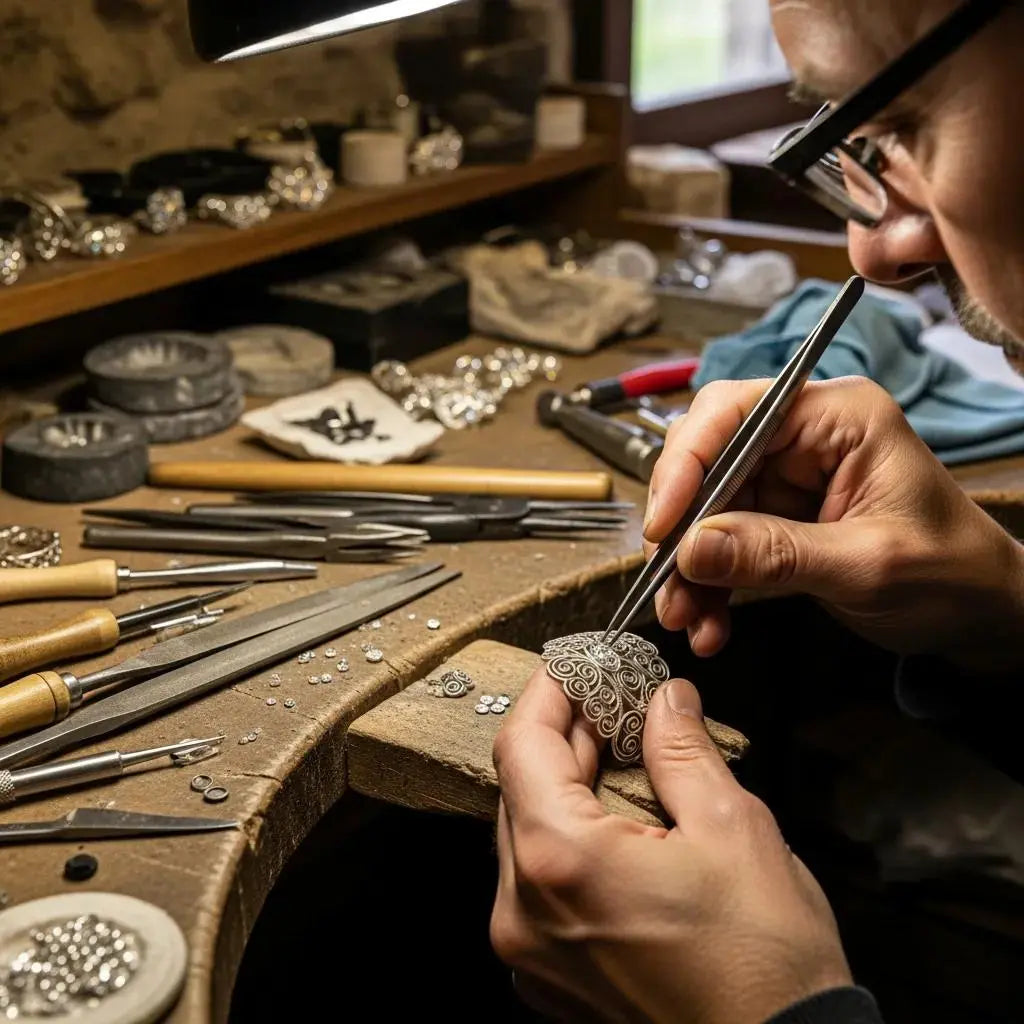
The intricate designs and high-skill techniques employed by Italian artisans create unique pieces that stand out in the luxury market. This craftsmanship not only elevates the aesthetic appeal but also ensures the longevity and durability of the jewelry.
Italian Craftsmanship In Luxury Metals
-
Elegance and Sophistication: Italian design is known for refined, high-end aesthetics that elevate sterling silver and platinum pieces.
-
Artistic Craftsmanship: Strong focus on detail, balance, and finishing makes each piece feel expertly made.
-
Cultural Influence: Designs often reflect Italian heritage, adding meaning beyond just the metal value.
-
Creative Design Language: Distinct styling and originality help pieces stand out in a crowded luxury market.
-
“Wearable Art” Appeal: Many items are treated as art objects, not just accessories, boosting perceived worth.
-
Higher Perceived Value: Premium design can make the same metal feel more luxurious and exclusive.
-
Collector Demand: Recognizable Italian aesthetics may attract collectors looking for a signature design.
-
Buyer Desirability: A strong design reputation can increase desirability, which may support resale interest.
Italian-Crafted Jewelry Quality And Style
-
Meticulous Craftsmanship: Italian-made jewelry is known for precise, careful detailing and finishing.
-
High-Quality Materials: Artisans prioritize premium metals and components to enhance the look and longevity.
-
Traditional Techniques: Many makers use methods passed down through generations for consistent quality.
-
Built to Last: The focus isn’t just beauty—pieces are designed to stay durable over time.
-
Quality-First Standards: Strong attention to structure, settings, and polish reflects higher production standards.
-
Distinctive Style: Italian design often has a recognizable luxury aesthetic that feels elevated and refined.
-
Not Mass-Produced: It can stand out from factory-made jewelry through its distinct design and careful finishing.
How Do Cost And Value Differ Between Sterling Silver And Platinum Jewelry?
When considering the cost and value of sterling silver versus platinum jewelry, several factors come into play. Platinum is generally more expensive due to its rarity and the complex extraction process involved in obtaining it.
However, long-term value depends on brand, condition, and market demand. Platinum’s durability can help justify a higher upfront cost for daily wear.
Key Reasons Platinum Costs More Than Silver
Several factors influence the price difference between sterling silver and platinum, including market demand, production costs, and the intrinsic value of the metals.
Platinum's rarity and the labor-intensive process required for its extraction contribute to its higher price point. In contrast, sterling silver is more readily available, making it a more affordable option for consumers.
Comparing The Lifetime Cost Of Platinum Jewelry
For daily-wear pieces, platinum can be more cost-effective over time because of its durability and lower wear. While the initial cost may be higher, platinum's resistance to wear and tear means it may require fewer repairs than sterling silver over time.
Platinum’s price can still fluctuate, so buy it mainly for durability and long-term wear, not guaranteed returns.
|
Metal Type |
Purity |
Durability |
Hypoallergenic |
Average Price per Ounce* |
|
Sterling Silver |
92.5% |
Moderate |
No |
$25 - $30 |
|
Platinum |
90-95% |
High |
Yes |
$900 - $1,200 |
Prices fluctuate based on market conditions. This comparison highlights the key differences between sterling silver and platinum, emphasizing the factors that contribute to their respective values and costs. Understanding these differences can help buyers make informed decisions when selecting luxury jewelry.
Should You Choose Sterling Silver Or Platinum For Luxury Jewelry?
Sterling silver and platinum both earn their place in luxury jewelry, but they serve different buyers. Sterling silver gives you shine, style, versatility, and a lower entry price, as long as you’re willing to maintain it.
Platinum costs more upfront, but delivers stronger durability, lower irritation risk for sensitive skin, and greater long-term wear resistance for daily-wear pieces like engagement rings.
If Italian craftsmanship is part of the equation, it can elevate either metal through design, finish, and build quality. In the end, choose based on wear frequency, skin sensitivity, and budget.
Italia Chain: Elevating Luxury Jewelry with Italian Excellence
Italia Chain is a premier destination for discerning buyers seeking exquisite sterling silver and platinum jewelry crafted with authentic Italian artistry. Our commitment to quality and tradition ensures each piece embodies the elegance and durability that define luxury metals.
At Italia Chain, we celebrate the rich heritage of Italian craftsmanship by offering collections that highlight the unique properties of sterling silver and platinum. Whether you prefer the radiant shine of sterling silver or the enduring strength of platinum, our curated selection showcases the finest designs made to last a lifetime.
Choosing Italia Chain means embracing not only superior materials but also the passion and skill of Italian artisans who transform precious metals into wearable art. Explore our offerings to experience how Italian craftsmanship enhances the beauty and value of luxury jewelry.
Key Takeaways Before You Buy
Choosing between sterling silver and platinum for luxury jewelry ultimately depends on your personal preferences and lifestyle needs. Sterling silver offers an affordable option with stunning aesthetics, while platinum provides unmatched durability and hypoallergenic benefits for sensitive skin.
Both metals can be beautifully enhanced by Italian craftsmanship, ensuring that your jewelry not only looks exquisite but also lasts for years to come. Discover our curated collection at Italia Chain to find the perfect piece that reflects your unique style and values.
Frequently Asked Questions
What Are The Environmental Impacts Of Mining Sterling Silver And Platinum?
Mining sterling silver and platinum can cause serious environmental damage. Silver mining can involve chemicals that contaminate soil and water if not managed well. Platinum mining can be energy-intensive because the metal is scarce.
What Are The Best Ways To Clean And Maintain Platinum Jewelry?
Platinum jewelry is easy to maintain: clean it with mild soap and a soft cloth. Avoid harsh chemicals and abrasive materials that can scratch the surface. For deeper cleaning and checkups (loose stones/wear), visit a professional jeweler occasionally.
What Styles Of Jewelry Are Most Popular In Sterling Silver And Platinum?
Both sterling silver and platinum come in many popular jewelry styles. Sterling silver is a go-to for trendy statement rings, earrings, and bracelets because it’s affordable and versatile. Platinum is usually chosen for high-end engagement rings and wedding bands thanks to its durability and hypoallergenic nature.
Are There Any Health Benefits Associated With Wearing Platinum Jewelry?
Wearing platinum jewelry can reduce the risk of skin irritation, particularly for individuals with sensitive skin. Platinum is often hypoallergenic, meaning it is less likely to cause allergic reactions than jewelry that contains nickel or other sensitizing alloys. This makes platinum a lower-risk choice for those prone to skin irritations.
Share:
Style Men's Italian Chains: The Essential Practical Guide
The Essentials of Luxury Silver Bracelets: Style and Shine