
Updated on: March 12, 2026
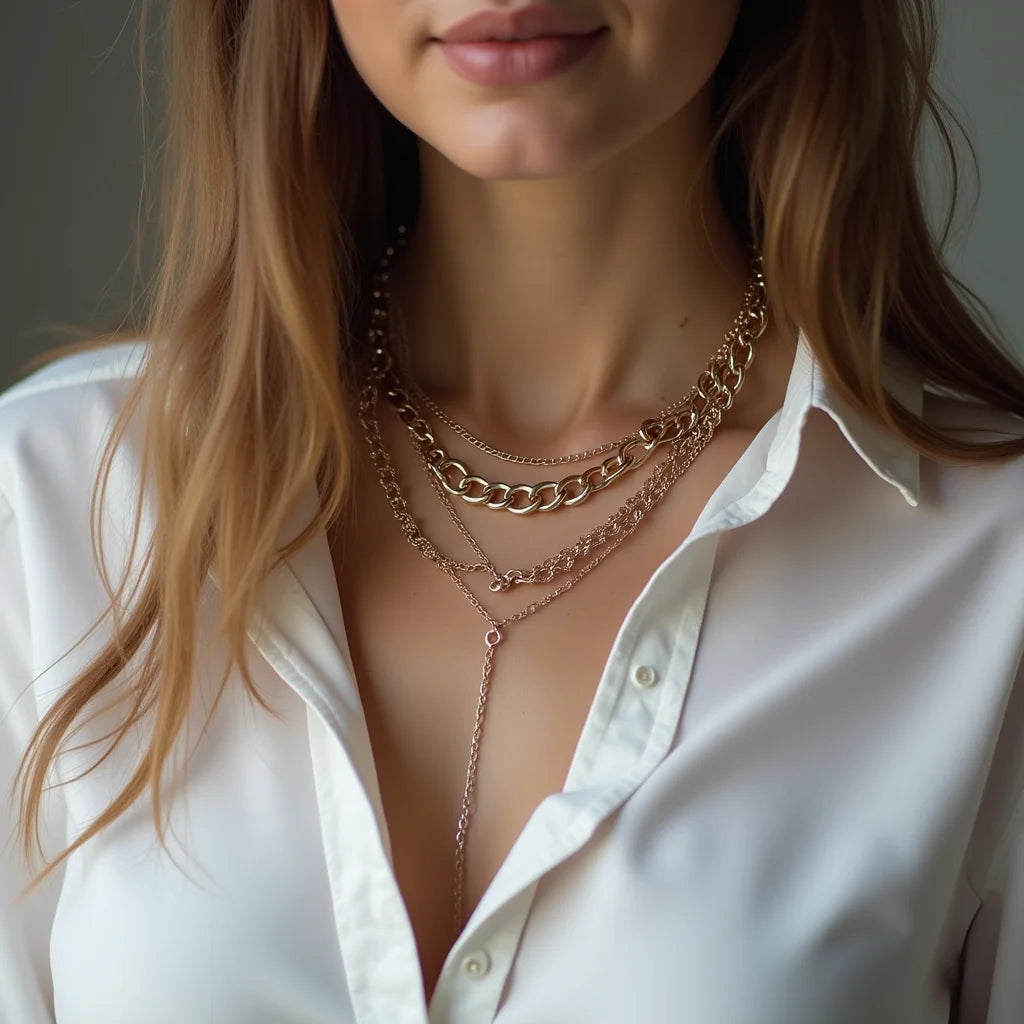
Layering chains for necklaces has become a cornerstone technique in modern jewelry styling, allowing wearers to create sophisticated and personalized looks. This comprehensive guide explores the art of combining multiple chain necklaces, from selecting complementary styles to mastering proportion and spacing. Whether you are a jewelry enthusiast or someone seeking to elevate your everyday accessories, understanding how to layer chains effectively transforms your wardrobe and expresses your individual aesthetic.
Table of Contents
- Understanding the Fundamentals of Chain Layering
- Buyer's Checklist for Layered Necklaces
- Step-by-Step Guide to Creating Layered Chain Designs
- Frequently Asked Questions
- Closing Thoughts and Call to Action
Understanding the Fundamentals of Chain Layering
Layering chain for necklaces is the practice of wearing multiple chains simultaneously to create visual depth and personal expression. This technique has gained significant popularity in contemporary fashion, as it allows individuals to blend different metals, textures, and lengths into a cohesive design. The beauty of this approach lies in its versatility—you can create understated elegance or bold statement pieces depending on your preference and occasion.
The foundation of successful chain layering begins with understanding proportions. When combining multiple chains, varying the lengths creates a cascading effect that flatters the neckline and draws attention strategically. A general rule involves selecting chains that differ by at least one inch in length, allowing each layer to sit distinctly without overlapping awkwardly. This spacing creates visual interest while maintaining a polished appearance.
Metal compatibility is another essential consideration. Many people assume all metals must match, but modern styling embraces mixed metals. Sterling silver, gold vermeil, and other finishes can work beautifully together when intentionally combined. The key is choosing metals with similar undertones—warm-toned metals complement each other, as do cool-toned options. Italia Chains specializes in 925 sterling silver chains and gold vermeil options, providing excellent foundational pieces for layering projects.

Multiple sterling silver chains of varying lengths arranged to show cascading, layered effect with distinct spacing
Buyer's Checklist for Layered Necklaces
Before investing in chains for layering, consider the following essential checklist to ensure you make informed decisions:
- Determine your preferred metal finish (sterling silver, gold, gold vermeil, or mixed metals)
- Measure your neckline and existing necklace collection to identify length gaps
- Assess your lifestyle and choose appropriate chain weights (delicate for everyday, heavier for statement pieces)
- Consider the occasion—work, casual, or special events—and select accordingly
- Evaluate clasp types and durability, especially for chains worn frequently
- Budget for quality materials that resist tarnishing and maintain their appearance
- Research brand reputation and craftsmanship standards before purchasing
- Check return policies in case combinations do not work as anticipated
- Verify that chains are made from genuine materials with proper hallmarking
- Plan your layering combinations in advance by sketching or using mood boards
Step-by-Step Guide to Creating Layered Chain Designs
Step One: Select Your Base Chain
Begin by choosing a foundational chain that will serve as your anchor layer. This chain typically sits closest to the neck and establishes the overall aesthetic. For everyday layering, a 2.5mm Singapore chain in 925 sterling silver offers classic elegance with structural integrity. This choice ensures your layered design has a solid foundation while remaining versatile enough to pair with additional pieces.
Step Two: Add a Mid-Length Layer
Your second chain should be one to two inches longer than your base chain. A 1.8mm Italian solid rope chain works exceptionally well for this purpose, offering textural contrast while maintaining refinement. This layer creates visual separation and allows both chains to be clearly visible without competing for attention.
Step Three: Introduce a Statement Layer
Your longest chain typically features a pendant or distinctive design element. Consider a 3mm diamond-cut rope chain, which provides visual interest through its textured surface. This chain can descend further down the chest, creating a harmonious composition with your previous layers. The increased width and length distinguish this layer while maintaining visual balance.

Three distinct chain layers at different lengths with varying widths and textures creating balanced visual hierarchy
Step Four: Consider Adding Pendants
Once you have established your base layers, introduce pendants strategically. Rather than placing pendants on every chain, select one or two focal points. This approach prevents visual chaos and maintains sophistication. A small pendant on your longest layer and perhaps a minimal piece on your middle layer creates intentional design without overwhelming the composition.
Step Five: Ensure Proper Spacing and Symmetry
Arrange your chains so each layer is clearly visible and distinct. Test your combination before wearing by laying chains on a flat surface or against your skin. Ensure clasps are positioned at the back of your neck and that chains do not tangle. Proper spacing creates the polished appearance that distinguishes well-executed layering from a tangled mess.
Step Six: Balance Weight Distribution
Heavier chains should sit lower on the neck, while lighter chains rest higher. This natural weight distribution prevents strain on your neck and creates a visually balanced appearance. If you are wearing precious metal chains daily, ensure each layer has adequate clasp security to prevent loss.
Frequently Asked Questions
What is the ideal number of chains for layering?
Most fashion experts recommend between two and four chains for optimal visual impact. Two chains create subtle elegance, three chains offer excellent balance and versatility, and four or more chains work for bold statement pieces. Avoid exceeding four chains unless you have significant chest space or are creating a deliberately dramatic effect.
Can I layer chains of different metals?
Absolutely. Mixing metals has become a modern standard in jewelry styling. Sterling silver and gold vermeil create sophisticated combinations when their undertones harmonize. The 925 Sterling Silver 4mm Figaro Chain Necklace shown below demonstrates the classic appeal of sterling silver, which pairs beautifully with other metals or stands alone as an elegant layering piece.
925 Sterling Silver 4mm Figaro Chain Necklace

This handmade 925 sterling silver necklace features a distinctive Figaro pattern, combining solid 4mm links with precision craftsmanship. Manufactured directly in Italy by Italia Chains, this piece offers exceptional quality and durability for daily layering applications. The classic Figaro design coordinates seamlessly with various pendant styles and other chains, making it an essential foundation piece for any layering collection.
How do I prevent chains from tangling?
Prevent tangling by ensuring each chain has a secure clasp that closes completely. When storing layered necklaces, hang each chain separately on individual hooks or pegs. When wearing multiple chains, periodically adjust them to maintain proper spacing. Before removing your necklaces, gently separate each chain to ensure they do not lock together during the removal process.
What chain widths work best for layering?
Create visual interest by combining varying widths. Start with a delicate chain around 1-1.8mm, add a mid-weight option at 2-3mm, and potentially introduce a statement chain at 4-6mm. This progression creates visual hierarchy without overwhelming your neckline. The diversity in thickness ensures each layer remains visually distinct and contributes to the overall composition.
Should all my layered chains be the same length?
No, varied lengths are essential for successful layering. The shortest chain typically sits at your collarbone, while subsequent chains descend in increments. Differences of one to two inches between layers create the cascading effect that makes chain layering visually appealing and prevents chains from lying flat against each other.
How do I care for layered sterling silver chains?
Store your chains separately to prevent tangling and tarnishing. Use soft cloth storage bags or individual hooks for each piece. Clean sterling silver periodically with specialized silver polish or mild soap and warm water. Remove your layered chains before swimming, showering, or engaging in activities that expose them to harsh chemicals. Italia Chains manufactures all jewelry in Italy with meticulous attention to durability and finish longevity.
Closing Thoughts and Call to Action
Mastering the art of layering chain for necklaces elevates your personal style and creates endless opportunities for creative expression. By understanding proportions, selecting complementary metals, and thoughtfully combining chains of varying lengths and widths, you craft sophisticated looks appropriate for any occasion. Whether you prefer understated elegance or bold statements, layering techniques adapt to your aesthetic preferences and lifestyle demands.
Explore Italia Chains' curated collection of handcrafted 925 sterling silver and gold vermeil chains, all manufactured with precision in Italy and shipped directly to you. Begin building your layering collection today by selecting foundational pieces that reflect your personal style and quality expectations. Start with one or two complementary chains and gradually expand your collection as you develop your layering expertise. Visit Italia Chains now to discover exceptional pieces that transform your jewelry wardrobe and inspire your creative styling adventures.
About the Author
Mike Luciano is an experienced jewelry consultant and content strategist specializing in silver chains, Italian craftsmanship, and contemporary jewelry styling techniques. With extensive knowledge of 925 sterling silver properties, gold vermeil applications, and handmade jewelry production methods, Mike provides authoritative guidance on selecting and maintaining quality pieces. His passion for jewelry extends to helping readers make informed purchasing decisions and develop their personal style through thoughtful accessorizing. Connect with Mike to explore more jewelry styling insights and discover how quality craftsmanship enhances your wardrobe.
Share:
Choosing 925 Sterling Silver Jewelry Styles That Shine
Stylish Tri-Color 925 Sterling Silver Jewelry Explained