
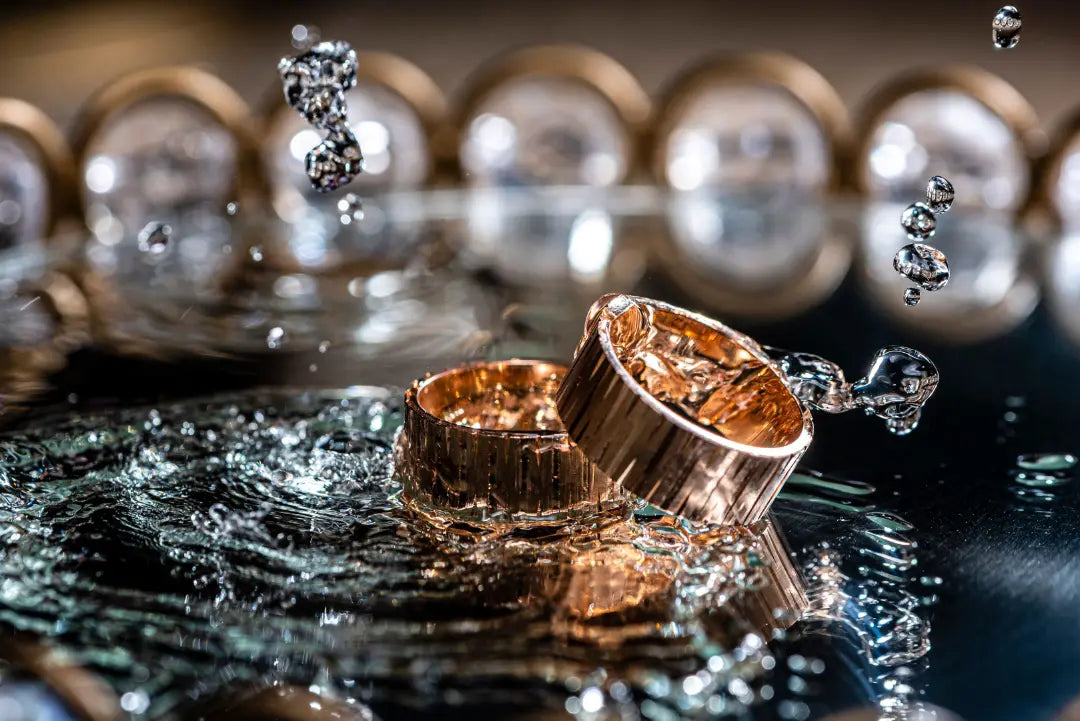
Jewelry can retain its beauty and condition for many years when it is cleaned, stored, and handled correctly. Daily exposure to oils, cosmetics, moisture, chemicals, dust, and impact can cause tarnish, scratches, dull surfaces, or loose settings. Proper care depends on the material, as sterling silver, plated jewelry, diamonds, pearls, and other gemstones require different treatments.
A consistent maintenance routine helps protect delicate finishes, intricate links, gemstones, and fine craftsmanship while reducing avoidable wear and long-term damage.
How Do You Clean Different Types of Jewelry Effectively?
Effective jewelry cleaning begins with identifying what the piece is made from. A method that is safe for solid gold may not be suitable for plated jewelry, porous gemstones, pearls, or intentionally oxidized silver.
Before cleaning any item, inspect it for loose stones, damaged links, worn prongs, weak clasps, or cracks. If the piece already appears damaged, cleaning it aggressively can make the problem worse.
For many durable metal pieces, a mild solution of lukewarm water and a small amount of gentle dish soap is sufficient. Avoid strong detergents, bleach, chlorine, abrasive powders, and household cleaners unless a professional specifically recommends them for the material.

Best Cleaning Methods for Gold Jewelry
Solid gold jewelry can usually be cleaned gently with lukewarm water and mild soap. Place the piece in the solution briefly to loosen oils and dirt. Use a very soft toothbrush or jewelry brush around settings, links, and textured areas. Avoid vigorous scrubbing because even gold alloys can develop fine surface scratches. Rinse the jewelry carefully and dry it thoroughly using a soft, lint-free cloth.
Gold-plated jewelry requires a more cautious approach. Repeated polishing or abrasive cleaning can gradually remove the thin outer layer of gold. For plated pieces, gentle wiping is often preferable to aggressive brushing. Perfume, lotions, chlorine, and cleaning chemicals can also shorten the life of plating. Apply cosmetics before putting jewelry on whenever possible.
Safe Cleaning Methods for Sterling Silver Jewelry
Sterling silver naturally tarnishes because silver reacts with substances in the surrounding environment. Tarnishing does not mean the piece is fake or permanently damaged. For lightly tarnished sterling silver, use a soft polishing cloth designed for silver. Rub gently rather than applying excessive pressure.
For ordinary dirt, mild soap and lukewarm water can often be used, followed by thorough drying. Be more careful with silver jewelry that contains gemstones, intentional blackened or oxidized details, plating, or special surface treatments. Aggressive silver dips and abrasive polishing compounds can remove finishes or affect stones.
If the piece has an intentionally darkened design, excessive polishing may erase the contrast that forms part of its appearance.
Safe Cleaning Methods for Platinum Jewelry
Platinum is durable, but it can still accumulate oils and fine scratches. For simple platinum jewelry, mild soap, lukewarm water, and a soft brush usually provide safe routine cleaning. Dry the piece with a non-abrasive cloth.
Over time, platinum may develop a soft surface patina created by microscopic scratches. Some owners appreciate this appearance, while others prefer a brighter polished finish. If you want the original high-polish appearance restored, professional polishing is usually more appropriate than repeated heavy home polishing.
How Should You Care for Gemstones to Preserve Their Shine?
Gemstones vary considerably in hardness, porosity, stability, and sensitivity to heat or chemicals. This means there is no single cleaning method that is safe for every gemstone.
Diamonds, sapphires, and rubies are relatively durable, but even these stones can be damaged if they contain fractures, treatments, or weakened settings. Other gems require considerably more caution.
Gemstones That Require Extra Care During Cleaning
Pearls are particularly sensitive. Their surface can be damaged by acids, perfume, hairspray, cosmetics, and abrasive cleaners. After wearing pearls, wipe them gently with a soft, slightly damp cloth. Avoid soaking pearl jewelry for long periods because moisture can affect the stringing material.
Opals also require careful handling. They should generally be protected from harsh chemicals, extreme heat, sudden temperature changes, and abrasive cleaning. Emeralds are commonly treated with oils or similar substances to improve their appearance. Steam and ultrasonic cleaning can affect treated emeralds, so gentle hand cleaning is usually safer.
Other delicate or porous materials, including turquoise, coral, amber, and certain organic gems, may also react badly to strong chemicals or prolonged immersion. When the gemstone is valuable, or you are uncertain about its treatment, ask a jeweler before using an ultrasonic cleaner, steam cleaner, or commercial cleaning solution.
When to Avoid Ultrasonic Jewelry Cleaners
Ultrasonic cleaners use vibrations to dislodge dirt from jewelry. They can be effective for some durable pieces, but they are not universally safe. Avoid assuming that a gemstone is suitable simply because it is hard.
Ultrasonic vibration can worsen existing fractures, disturb loose stones, affect certain treatments, or damage fragile and porous materials. Pearls, opals, emeralds, turquoise, coral, amber, and many treated gemstones should generally not be placed in an ultrasonic machine without professional guidance.
What Are the Best Practices for Storing and Protecting Jewelry?
Good storage protects jewelry from scratches, tangling, humidity, tarnish, impact, and unnecessary exposure to light or chemicals.
Throwing several pieces into one container may be convenient, but chains can become tangled, and harder materials can scratch softer ones. Separate storage is usually the better approach.
Preventing Scratches and Tangled Jewelry Chains
Use individual compartments, soft pouches, or lined jewelry trays whenever possible. Keep necklaces fastened before storing them to reduce tangling. Long chains can be laid flat or suspended from hooks in a jewelry organizer.
Do not allow diamond jewelry to rub directly against softer stones or metals. Diamonds are extremely hard and can scratch many other materials. Likewise, polished gold and silver surfaces can accumulate scratches if pieces repeatedly rub against one another.
Traveling requires extra care. Use a structured jewelry case with separate compartments rather than placing loose jewelry in a handbag or suitcase.
Preventing Sterling Silver Tarnish During Storage
Store sterling silver in a cool, dry environment when it is not being worn. Anti-tarnish strips, specialized pouches, or suitable closed storage can help reduce exposure to substances that accelerate tarnish.
Humidity can contribute to surface changes, so avoid long-term storage in bathrooms or other damp spaces. Make sure jewelry is clean and dry before putting it away. Sweat, skin oils, cosmetics, and moisture left on the surface can contribute to discoloration. For pieces worn only occasionally, inspect them periodically so tarnish can be addressed before it becomes heavy.
Storage Methods for Fine Italian Jewelry
Italian jewelry does not require a completely separate storage system simply because it was made in Italy. The correct storage method depends on its materials, construction, gemstones, and finish. However, finely made chains and detailed pieces benefit greatly from careful separation.
Soft-lined jewelry boxes, individual fabric pouches, compartmented trays, and chain organizers can help protect polished surfaces and intricate links. A delicate Italian chain should not be stored beneath heavy bracelets or rigid pieces that could bend or crush it.
For collectible or high-value jewelry, retain original boxes, certificates, receipts, and other documentation separately in a secure location. These materials may support provenance and resale value.
Which Jewelry Maintenance Habits Help Pieces Last Longer?
Cleaning is only one part of jewelry care. Regular inspection can identify small problems before they become more serious. A slightly loose stone or weakening clasp may be easier to address early. If ignored, it could lead to the complete loss of a gemstone or piece.
Recommended Jewelry Inspection Frequency
Frequently worn jewelry should be checked regularly. Look closely at prongs, clasps, hinges, chain links, jump rings, earring backs, and stone settings. If a stone moves when touched gently, stop wearing the piece until a jeweler has inspected it.
Pay particular attention to rings because they receive more impact and friction than many necklaces or earrings. Fine chains should also be examined for stretched or distorted links.
A professional inspection may be worthwhile periodically for valuable jewelry, heavily worn engagement rings, intricate settings, or antique pieces. There is no universal schedule that suits every item. Wear frequency, design, age, and condition should determine how often professional attention is needed.
Recommended Jewelry Polishing Frequency
Jewelry should not be polished simply because a fixed number of months has passed. Frequent aggressive polishing removes small amounts of material and may gradually soften engraved details, edges, or surface textures.
Instead, use a soft cloth for light routine maintenance and reserve more intensive polishing for when it is actually needed. Professionally finished, vintage, oxidized, engraved, or collectible pieces deserve particular care because excessive polishing may alter the appearance that gives them character.
What Everyday Habits Can Prevent Jewelry Damage?
Many jewelry problems occur during ordinary daily activities rather than during cleaning. Removing jewelry at the right times can prevent scratches, chemical exposure, impact, and loss.
Take rings and bracelets off before heavy cleaning, gardening, manual work, or activities where they may strike hard surfaces. Avoid wearing fine jewelry in swimming pools or hot tubs because chlorine can affect some metals and alloys.
Jewelry should also generally be removed before applying perfume, hairspray, lotions, and other cosmetic products. Allow products to dry before putting jewelry back on. When exercising, consider removing rings, chains, and bracelets. Sweat, equipment, friction, and impact can all affect jewelry.

Which Jewelry Care Products Should You Choose?
A complicated collection of cleaners is not necessary for most jewelry owners. A soft lint-free cloth, a gentle brush, mild soap, suitable storage pouches, and a dedicated silver polishing cloth can cover many routine care needs.
Choose products based on the specific materials rather than broad claims such as "safe for all jewelry."
Sustainable Jewelry Care Product Considerations
Environmentally conscious care can involve using simple, low-waste methods rather than automatically buying specialized chemical cleaners. Mild soap, reusable soft cloths, durable storage boxes, and targeted cleaning can often reduce the need for disposable products.
If purchasing a commercial cleaner, check its instructions carefully and confirm that it is appropriate for the metal, stones, plating, and treatments in your jewelry. Terms such as "natural," "green," and "eco-friendly" can be vague, so they should not replace actual product safety information.
A suitable care product is one that cleans effectively without unnecessarily damaging either the jewelry or the materials around you.
Why Does Proper Care Matter for Italian Artisan Jewelry?
Italian jewelry is often valued for details such as link construction, surface finishing, engraving, texturing, casting, stone setting, and design.
These features can be damaged by poor cleaning or storage just as easily as those on jewelry made elsewhere. Proper care helps preserve what the artisan originally created.
Protecting Detailed Italian Jewelry Craftsmanship
Pay attention to the construction of the individual piece. Fine chains should be protected from pulling and tangling. Engraved surfaces should not be aggressively polished. Oxidized details should not be treated with products that strip away intentional darkening.
Stone-set pieces should be inspected for movement, particularly after impact. If the jewelry incorporates several materials, follow the care requirements of the most delicate component.
Proper Care for Preserving Jewelry Value
Condition can play an important role in the desirability of fine, designer, antique, and collectible jewelry. Broken clasps, deep scratches, lost stones, stretched chains, heavy abrasion, or inappropriate restoration can reduce appeal and potentially affect resale value.
However, preservation does not mean making every old piece look brand new. Excessive polishing or replacing original components can sometimes reduce the historical or collectible character of a piece. For valuable vintage or heirloom jewelry, consult an experienced jeweler before performing major restoration.
Protect Your Italian Jewelry With Italia Chains
At Italia Chains, we create solid 925 sterling silver jewelry in Arezzo, Italy. Our collection includes machine-made and handmade chains, plus bracelets, rings, pendants, earrings, and other jewelry. We oversee our manufacturing process and work with experienced Italian jewelers.
We know that proper care is important for preserving silver jewelry. Sterling silver can naturally tarnish when exposed to air and moisture. Regular gentle cleaning and occasional polishing can help maintain its appearance.
Some of our jewelry also features finishes such as 14k gold vermeil, rose gold vermeil, rhodium, and black rhodium. These finishes should be handled carefully. Harsh chemicals and aggressive polishing can affect their appearance.
At Italia Chains, we recommend treating every piece according to its materials and finish. Store chains carefully to prevent tangling and scratches. Keep jewelry clean and dry before storage. Proper maintenance helps protect the craftsmanship, surface finish, and distinctive details of Italian jewelry.
Frequently Asked Questions
How Often Should Jewelry Be Cleaned?
Cleaning frequency depends on how often the jewelry is worn and what it is made from. Frequently worn pieces may need light cleaning more often because they collect oils, cosmetics, and dirt. Delicate gemstones, plated jewelry, and antique pieces should be cleaned less aggressively and only with methods suitable for their materials.
Can I Use the Same Cleaner on All Types of Jewelry?
No. Different metals, gemstones, finishes, and treatments require different care. A cleaner that is safe for plain gold may damage pearls, opals, emeralds, plating, or oxidized silver. Always check the material before cleaning and use the gentlest suitable method.
How Should Jewelry Be Stored to Prevent Damage?
Store pieces separately in soft pouches, lined compartments, or a jewelry organizer. Keeping chains fastened can help prevent tangling. Avoid storing jewelry in damp areas, and keep harder gemstones away from softer metals and stones that could be scratched.
When Should Jewelry Be Taken to a Professional Jeweler?
Professional attention is recommended when a stone feels loose, a clasp becomes unreliable, a chain link is damaged, or the piece has deep scratches or structural wear. Valuable, antique, heavily detailed, or gemstone-set jewelry may also benefit from professional inspection before intensive cleaning, polishing, or restoration.
Compartir:
Understanding the Value of Silver Jewelry
Styling Your Cuban Link: Versatile Looks