

925 sterling silver is a go-to for jewelry, but if you have sensitive skin, you may be wondering whether it’s truly hypoallergenic. Today, this article breaks down what 925 sterling silver is made of, how its purity affects skin reactions, and what to watch for when buying jewelry.
Today, this guide covers sterling silver metals, nickel concerns, Italian 925 quality, and tips for choosing and caring for nickel-free pieces.
What You Need To Know About What 925 Sterling Silver Is Made Of
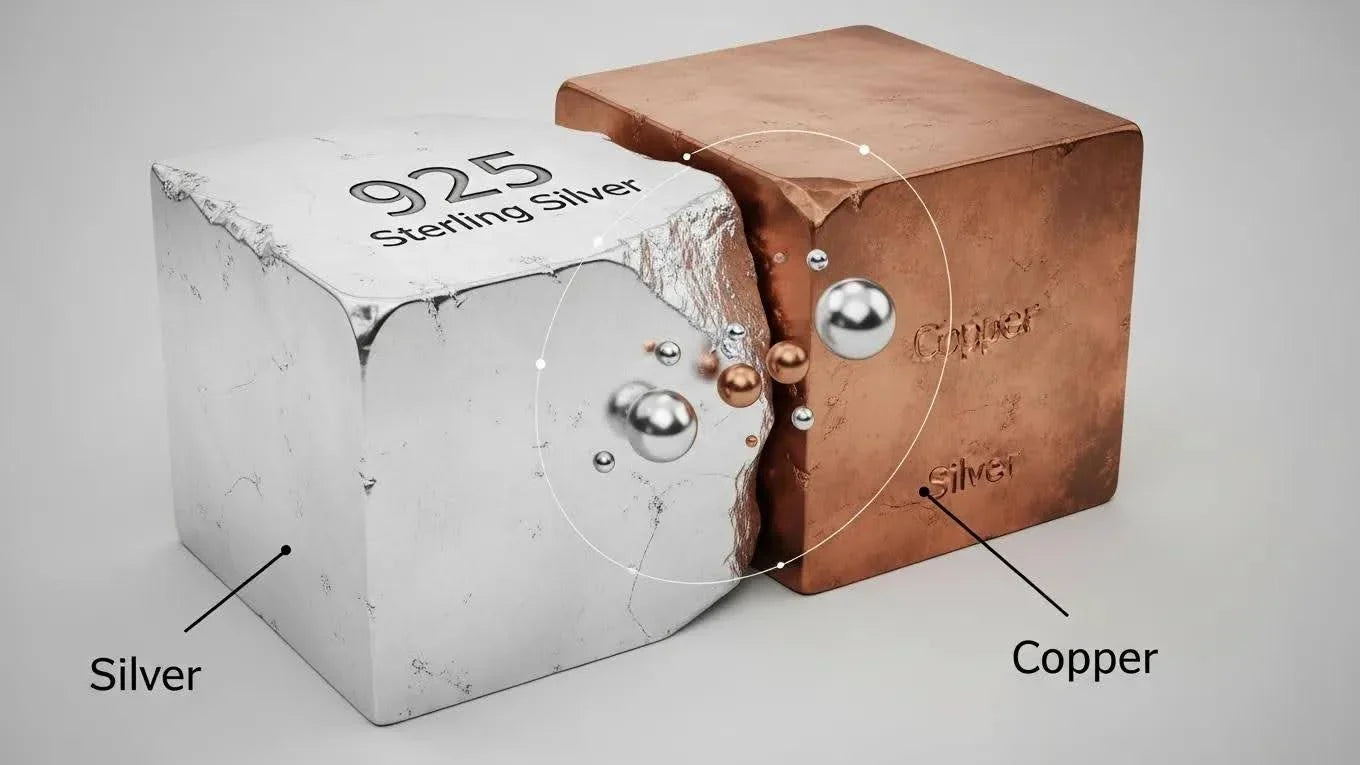
“925” sterling silver means the alloy contains 92.5% pure silver and 7.5% other metals, most often copper. The high silver content gives sterling its bright luster and reasonable durability.
The added copper strengthens the metal and can influence how the piece interacts with skin. Because nickel is a common allergen, it’s important to confirm a piece is nickel‑free when buying jewelry, especially if you react to metal. Knowing the composition helps you choose pieces less likely to cause irritation.
Purity And Hypoallergenic Performance
Higher silver content may lower reaction risk, but alloy metals and individual sensitivities still matter. For most people, pure silver is usually well tolerated.
By contrast, cheaper silver-plated items and some base-metal alloys can contain nickel and other irritants that provoke reactions. Genuine 925 sterling silver typically reduces that risk, so understanding purity is a simple way to pick safer jewelry for sensitive skin.
Composition Of 925 Sterling Silver

Besides silver, sterling is most commonly alloyed with copper. For most wearers, copper is safe, but a small number of people with metal sensitivities may still react.
Some manufacturers may use different alloys or treatments that introduce other metals, so checking the alloy and asking the seller about nickel content is a smart step when you have sensitive skin.
Is Your Skin Safe With 925 Sterling Silver?
Generally, yes, 925 sterling silver is considered safe for many people with sensitive skin, as long as the piece is nickel‑free and made from genuine sterling.
Many who have metal allergies find they can wear 925 without issues. Still, verify authenticity and composition before buying to reduce the chance of irritation and ensure a comfortable wear.
Understanding Nickel Allergies
Nickel allergies are common and usually show up as redness, itching, or blistering where the metal touches the skin. Nickel is often added to lower-cost jewelry to boost durability or cut costs, which makes it a frequent source of reactions. Avoiding pieces with nickel is the most direct way to prevent these symptoms.
Benefits Of Choosing Nickel‑free Sterling Silver
Choosing nickel‑free sterling silver removes the most common jewelry allergen from the equation. Opting for certified 925 pieces or products labeled nickel‑free gives you a better chance of wearing jewelry comfortably. Many reputable brands now offer nickel‑free options, making it easier to find attractive, safe pieces.
Why Italian 925 Sterling Silver Is Often Recommended
Italian 925 sterling silver has a reputation for quality because of strong craftsmanship and close attention to materials. Many Italian makers follow strict quality practices and finish work carefully, which often results in pieces that are free from unwanted metals like nickel. That consistency makes Italian sterling a common recommendation for those looking for hypoallergenic options.
Italian Craftsmanship And Quality Assurance

Italian artisans are known for precise techniques and rigorous finishing. When makers source high‑quality materials and maintain careful processes, the result is jewelry that’s less likely to contain nickel or other irritants.
That attention to detail also shows up in the look and feel of the piece, which is why many shoppers trust Italian sterling for sensitive skin.
Why Italian Silver Is Suitable For Sensitive Skin
The combination of high silver content, reliable sourcing, and careful finishing makes Italian sterling a good match for many people with sensitivities. While individual reactions vary, many wearers report fewer issues with well‑made Italian 925 pieces compared with low‑cost alternatives.
How You Can Identify And Care For Hypoallergenic 925 Sterling Silver
Spotting and maintaining nickel‑free 925 sterling silver is straightforward. Look for hallmarks that indicate genuine 925 silver, buy from trusted sellers, and care for pieces properly to keep them looking and performing their best.
Tips To Keep Nickel‑free Sterling Silver In Excellent Condition
To keep your jewelry in good condition, wipe it with a soft cloth after wearing to remove oils, sweat, and everyday residue. Store each piece in a cool, dry place, such as a pouch or jewelry box, to help prevent scratches and tarnish.
It is also best to remove your jewelry before using cleaning products, applying perfumes, or swimming, as chemicals can damage silver and affect comfort. Following these steps helps your nickel‑free sterling silver stay beautiful and comfortable to wear over time.
Verifying Authentic Italian 925 Silver
Check for a clear "925" stamp, inspect the overall craftsmanship, and buy from reputable retailers. Authentic Italian sterling will show fine finishing, consistent markings, and careful construction. When in doubt, ask for product details or certifications from the seller to confirm you’re getting genuine 925 silver.
Discover How Italia Chains Supports Your Sensitive Skin Needs
At Italia Chains, we offer 925 sterling silver jewelry, including chains, bracelets, rings, pendants, and earrings. If you have sensitive skin, confirm the specific piece is nickel-free and ask for alloy details before buying. Italia Chains describes its jewelry as handmade in Italy and made from 925 sterling silver.
For sensitive skin, confirm the piece is nickel-free before purchase. We provide a variety of styles along with clear metal content and care info, helping you choose the perfect nickel‑free jewelry that combines elegance with comfort.
Frequently Asked Questions
Can I wear 925 sterling silver if I have a nickel allergy?
Yes, most people with nickel allergies can wear true 925 sterling silver because it typically contains no nickel. Still, confirm the piece is genuine 925 and ask the seller about any additional plating or treatments before you buy.
How can I tell if my sterling silver jewelry is genuine?
Look for a "925" stamp and examine the piece’s finish and construction. Authentic sterling usually has a clean polish, solid joins, and no obvious seams. Buying from reputable jewelers also reduces the risk of counterfeit or low‑quality pieces.
What should I do if I experience irritation from wearing silver jewelry?
If irritation occurs, remove the jewelry and gently wash the area with mild soap and water. Apply a soothing lotion if needed, and seek medical advice if symptoms persist. Consider switching to items labeled hypoallergenic or nickel‑free going forward.
Are there alternatives to 925 sterling silver for sensitive skin?
Yes. Titanium, surgical‑grade stainless steel, and higher‑karat gold (like 14k or 18k) are often well tolerated. Non‑metal options such as medical‑grade silicone or resin are also available for people with severe sensitivities
Compartir:
The Rich History Of Sterling Silver Jewelry
Best Sterling Silver Jewelry Gifts for Men