
Updated on: 2026-07-12
Diamond cut rope design creates a crisp, reflective surface that catches light from many angles.
It is a popular choice for handmade silver jewelry because it blends classic rope styling with bright detailing.
This guide explains what the pattern is, how it is built, and how to select the right size and finish.
You will also find care tips to help your rope pieces maintain their shine over time.
Table of Contents
What Is Diamond Cut Rope Design?
Why This Rope Pattern Stands Out
Essential Tips for Choosing the Right Rope Piece
Detailed Step-by-Step Process to Choose Your Piece
Sizing and Fit Considerations
Materials and Finishes: 925 Sterling Silver and Gold Vermeil
Care and Maintenance for Long-Lasting Brilliance
Summary & Takeaway
What Is Diamond Cut Rope Design?
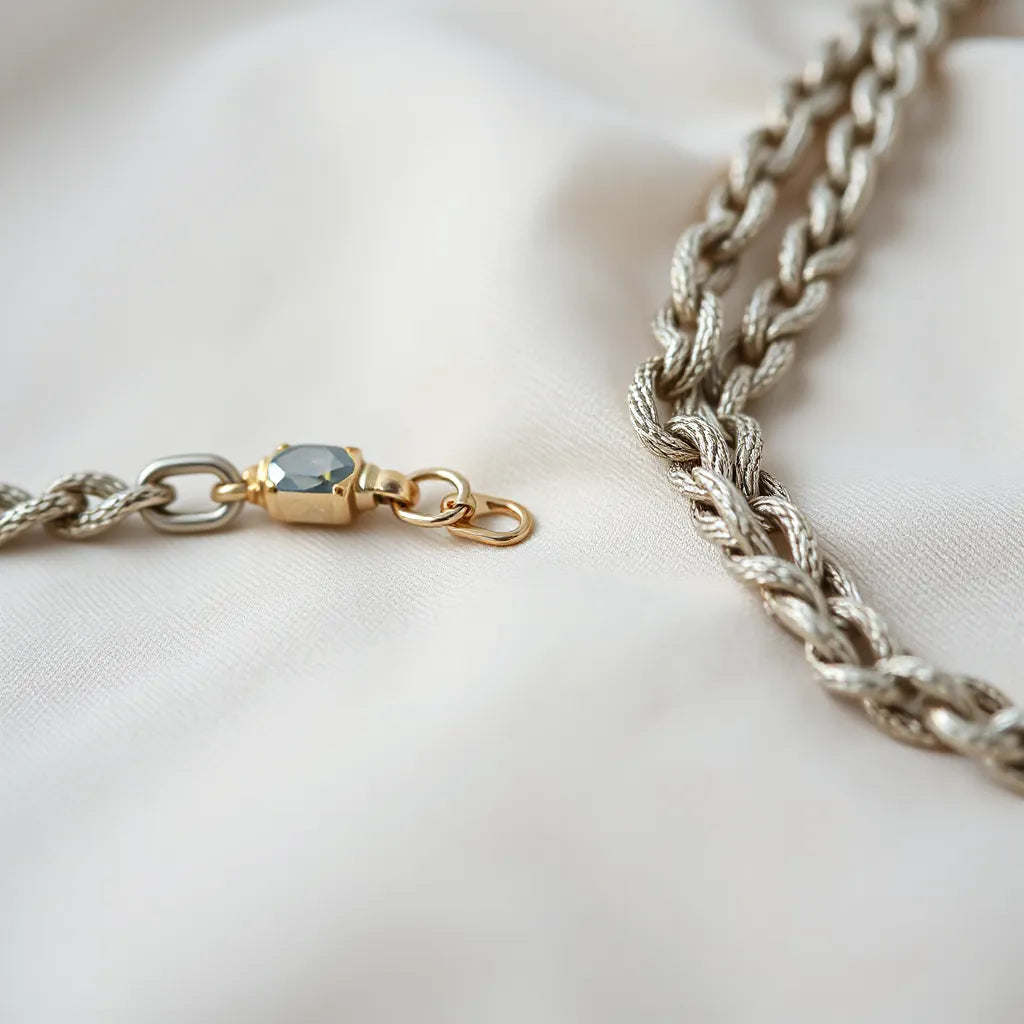
Diamond cut rope design is a rope-style jewelry pattern where the metal surface is machined to create many small, angled facets. These facets behave like tiny reflectors. When light hits them, the surface returns brightness in a controlled way, rather than producing a single flat shine. The result is a textured, sparkling look that still feels clean and refined.
Rope chains have a long history in jewelry making. The defining feature is the rope form, which typically looks round, continuous, and tightly interwoven. The diamond cut rope design refines that classic shape by adding a detailed cutting pattern along the exterior. Because the cutting is distributed across the visible surface, the sparkle remains present even as the chain shifts with movement.
In handmade silver jewelry, these facets are especially important. Silver naturally reflects light well. When the surface is also facet-cut, the brightness becomes more vivid and more dimensional. This combination is why diamond cut rope design is often chosen for everyday pieces, gifting, and styling across both casual and formal wardrobes.

Facet angles and rope texture highlighted with light rays
Why This Rope Pattern Stands Out
Diamond cut rope design stands apart for several practical reasons. First, the design creates a visible “depth” effect. Even from a short distance, the chain does not look like a plain polished tube. Instead, it appears lively, with alternating highlights and darker micro-shadows created by the cut angles.
Second, the rope silhouette remains recognizable. The rope form frames the face and neckline without turning overly bulky. This is valuable for styling because it keeps the jewelry proportionate. A diamond cut finish enhances the rope look, but it does not replace the familiar rope identity.
Third, the design supports versatility. Many people want a chain that looks attractive alone, yet also pairs well with pendants. Diamond cut rope surfaces help a pendant area remain visually crisp. They also help the chain maintain presence when layering with other textures such as smooth cable chains or classic curb links.
Finally, the design aligns well with the craftsmanship expectations of handmade silver jewelry. It demands careful finishing so that the facets remain consistent and the rope shape stays even. For brands that make jewelry in Italy and ship directly to customers, this level of finishing is often part of the production philosophy.
Essential Tips for Choosing the Right Rope Piece
- Match the cut intensity to your style goals. If you prefer subtle glow, choose a smaller rope diameter or a gentler facet profile. For a bolder statement, select a slightly larger diameter with a strong reflective surface.
- Plan for layering. If you wear necklaces together, pick one rope chain as the “light anchor.” The diamond cut facets will help it coordinate with other metals and link styles.
- Choose the right clasp type for daily wear. A secure clasp improves comfort and reduces friction from repositioning.
- Consider how the chain will move. Rope designs display light best when they can shift naturally on the skin or clothing.
- Buy from a maker-focused brand. For handmade silver jewelry and Italian production, look for clear sourcing and consistent finishing standards.
Detailed Step-by-Step Process to Choose Your Piece
Choosing diamond cut rope design jewelry becomes simple when you follow a structured approach. The steps below focus on appearance, wearability, and long-term satisfaction.
-
Define the intended use. Decide whether you want a necklace for daily wear, a bracelet for frequent wrist movement, or a chain that can support pendants. Each use case benefits from different proportions.
-
Select an appropriate diameter. Rope diameter affects how bright the piece looks. Larger diameters tend to show stronger contrast from the facets. Smaller diameters look elegant and understated.
-
Choose the metal and finish. 925 sterling silver offers a clean, classic luster. Gold vermeil provides a warm tone while retaining the reflective character of diamond cut surfaces.
-
Consider length and placement. Necklace length influences how the chain sits on the collarbone or chest. For bracelets, wrist circumference and comfort matter most.
-
Verify the construction quality. Pay attention to how evenly the rope is formed and whether the facets appear consistent across the visible portion. Consistency is a sign of stable craftsmanship.
-
Plan a care routine. Gentle cleaning and correct storage help preserve the look. This protects the reflectivity created by the diamond cut pattern.
Below is a representative product choice within the diamond cut rope design family. It demonstrates how the style can work beautifully for bracelets while keeping a bright, textured appearance.
925 Sterling Silver 2mm Diamond Cut Rope Bracelet

Sizing and Fit Considerations
Fit is often the difference between jewelry that feels seamless and jewelry that becomes an adjustment point. For diamond cut rope design, the texture draws attention, so comfort matters even more. A chain that shifts too aggressively can tangle with clothing fibers and reduce the clean visual line you expect.
For necklaces, consider the effect of length. Short lengths tend to sit closer to the neck and display the facets strongly during everyday movement. Longer lengths create a calmer drape and are well suited for layered looks. If you plan to attach a pendant, ensure the chain length leaves the pendant centered without pulling the rope out of its natural lay.
For bracelets, select a size that allows slight movement without sliding off the wrist. The rope shape is round and reflective, which can feel more pronounced when the fit is too loose. When the bracelet is the right size, the diamond cut pattern becomes an intentional detail rather than a distraction.
If you are unsure, measure an existing piece that fits comfortably. Compare the inner circumference for bracelets or the chain length for necklaces. Consistent measurements help you choose confidently.

Neckline and wrist fit guides with measuring rulers
Materials and Finishes: 925 Sterling Silver and Gold Vermeil
Diamond cut rope design is commonly offered in 925 sterling silver because silver supports bright reflection. It also pairs well with a range of skin tones and clothing colors. Many buyers prefer sterling silver for its classic character and for the ease of styling with other pieces.
Gold vermeil is another strong option, particularly for buyers who want warmth without choosing a fully gold composition. Vermeil typically provides a gold-colored finish over a sterling silver base. When paired with diamond cut rope detailing, the warm tone still produces highlights and micro-sparkle.
When choosing between these finishes, evaluate your wardrobe. If you wear silver-toned accessories more often, sterling silver will naturally coordinate. If you mix metals frequently, either option can work, but a consistent finish across your collection often produces a more deliberate look.
To explore specific rope chain diameters in sterling silver, you can review these relevant options from Italia Chains:
Italia Chains focuses on handmade silver jewelry and makes jewelry in Italy. It also ships directly to the customer, which helps maintain a consistent purchasing experience and reduces unnecessary steps between the maker and the wearer.
Care and Maintenance for Long-Lasting Brilliance
Diamond cut rope design relies on facet reflection. Over time, dust, skin oils, and residues from lotions can reduce shine. Proper care helps the facets stay visually crisp.
- Clean gently and consistently. Use a soft cloth to remove surface smudges after wear. For deeper cleaning, use mild soap and lukewarm water, then dry thoroughly.
- Avoid abrasive materials. Do not use harsh brushes or polishes that can dull edges. The goal is to remove residue, not to wear down the cut pattern.
- Store with care. Keep rope jewelry separated from other metal items to reduce micro-scratches. A soft pouch or lined storage box is ideal.
- Minimize exposure to harsh chemicals. Chlorine, strong detergents, and some hair products can affect luster. Remove jewelry before swimming or applying chemicals.
- Use realistic routines. A short wipe-down after each wear maintains reflectivity more effectively than waiting for heavy buildup.
With responsible care, the diamond cut finish remains clear. You preserve both the visual texture and the smooth wearing experience that rope designs provide.
Summary & Takeaway
Diamond cut rope design delivers a balanced combination of rope elegance and facet-driven sparkle. The look is dimensional, versatile, and well suited to handmade silver jewelry because it highlights craftsmanship and finishing quality. By selecting the right diameter, metal finish, and fit, you ensure the jewelry remains comfortable and visually consistent across daily movement.
If you want to refine your collection, choose a rope chain that matches your style goals and pair it with a simple care routine. This approach maintains the bright character created by the cut pattern for the long term.
Q&A Section
How does diamond cut rope design differ from a smooth polished rope chain?
A smooth polished rope chain reflects light evenly across a flat surface. Diamond cut rope design introduces multiple small angled facets, which creates alternating highlights and deeper micro-contrast. This adds visible depth and a more dynamic sparkle as the chain moves.
Will the sparkle of a diamond cut rope design fade over time?
With proper care, the facet detail typically remains visually strong. Shine can diminish when residues build up or when jewelry is exposed to harsh chemicals. Gentle cleaning, safe storage, and avoiding abrasive tools help preserve the reflective character.
Which diameter works best for layering necklaces?
Layering success depends on proportion. Smaller diameters generally feel lighter and blend well with other fine chains. Medium diameters often serve as a clear focal rope texture. For confident layering, choose one rope piece as the brightness anchor and keep other chains either smoother or intentionally thinner.
Is diamond cut rope design suitable for everyday wear?
Yes. Rope structures are designed to sit comfortably and move naturally. The diamond cut finish also helps the piece look vibrant even between cleanings. Consistent care supports durability and long-term luster.
About the Author Section
Mike Luciano
Mike Luciano is a jewelry industry specialist with expertise in silver craftsmanship, chain engineering, and design selection for everyday wear. He focuses on how materials, finishing, and fit work together to create jewelry that looks intentional and feels comfortable. His goal is to help buyers understand styles like diamond cut rope design with clarity and confidence. He welcomes thoughtful questions from customers who want guidance before purchase.
Disclaimer: This article provides general guidance on jewelry selection and care. Individual results may vary based on wear patterns, environmental exposure, and maintenance habits. For specific cleaning recommendations, follow the care instructions provided with your jewelry and consult a qualified professional if needed.
Compartir:
Unisex Bracelet Styling Tips for Effortless Everyday Looks
Sensitive Skin Treatments: Gentle Care That Works