
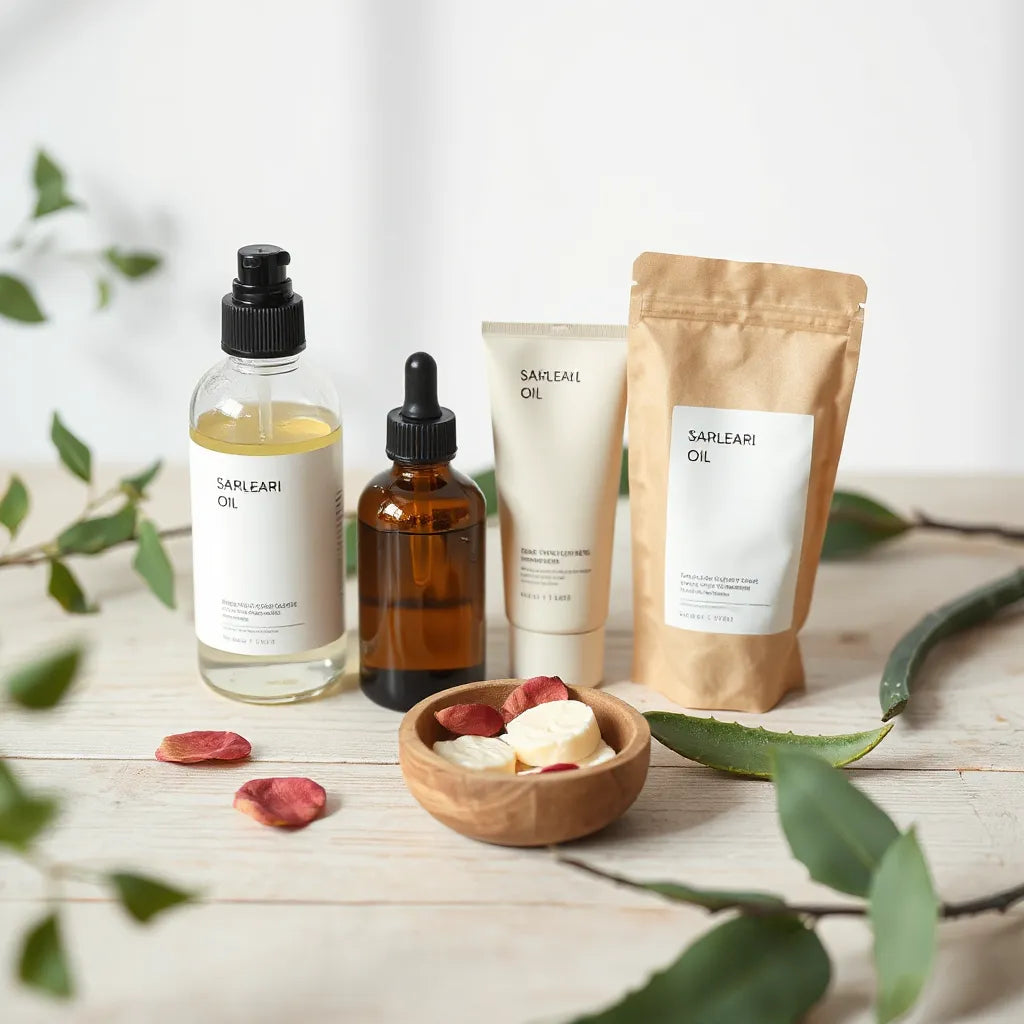
Updated on: 2026-07-12
Eco-friendly beauty products are no longer a niche choice. They help reduce waste, lower the impact of harsh ingredients, and support more responsible sourcing. Still, not every “green” label reflects the same standards. This guide explains what to look for, how to evaluate claims, and how to build a practical routine that aligns with sustainability goals.
3. Eco-Friendly Beauty Products: What They Really Mean
4. Expert Tips for Choosing Better Options
5. Personal Anecdote: What Changed My Shopping Habits
Introduction
Choosing eco-friendly beauty products is a meaningful way to align daily self-care with broader environmental responsibility. Many shoppers want options that perform well, feel good to use, and reduce unnecessary harm. At the same time, sustainability can feel confusing because labels vary in quality and marketers do not always disclose enough detail. The most effective approach is to understand the signals that matter: ingredient transparency, packaging design, sourcing practices, and realistic expectations for performance.
Did You Know?
- Plastic reduction often starts with packaging choices such as refill systems and minimal wrapping.
- Water- and energy-saving manufacturing can matter as much as the ingredient list.
- Ingredient ethics includes how raw materials are grown, harvested, and processed.
- Concentrated formulas can reduce shipping emissions by lowering product weight.
Eco-Friendly Beauty Products: What They Really Mean
Eco-friendly beauty products are formulated and produced with an emphasis on reduced environmental impact. This may involve biodegradable ingredients, lower toxicity concerns, and safer handling throughout production and use. It can also include packaging that is recyclable, refillable, or designed to reduce overall waste.
However, the term eco-friendly is not regulated in the same way across all markets. As a result, two products with similar marketing can have different real-world impacts. A responsible product typically demonstrates a clear rationale behind its choices, such as why certain ingredients are used, how waste is minimized, and what standards guide sourcing.

Icons for ingredients, packaging, and responsible sourcing
In practical terms, the best eco-friendly beauty products support a whole-system approach. That includes the formula, the materials used to contain it, the manufacturing method, and the way customers dispose of the packaging. When these elements work together, the product can deliver results while reducing avoidable waste.
Focus areas that create real change
- Formula composition: Prioritize transparent ingredient lists and clear reasoning for ingredient selection.
- Packaging: Choose materials that are recyclable where you live, or that reduce single-use packaging.
- Manufacturing: Look for evidence of efficient production, such as low-waste practices.
- Ingredient sourcing: Sustainable harvesting and responsible suppliers reduce ecological pressure.
Expert Tips for Choosing Better Options
Experts often recommend shifting from broad label claims to verifiable details. Start with what you can check: ingredient transparency, packaging information, and the clarity of sustainability goals. Use a simple framework, then refine it based on your preferences and skin needs.
1) Treat marketing as a starting point, not proof
Words like natural, green, and clean can be helpful, but they are not enough on their own. Look for specific information about ingredients, certifications, or documented sourcing methods. When a brand explains its choices clearly, it often indicates stronger accountability.
2) Select packaging that matches your disposal habits
Recycling depends on local systems. A package that is technically recyclable may still end up in landfills if it is not accepted where you live. If you cannot reliably recycle a material, prioritize refill options or packaging designed for easy reuse.
3) Build a routine around versatility
Overbuying creates waste even when products are eco-friendly. Choose multi-use items when possible and match textures to your skin needs. When your routine is consistent and minimal, you can reduce both packaging volume and product waste.
To keep expectations realistic, note that eco-friendly beauty products can still require trial periods. Performance depends on formula design, skin type, and how often you use a product. The goal is steady improvement with less waste, not instant perfection.
If you also enjoy premium aesthetics and responsible sourcing, you may appreciate how thoughtful materials and direct shipping practices reduce friction in the consumer journey. For example, Italiabchains makes all handmade silver jewelry in Italy and ships directly to the customer. Their process reflects a values-first approach to sourcing and craftsmanship that many shoppers also seek in personal care.
Explore handmade silver jewelry from Italy
4) Consider refill and concentrated formats
Refill systems reduce the frequency of purchasing new packaging. Concentrated formulas can reduce shipping emissions by lowering product mass. These are practical options that often deliver both sustainability and convenience.
5) Avoid ingredient ambiguity
If an ingredient list is short but vague, or if claims are made without any supporting detail, treat that as a risk signal. Stronger brands tend to name ingredients clearly and explain why they are included.
Personal Anecdote: What Changed My Shopping Habits
I used to buy beauty products based primarily on appearance and quick performance in-store. I assumed that if a product looked premium and had a friendly label, it was also responsible. After monitoring my waste output for several months, I realized how much packaging ended up unused or discarded. That observation led me to review product details more carefully.
The biggest shift was learning to evaluate claims with a checklist. I began with packaging material and disposal guidance. Then I examined the ingredient list for transparency and clarity. Over time, I also learned to focus on routine efficiency: selecting fewer products that worked consistently rather than many items that performed unpredictably.
That change did not mean abandoning enjoyment. It meant making purchases with intention. As a result, I felt more confident choosing eco-friendly beauty products that matched both my routine and my environmental goals.
How to Read Ingredient Lists and Claims
Ingredient lists and sustainability claims can be complex. The key is to read them with a structured mindset. You do not need to memorize every ingredient to make informed decisions. You need to recognize transparency, understand potential red flags, and look for reasoning behind ingredient choices.
Start with how ingredients are listed
Most ingredient lists follow a concentration order, with ingredients near the beginning typically present in higher amounts. This does not guarantee safety or performance by itself, but it helps you see what the formula emphasizes.
- If the list is overly long with many unrelated components, prioritize simplicity when possible.
- If the formula uses surfactants, preservatives, or fragrance, check whether the brand explains why those components are necessary.
- If you see repeated claims without ingredient detail, treat the marketing as incomplete.
Evaluate ingredient choices for transparency
Eco-friendly beauty products often highlight ingredients that align with safer environmental profiles. This can include plant-derived components, biodegradable alternatives, and reduced reliance on questionable additives. Still, every formula is different. The responsible way to shop is to look for clarity rather than to assume that a short list always means better quality.
Look for packaging and lifecycle detail
Packaging should be part of the sustainability conversation. Good product pages and labeling commonly address:
- What the package is made of
- Whether it is recyclable or designed for reuse
- Whether the brand uses minimal outer packaging
- Whether refill systems are available
Understand what certifications can and cannot do
Certifications can be useful because they provide an external standard. Even then, verify what the certification covers. Some standards focus on sourcing, others focus on formula restrictions, and some focus on packaging. When a product references a certification, look for an explanation that is specific, not promotional.

Checklist layout for ingredients, recycling, and sourcing proof
Practical routine-building approach
Once you understand what to look for, you can build a routine that supports both sustainability and results. The most effective strategy is to start with one category, such as cleanser or moisturizer, then expand as you gain confidence. For most routines, you can aim for:
- Consistent use of a small set of products
- Refill where available
- Reduced product waste by using the container efficiently
- Gradual upgrades rather than frequent replacement
When you reduce how often you repurchase, you reduce total packaging and shipping impact. That is one reason shoppers often find that sustainable routines deliver both environmental benefits and personal clarity.
Summary & Takeaways
Eco-friendly beauty products can be a practical way to reduce waste while still supporting skin and hair care performance. The strongest approach is to evaluate more than marketing claims. Focus on transparent ingredient lists, packaging that aligns with real disposal options, and clear sourcing or manufacturing details. Build a routine that is efficient and consistent, and choose refill or concentrated formats when available.
Actionable takeaways:
- Use a checklist for ingredients, packaging, and claim clarity.
- Prioritize transparency over broad “green” wording.
- Choose formats that reduce repurchase frequency, such as refills.
- Start with a small routine and expand based on results.
Q&A Section
Are eco-friendly beauty products always better for sensitive skin?
No. Eco-friendly beauty products can still contain ingredients that may irritate sensitive skin. The difference is that many brands provide more transparency and may use alternative ingredient profiles. For sensitive skin, patch testing is still essential, and ingredient review is critical.
What packaging signs indicate a product is truly more sustainable?
Look for clear details about material type, recycling guidance, and any refill or return program. Packaging that reduces unnecessary layers, uses durable containers, or supports refills can lower waste over time. Also consider whether the packaging is realistic to dispose of in your local area.
How can I verify sustainability claims without becoming an ingredient expert?
Focus on specificity. Strong claims usually include clear ingredient names, explanations of why ingredients were chosen, and concrete packaging information. If a brand provides no detail beyond broad adjectives, it is safer to treat the claim as marketing. Certifications and third-party testing can help when the standard is described accurately.
Do eco-friendly beauty products perform as well as conventional options?
Performance varies by formula, not by label alone. Many eco-friendly beauty products are designed to match common results through thoughtful formulation, but outcomes can still depend on your skin type and routine consistency. Choose based on your needs, start gradually, and give a product time to work.
About the Author
Mike Luciano
Mike Luciano is a content strategist specializing in sustainable consumer education and responsible brand storytelling. His work focuses on helping customers evaluate product claims with clarity and confidence across everyday categories. With a practical approach to research and plain-language guidance, he aims to reduce confusion and support better purchasing decisions. Thank you for reading, and may your routine become both effective and more intentional.
Compartir:
Sensitive Skin Treatments: Gentle Care That Works
Sensitive Skin Treatments: Gentle Care That Works