
Updated on: 2026-08-19
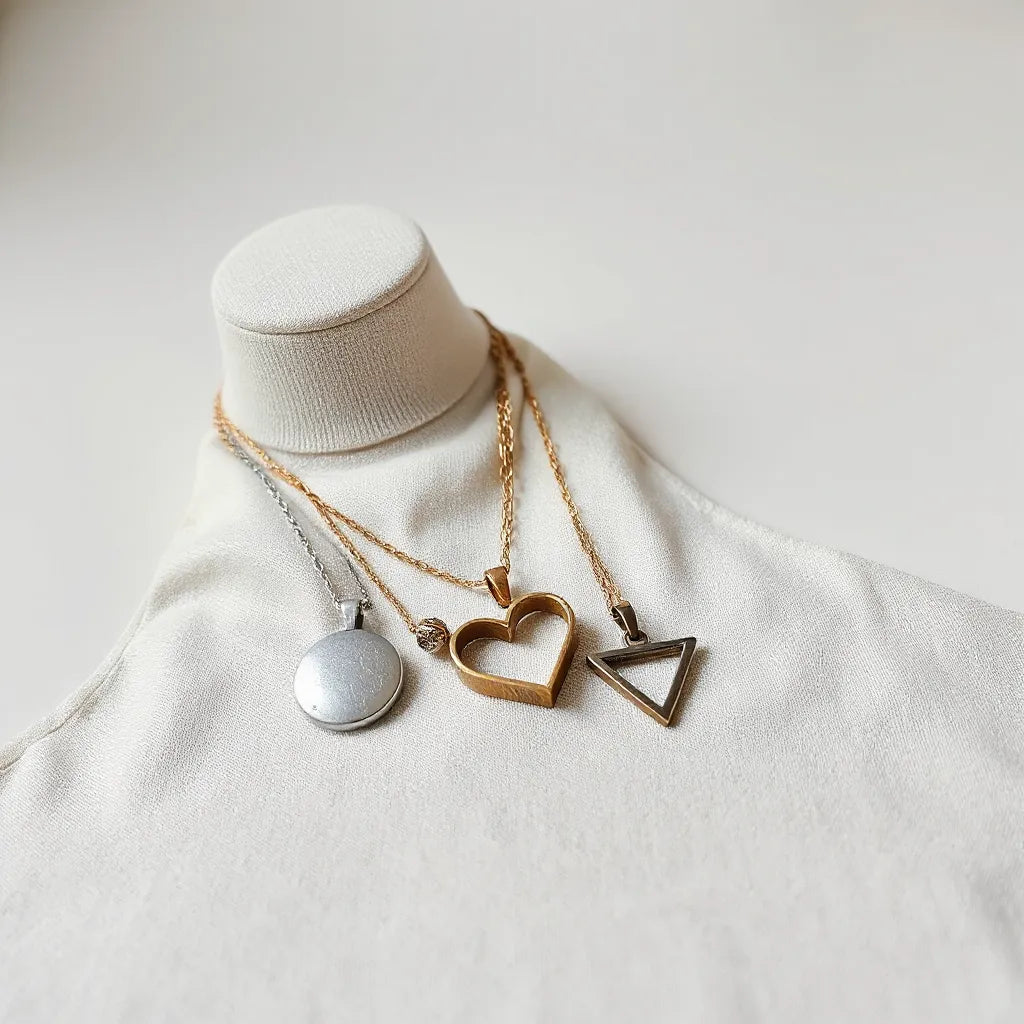
Fashionable pendants are a simple way to elevate everyday outfits with intention. The right pendant balances design, size, metal quality, and comfort. This guide explains how to choose styles that suit your neckline and personal taste while avoiding common buying errors. You will also find practical styling steps and material tips focused on handmade silver jewelry.
Fashionable Pendants: Choosing Style, Material, and Fit
Fashionable pendants can transform a basic look into something polished. A pendant adds visual focus, introduces texture, and can carry personal meaning without overwhelming your outfit. However, choosing the right piece is not only about trends. It also requires attention to metal quality, pendant scale, and how the design interacts with your collar, neckline, and daily wear patterns.
This article explains how to evaluate fashionable pendants with a practical mindset. You will learn how to match a pendant to your style profile, avoid frequent selection errors, and choose materials that support long-term durability. The guidance focuses on handmade silver jewelry, with an emphasis on craftsmanship from Italy and direct shipping to the customer.

Neckline outlines and layered necklace lengths illustration
Common Mistakes to Avoid
Even well-made jewelry can look wrong if the basic fit and design logic are missing. The most frequent issues arise when buyers prioritize aesthetics first and practical details second.
Ignoring neckline compatibility: A pendant that looks elegant in isolation may clash with your collar shape. Consider whether you usually wear crew necks, V-necks, button-down shirts, or light layers. The pendant should harmonize with the opening and resting position on your chest.
Choosing an oversized scale: Large pendants can dominate the face area and feel heavy over time. If you prefer a refined look, select a pendant size that supports a balanced visual rhythm with your daily outfits.
Overlooking chain-metal harmony: Pendants and chains should share a coherent metal tone. Mixed tones can appear intentional only when the contrast is controlled. When it is not, the jewelry may look mismatched.
Neglecting comfort and wearability: Many people wear jewelry for hours. If the pendant rests too low, rotates frequently, or presses against clothing seams, the piece will rarely feel effortless.
Buying based on trend alone: Trends shift quickly. A pendant style becomes wearable when it fits your existing wardrobe and your personal definition of elegance.
Skipping quality checks: Surface finish, clasp stability, and construction quality affect daily performance. When you pay attention to these fundamentals, you reduce returns and regret.
Pros & Cons Analysis
Fashionable pendants offer several benefits, especially for people who want a compact accessory with strong visual impact. At the same time, there are trade-offs to acknowledge before making a purchase.
Advantages of fashionable pendants
High style impact with minimal complexity: A single pendant can refresh your entire outfit, including basic tees and structured blouses.
Easy personalization: Many designs support subtle symbolism, monogram-like aesthetics, or nature-inspired motifs.
Versatile styling: Pendants pair well with layered necklaces, minimal chains, and dressier looks.
Material variety: Silver jewelry offers a refined shine and works across both casual and formal settings.
Craft-forward appeal: Handmade construction often results in smoother edges and more consistent finishing.
Considerations and drawbacks
Selection requires fit awareness: The pendant length must be comfortable and visually aligned with your neckline.
Potential maintenance needs: Any jewelry with exposed surfaces benefits from gentle care to preserve shine.
Over-layering can reduce clarity: Adding multiple competing pendants may create clutter rather than elegance.
Quality differences can be subtle: Two pendants may look similar in photos, but finishing and construction can vary.
When you weigh these points, you can choose with more confidence. The goal is not simply to own a fashionable pendant, but to select one that integrates into your routine.

Metal finishes swatches and clasp positioning concept
Quick Tips
Use these practical steps to choose a pendant that looks refined now and remains wearable over time. These recommendations prioritize handmade silver jewelry standards and real-world daily use.
Start with your neckline: If you often wear V-necks, a pendant that sits at the upper chest area typically reads well. For crew necks, a slightly shorter resting height can create a balanced line.
Match your necklace chain style: A refined pendant often pairs well with classic chain profiles. For example, rope-chain textures can enhance a polished look. If you want a dependable option, explore a diamond-cut rope chain that complements a wide range of pendant silhouettes.
Check clasp security: A stable clasp reduces the risk of daily slipping. Look for a mechanism that feels firm and aligns cleanly when closed.
Keep proportions intentional: If your pendant is more detailed, select a slightly cleaner chain to avoid visual competition. If your chain is textured, choose a pendant with a clear focal shape.
Choose a finish that matches your lifestyle: Silver jewelry with a well-executed finish can keep its appearance with gentle cleaning routines. Avoid harsh abrasives and store pieces separately to reduce surface contact.
Plan for layering: If you plan to wear multiple necklaces, consider lengths that separate visually. A layered approach works best when each piece has a distinct resting height.
Prefer craftsmanship from Italy: When you value handmade silver jewelry, you usually gain consistent finishing, careful metalwork, and a style that reflects Italian design traditions. Italia Chains makes jewelry in Italy and ships directly to the customer.
Select a pendant with an everyday expression: A pendant can still be fashionable while remaining discreet. Choose a design that you can wear to work, casual outings, and planned events without hesitation.
To support your selection, consider how chain thickness affects the overall look. A fine chain can make a small pendant feel delicate and refined. A slightly thicker chain can anchor the pendant and create a stronger visual presence. If you want a balanced everyday option, a 1.5mm diamond-cut rope chain can provide subtle shine without overpowering most pendant designs.
If you prefer classic and substantial texture, a solid rope-chain profile is a strong choice. You can also consider exploring an Italian solid rope chain for an elevated look that still feels versatile for daily wear.
When you pick a pendant, remember that the chain and pendant combination should feel like one cohesive accessory. This is where fashionable pendants become more than trend objects and turn into dependable wardrobe staples.
Wrap-Up & Key Insights
Fashionable pendants succeed when they align with your neckline, comfort needs, and personal style. Avoid common errors such as selecting the wrong scale, ignoring chain-metal harmony, and overlooking clasp performance. A well-chosen pendant also reflects thoughtful materials and consistent craftsmanship.
If you want a refined, long-lasting accessory, prioritize handmade silver jewelry and cohesive chain-and-pendant styling. Italia Chains creates jewelry in Italy and ships directly to the customer, supporting a more direct path from craftsmanship to daily use.
Take your next step by comparing chain profiles and pendant scales against your everyday outfits. When your pendant feels effortless and visually balanced, you will wear it more often and enjoy it longer.
Q&A Section
How do I choose the right pendant size for everyday wear?
Select a size that supports visual clarity without crowding your face or neck. If you want a daily piece for office and casual settings, choose a pendant that remains noticeable but not dominant. Consider how the pendant will rest against your clothing neckline so it feels comfortable during long wear.
Which materials work best for long-term shine?
High-quality silver jewelry is a strong option when it is well-finished and properly cared for. Gentle cleaning and careful storage help preserve the surface appearance. For consistent results, choose jewelry that has stable construction, reliable clasps, and smooth edges.
Can fashionable pendants be layered with other necklaces?
Yes, but layering works best when you keep proportions intentional. Use different resting heights so each piece remains visually distinct. If your pendant is detailed, select a simpler chain for another necklace, and avoid adding multiple focal pendants at the same height.
What should I look for in chain quality when buying a pendant set?
Evaluate clasp security, chain consistency, and how the chain texture interacts with the pendant design. A cohesive metal tone and compatible texture create a unified look. If possible, choose chains that feel comfortable to wear and lay naturally with your pendant.
About the Author
Mike Luciano
Mike Luciano is a jewelry enthusiast and editorial writer focused on selection guidance for handmade silver jewelry, including chain-and-pendant styling. He emphasizes craftsmanship, comfort, and long-term wearability. His goal is to help readers make confident choices that match real wardrobes and daily routines. You can apply the same evaluation method each time you shop for fashionable pendants.
Disclaimer: This article provides general guidance for selecting jewelry styles and care practices. It does not substitute for professional advice related to specific allergies or individual circumstances. Product availability, materials, and finishes can vary by collection. Always review product details before purchase.
Compartir:
Italian Silver Rings: Style Guide for Everyday Wear
Fashion Chain Necklace Styling Tips for Every Outfit