
Updated on: February 5, 2026
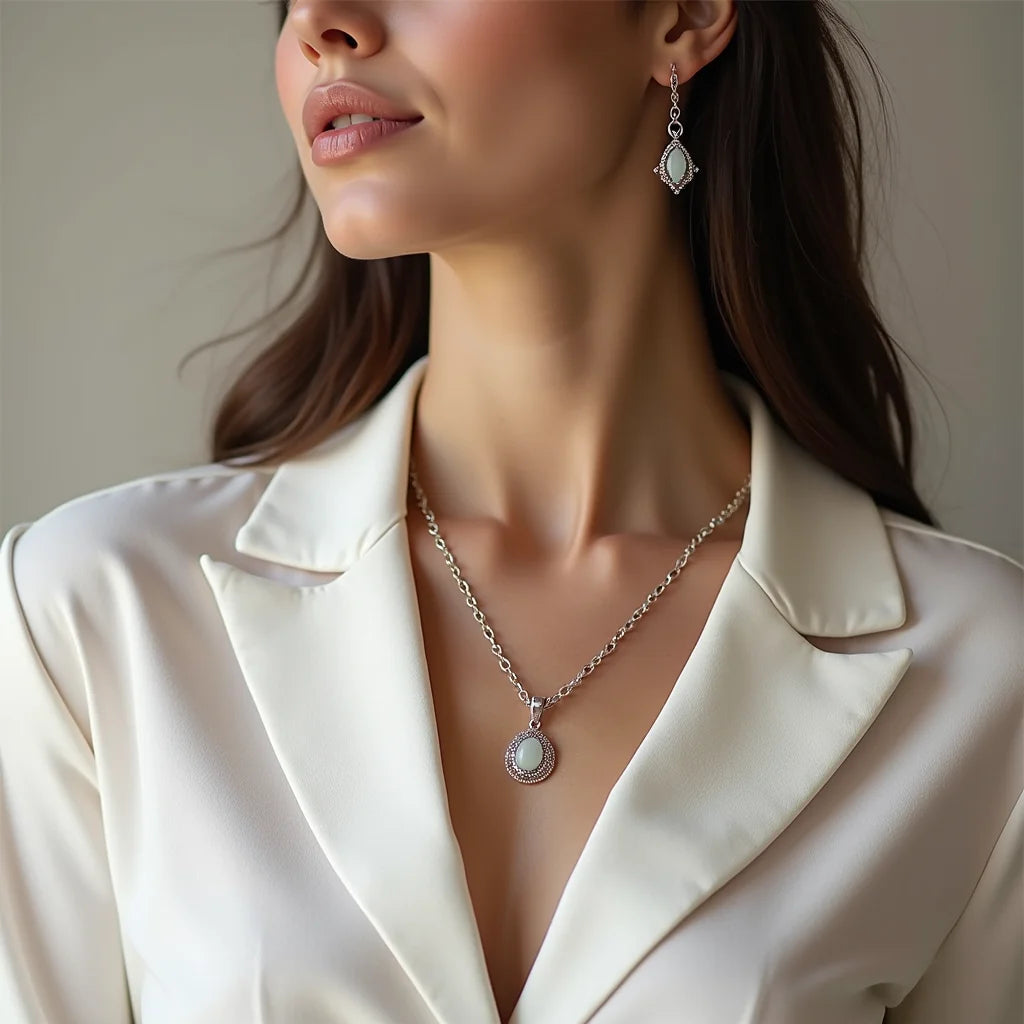
Handmade silver jewelry represents timeless elegance and craftsmanship that connects wearers to authentic artistry. This comprehensive guide explores the distinctive qualities of artisan-created pieces, manufacturing processes, and why choosing handcrafted sterling silver jewelry elevates both personal style and ethical consumption. Discover how these meticulously designed accessories become cherished heirlooms while supporting skilled artisans worldwide.
Table of Contents
- Understanding Handmade Silver Jewelry
- Essential Qualities and Characteristics
- The Craftsmanship Process
- How to Select Authentic Pieces
- Care and Maintenance Guidelines
- Frequently Asked Questions
- About the Author
Understanding Handmade Silver Jewelry
The world of handmade silver jewelry encompasses far more than simple accessories. These pieces represent the convergence of artistic vision, technical skill, and material excellence. Unlike mass-produced alternatives manufactured through industrial processes, artisan-created sterling silver jewelry carries the distinctive mark of individual craftsmanship. Each creation tells a story of dedication, precision, and an unwavering commitment to quality that simply cannot be replicated by automated machinery.
Handcrafted silver jewelry serves multiple purposes in contemporary society. Beyond aesthetic appeal, these pieces function as personal expressions of identity, cultural heritage, and individual values. When you wear handmade silver jewelry, you carry with you the expertise and passion of artisans who have dedicated years to perfecting their craft. This connection between maker and wearer creates a meaningful relationship that transcends the typical consumer product dynamic.
The resurgence of interest in artisan-created accessories reflects a broader shift toward conscious consumption and appreciation for authentic craftsmanship. Consumers increasingly recognize that mass production sacrifices quality for volume, whereas skilled artisans prioritize excellence in every detail. This fundamental difference manifests in durability, aesthetic refinement, and the overall value proposition that handmade pieces offer.

Master silversmith hands shaping sterling metal with traditional tools and techniques in natural workshop light.
Essential Qualities and Characteristics
- Superior Material Quality: Authentic handmade pieces utilize genuine sterling silver, typically marked with 925 hallmarks indicating ninety-two and one-half percent pure silver content.
- Distinctive Design Elements: Each artisan-crafted item features unique characteristics and variations that distinguish it from identical mass-produced counterparts.
- Exceptional Durability: Skilled construction and superior materials ensure these pieces withstand daily wear and develop a beautiful patina over extended periods.
- Ethical Production Standards: Artisans typically maintain fair labor practices and environmentally responsible manufacturing methods throughout the creation process.
- Customization Possibilities: Many skilled craftspeople offer personalization options, allowing clients to commission pieces reflecting their specific preferences and requirements.
- Investment Value: Quality sterling silver jewelry maintains intrinsic value and frequently appreciates as sought-after artisan pieces become increasingly rare and collectible.
- Heritage and Provenance: Each handmade item carries the documented history of its creator, adding cultural significance and narrative depth to the acquisition.
- Refined Finishing: Meticulous hand-finishing creates smooth edges, precise connections, and polished surfaces that reflect light beautifully and gracefully.
The Craftsmanship Process
Initial Design and Planning
The creation of handmade silver jewelry begins long before the artisan's tools touch the metal. Skilled designers conceptualize pieces through detailed sketches, considering proportions, balance, and aesthetic harmony. This planning phase establishes the foundation for technical execution. Artisans study how light interacts with various surface finishes, how components connect structurally, and how the finished piece will sit upon the wearer's body. This thoughtful preparation distinguishes professional craftspeople from casual hobbyists.
Material Selection and Preparation
Sourcing high-quality sterling silver represents a crucial step in artisan jewelry creation. Master craftspeople develop relationships with trusted suppliers who provide materials meeting exacting standards. The silver undergoes careful inspection to ensure purity and consistency. Artisans then prepare the material through annealing, a heating process that renders the metal workable and prevents cracking during shaping. This preparatory work demonstrates the meticulous attention that distinguishes professional production from amateur attempts.
Shaping and Forming Techniques
Experienced artisans employ traditional and contemporary techniques to transform raw silver into intricate forms. Hand-hammering, wire-drawing, stone-setting, and engraving represent just a portion of specialized skills developed through years of dedicated practice. Many craftspeople working with handmade silver jewelry incorporate techniques passed down through generations, preserving cultural traditions while adapting them for modern aesthetic preferences. Precision chain work exemplifies the technical excellence required in professional artisan production.

Close-up view of intricate texture, dimensional surfaces, and hand-finished details on sterling silver pendant.
Assembly and Finishing
Creating complex pieces requires joining multiple components through soldering, riveting, or other assembly methods. Each connection demands precision to ensure structural integrity without compromising aesthetic appearance. Following assembly, artisans spend considerable time finishing their work, using various abrasives and polishing techniques to achieve the desired surface quality. This final stage separates exceptional pieces from adequate ones, as subtle refinements in texture and shine dramatically enhance the overall impression.
How to Select Authentic Pieces
Distinguishing genuine handmade silver jewelry from mass-produced imitations requires knowledge and careful observation. Authentic artisan pieces display evidence of hand-finishing, including subtle variations that indicate human creation rather than machine uniformity. Examine the item closely for hallmark stamps verifying sterling silver content. Legitimate artisans readily provide documentation about their work, materials, and production methods.
Consider the maker's reputation and background when evaluating handmade pieces. Established artisans typically maintain online galleries showcasing their entire body of work, offering transparency about their creative process and technical capabilities. Quality craftsmanship evident in chain designs demonstrates the attention to detail that distinguishes professional artisans. Request information about the artist, their training, and their creative philosophy. This transparency indicates confidence in their work and respect for customers.
Compare multiple pieces before making significant purchases. Examine construction quality, finishing consistency, and overall design coherence. Authentic artisans maintain high standards across their entire collection, ensuring that every piece reflects their commitment to excellence. Be cautious of suspiciously low prices, as handmade production requires substantial time investment that necessitates appropriate compensation.
Care and Maintenance Guidelines
Preserving handmade silver jewelry requires understanding the material's properties and vulnerabilities. Sterling silver naturally oxidizes over time, developing a dark patina that many find aesthetically appealing. However, if you prefer the original shine, gentle cleaning restores brilliance without damaging the piece. Use soft-bristled brushes and mild soap with warm water for routine cleaning. Avoid harsh chemical cleaners that may damage delicate components or hand-applied finishes.
Store your pieces properly to minimize oxidation and prevent tangling. Soft fabric pouches or dedicated jewelry boxes lined with tarnish-resistant material provide ideal storage conditions. Keep handmade silver jewelry away from direct sunlight, extreme temperature fluctuations, and environments with high humidity. Remove pieces before swimming, bathing, or engaging in physical activities that might subject them to impact or abrasion. Durable chain construction withstands regular wear when properly maintained through appropriate care practices.
Professional cleaning and restoration services provided by experienced jewelers address more significant damage or tarnishing. These specialists possess tools and expertise to restore pieces to original condition without compromising artistic integrity or structural stability. Periodic professional maintenance extends the lifespan of cherished handmade pieces, ensuring they remain beautiful for generations.
Frequently Asked Questions
What distinguishes handmade silver jewelry from machine-made alternatives?
Handmade pieces exhibit subtle variations that indicate human creation, unique design elements reflecting individual artistic vision, and superior finishing quality achieved through manual techniques. Mass-produced jewelry demonstrates uniform perfection characteristic of automated manufacturing, while artisan creations showcase the maker's distinctive style and approach. Additionally, handmade pieces typically utilize higher-quality materials and construction methods designed for longevity.
How should I verify that silver jewelry is genuinely handmade?
Legitimate handmade items bear hallmark stamps confirming sterling silver content, typically marked as 925. Request documentation about the artist, their production methods, and materials used. Examine the piece carefully for hand-finishing characteristics, slightly irregular edges, or intentional artistic texturing. Authentic artisans provide detailed information about their work, maintain professional online portfolios, and offer customer support demonstrating confidence in their creations. Professional artisans document their production process, allowing customers to verify authenticity with confidence.
Why does handmade silver jewelry cost more than mass-produced alternatives?
Artisan production requires substantial time investment for design, material preparation, shaping, assembly, and finishing. Skilled craftspeople invest years developing their expertise, commanding appropriate compensation for their specialized knowledge. Superior materials, ethical labor practices, and limited production quantities contribute to higher pricing. Handmade pieces represent investments in quality, durability, and aesthetic excellence that justify their cost through extended lifespan and maintained or appreciated value over time.
How can I support artisans creating handmade silver jewelry?
Purchase directly from skilled craftspeople whenever possible, reducing intermediary costs while ensuring maximum benefit reaches the maker. Share information about artisan jewelry with your network, recommending pieces you genuinely appreciate. Leave detailed reviews documenting your experience, helping other consumers discover quality creators. Consider commissioning custom pieces, providing artisans with meaningful projects and direct compensation for their specialized skills. Value fair pricing that reflects the true cost of handcrafted excellence.
About the Author
Mike Luciano
Mike Luciano is a jewelry industry specialist with extensive expertise in handcrafted sterling silver production, artisan techniques, and consumer education regarding authentic jewelry creation. With years of experience examining craftsmanship standards and supporting small-scale artisans, Mike provides practical guidance helping consumers make informed decisions about their jewelry purchases. He remains passionate about promoting appreciation for authentic handmade pieces and supporting skilled craftspeople who preserve traditional techniques while innovating for contemporary audiences. When not researching jewelry trends, Mike enjoys connecting with artisans and discovering exceptional pieces that exemplify true craftsmanship.
Compartir:
Miami Cuban Chain Style Guide for Everyday Wear Essentials
Miami Cuban Chain Style Guide for Everyday Wear Essentials