
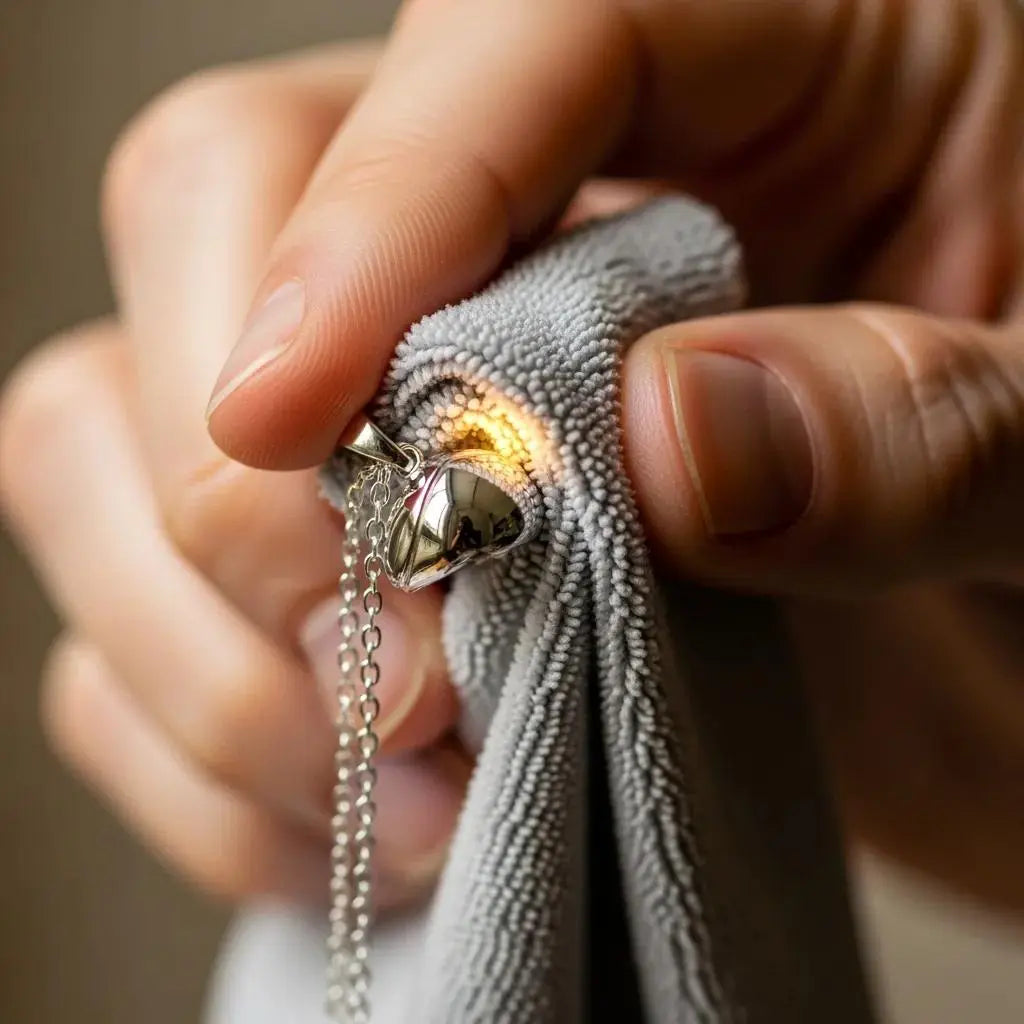
Polishing sterling silver regularly is essential for maintaining its beauty and luster. Over time, silver jewelry naturally tarnishes from exposure to air, moisture, and other environmental factors. This comprehensive guide will teach you how to safely and effectively clean and restore your sterling silver pieces, ensuring they remain as stunning as the day you bought them. You'll learn about the causes of tarnish, effective DIY cleaning methods, recommended commercial products, and how to care for intricate Italian 925 sterling silver jewelry. By following these steps, you can keep your silver jewelry looking bright and vibrant for years to come.

What Causes Tarnish on Sterling Silver and How Can You Prevent It?
Tarnish on sterling silver is a natural reaction that occurs when silver reacts with sulfur compounds in the air, leading to a dull, discolored surface. This chemical reaction is accelerated by factors such as humidity, exposure to certain chemicals, and even skin contact. Understanding the causes of tarnish is crucial for effective prevention and maintenance.
Silver Tarnish: What It Is and Why It Forms
Silver tarnish is a thin layer of corrosion that forms on the surface of silver due to a chemical reaction with sulfur compounds. This reaction can be influenced by environmental factors such as air pollution, humidity, and the presence of certain chemicals in household products. The tarnish appears as a dark or dull film, dulling the silver's natural shine.
How to Store Sterling Silver to Prevent Tarnish
To minimize tarnishing, store your sterling silver jewelry in a cool, dry place. Use airtight containers or anti-tarnish pouches to protect your pieces from exposure to air and moisture. For added protection, consider using anti-tarnish strips in your storage containers to absorb sulfur compounds and moisture, further preventing tarnish formation.
What Are the Best DIY Methods to Clean Sterling Silver at Home?
Cleaning sterling silver at home can be done effectively with a few common household ingredients. Here are some of the best DIY methods to restore your silver's shine without damaging it.
Baking Soda and Aluminum Foil Method for Tarnish Removal

One effective method for removing tarnish uses baking soda and aluminum foil. Start by lining a bowl with aluminum foil, shiny side up. Place your tarnished silver items in the bowl and sprinkle a generous amount of baking soda over them. Pour boiling water into the bowl until the silver is fully submerged. The chemical reaction between the baking soda, aluminum, and hot water will lift the tarnish off the silver, leaving it shiny and clean.
Vinegar and Baking Soda Paste: Is It Safe for Silver Jewelry
Yes, a paste made from baking soda and water can safely clean silver jewelry. Mix baking soda with a small amount of water to form a smooth paste. Apply the paste to the tarnished areas of your silver jewelry using a soft cloth or sponge. Allow it to sit for a few minutes before rinsing with warm water and drying thoroughly. This method is effective for light tarnish and can help restore the shine of your silver pieces.
Using vinegar and baking soda together creates a fizzy reaction that can be too harsh for delicate silver and is therefore generally not recommended as a paste for cleaning silver jewelry.
Which Commercial Products and Tools Are Recommended for Polishing Sterling Silver?
While DIY methods are effective, there are also several commercial products designed specifically for polishing sterling silver. These products can provide a quick, convenient way to restore your jewelry's shine.
Best Silver Polishes and Polishing Cloths for Sterling Silver
The best silver polishes are non-abrasive and specifically formulated for sterling silver. Look for products that contain gentle cleaning agents and are safe for use on delicate jewelry. Polishing cloths made from microfiber or specially treated materials can also be effective in removing tarnish without scratching the surface.
How to Use Polishing Cloths and Commercial Creams Correctly

To use polishing cloths, gently rub the cloth over the tarnished areas of your silver jewelry in a circular motion. For commercial creams, apply a small amount to a soft cloth and work it into the silver, following the manufacturer's instructions. Always rinse your jewelry thoroughly after using any commercial product to remove any residue.
How to Care for Intricate Italian 925 Sterling Silver Jewelry During Polishing?
Caring for intricate Italian 925 sterling silver jewelry requires special attention to preserve its delicate designs. Here are simple techniques to ensure your jewelry remains in excellent condition during polishing.
Techniques to Protect Delicate Italian Silver Designs
When polishing intricate designs, use a soft, lint-free cloth to avoid scratching the surface. For detailed areas, use a soft-bristled toothbrush to gently clean without damaging the design. Avoid using harsh chemicals or abrasive materials that could harm the delicate features of your jewelry.
When to Get Professional Cleaning for Italian Silver
If your Italian silver jewelry is heavily tarnished or if the intricate designs are difficult to clean, it may be time to seek professional cleaning. Professionals have the tools and expertise to restore your jewelry without risking damage, ensuring it remains beautiful for years to come.
How to Maintain the Shine of Your Sterling Silver Jewelry Long-Term?
Maintaining the shine of your sterling silver jewelry requires regular care and attention. Here are some tips to keep your pieces looking their best.
Daily Habits to Keep Sterling Silver Looking New
To keep your silver jewelry looking new, develop a habit of wiping it down with a soft cloth after each wear. This quick step removes oils and dirt that can contribute to tarnishing. Additionally, store your jewelry in a dry, cool place, away from direct sunlight and humidity.
How Often to Polish Sterling Silver Jewelry
The frequency of polishing depends on how often you wear your jewelry. For pieces worn daily, polish them every few weeks. For occasional wear, a thorough cleaning every few months should suffice. Regular maintenance will help prevent heavy tarnish buildup and keep your silver shining brightly.
|
Product Type |
Recommended Products |
Effectiveness |
|
DIY Methods |
Baking soda and aluminum foil |
High |
|
Commercial Polishes |
Non-abrasive silver polish |
High |
|
Polishing Cloths |
Microfiber polishing cloths |
Medium |
By following these guidelines and using the right products, you can keep your sterling silver jewelry looking pristine. Whether you opt for DIY methods or commercial products, regular care and maintenance will ensure your pieces shine for years to come.
Frequently Asked Questions
Can I Use Toothpaste To Clean My Sterling Silver Jewelry?
While some people recommend using toothpaste as a cleaning agent for sterling silver, it is not advisable. Toothpaste can be abrasive and may scratch the surface of your jewelry, leading to more tarnishing over time. Instead, opt for non-abrasive silver polishes or gentle DIY methods like baking soda and water, which are safer and more effective for maintaining the shine of your silver pieces.
How Can I Remove Deep Scratches From Sterling Silver?
To remove deep scratches from sterling silver, you may need to use a specialized silver polishing compound or take your jewelry to a professional jeweler. For minor scratches, a polishing cloth can help, but for deeper imperfections, professional tools and techniques are often required to restore the surface without causing further damage.
Is It Safe To Use Ultrasonic Cleaners On Sterling Silver?
Ultrasonic cleaners can be effective for cleaning sterling silver, but caution is advised. They may not be suitable for all types of jewelry, especially those with delicate stones or intricate designs. Always check the manufacturer's guidelines and consider consulting a professional before using an ultrasonic cleaner to avoid damaging your pieces.
What Should I Do If My Sterling Silver Jewelry Has Turned Black?
If your sterling silver jewelry has turned black, it is likely due to heavy tarnishing. You can restore its shine using a DIY method like the baking soda and aluminum foil technique or a commercial silver polish. If the tarnish is severe, consider seeking professional cleaning to ensure the jewelry is properly restored without damage.
Compartir:
Does Sterling Silver Rust? Understanding Tarnish, Care, and Authentic Italian 925 Sterling Silver
How to Clean Silver Chains: A Complete Guide to Restoring and Caring for 925 Sterling Silver