
Updated on: 2026-08-11
- What Italian Craftsmanship Jewelry Really Means
- Did You Know?
- Expert Tips for Choosing Italian-Made Pieces
- A Personal Experience with Italian-Made Detail
- Care Practices That Preserve Shine
- Materials, Finishes, and Why They Matter
- How to Style Fine Silver Jewelry for Daily Wear
- Summary & Takeaways
- Q&A Section
Italian craftsmanship jewelry: why it feels different
Italian craftsmanship jewelry is widely admired because it balances beauty with build quality. It is not only about surface appearance. True Italian-made jewelry typically reflects disciplined methods, consistent workmanship, and a focus on wearability. For buyers who value handmade silver jewelry, this approach often translates into smoother textures, clearer proportions, and stronger finishing. When you choose a piece designed with craftsmanship in mind, you are selecting more than an accessory. You are selecting an object meant to be worn, enjoyed, and maintained over time.
In Italy, many jewelry traditions are passed through skilled workshops. Craftspeople refine techniques that date back decades, including methods for shaping, polishing, and setting. Even when a design is minimal, precision remains essential. Small differences in link alignment, thickness, and finish can change how a chain lies on the neck or how a pendant reflects light. That is why Italian craftsmanship jewelry often looks elegant even in everyday contexts.
From a retail perspective, it is also important to understand sourcing and production flow. For example, ItaliaChains creates jewelry in Italy and ships directly to the customer. This matters because it supports a more direct connection between the workshop mindset and the buying experience. When craftsmanship is treated as the center of the process, shoppers usually see it in consistency across details such as clasp design, chain movement, and overall balance.

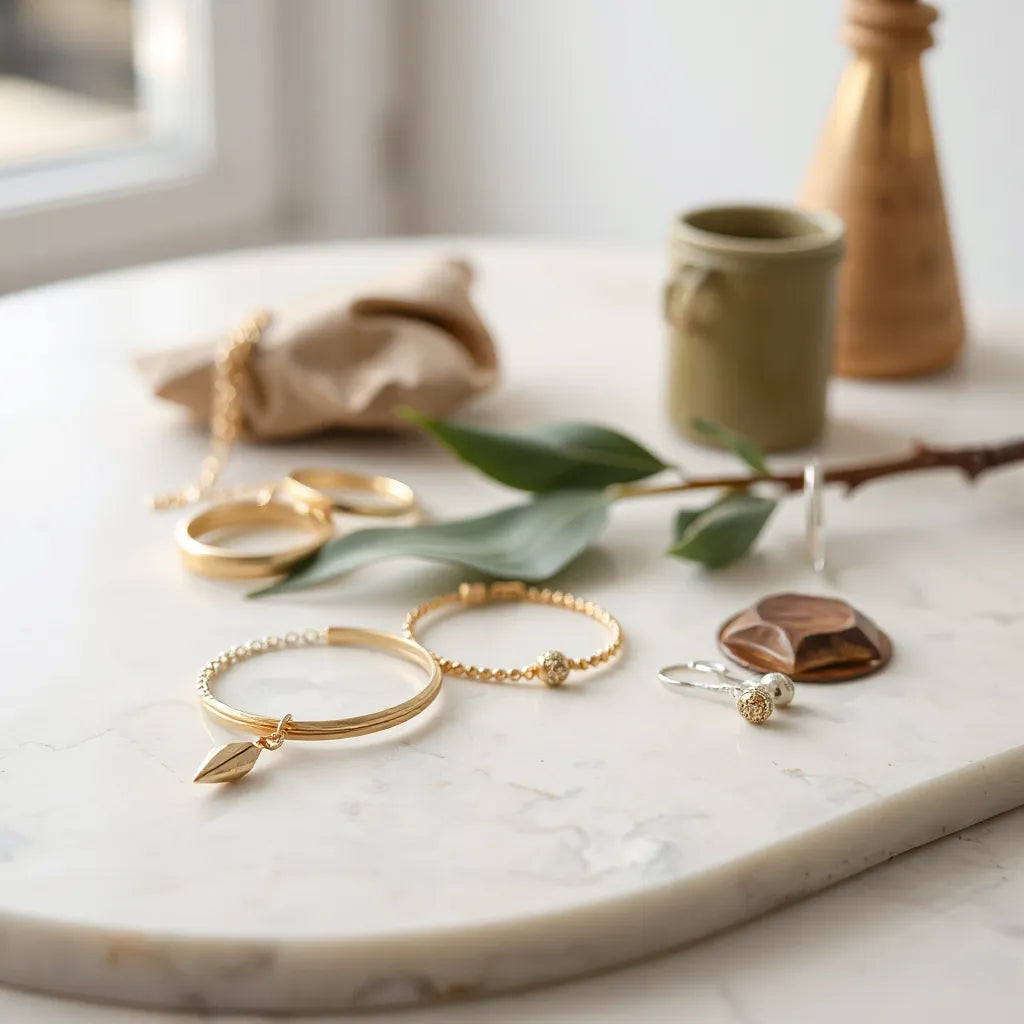
Workshop tools, polished textures, and measured craftsmanship cues
How craftsmanship becomes visible to the wearer
Buyers often discover craftsmanship through touch and movement. A high-quality silver chain should glide rather than catch. Edges should feel refined, not sharp. Links should maintain even spacing so the chain drapes naturally. In handcrafted pieces, these traits are usually achieved through controlled forming and careful finishing.
Craftsmanship also appears in the way light interacts with the jewelry. Polishing can create a bright, clean reflection, while patterned details can add depth. The result is a look that stays defined under different lighting conditions. Whether you wear it for office days or evening plans, well-finished jewelry maintains its visual presence without requiring constant adjustment.
What to look for when shopping for handmade silver jewelry
- Consistent construction: Look for uniform link sizing and clean join points.
- Comfort-first design: Chains should rest flat and clasps should feel secure without stiffness.
- Reliable finishing: Surface smoothness should be even, especially on contact areas.
- Style clarity: The design should match its intended aesthetic, whether classic or modern.
These points are not just quality metrics. They also help you evaluate value. When craftsmanship is present, the jewelry tends to look better for longer and requires fewer compromises in daily wear.
Did You Know?
- Polishing is often a multi-step process that shapes how light travels across the metal.
- Chain drape depends on link geometry as much as on overall thickness.
- Hand-finished edges reduce snagging on clothing and skin during routine wear.
- Good clasps are designed for both security and ease of use, not only visual balance.
Expert Tips for Choosing Italian-made pieces
When you are selecting Italian craftsmanship jewelry, consider a few practical checks. Experts in jewelry retail often emphasize that buyers should evaluate the piece as an everyday tool, not only as a photograph. The goal is to match the jewelry’s design with your lifestyle and comfort preferences.
1) Match chain type to how you wear it
If you prefer a necklace that sits neatly, choose chain styles known for controlled drape. If you plan to layer, select a chain width that allows the pieces to move without tangling. Keep in mind that layering changes the visual impact as well as the way each piece moves.
For shoppers who want clear options, you may find useful product examples at ItaliaChains. Browsing can help you compare chain widths, link density, and how different finishes appear on real jewelry. When you compare multiple options, you usually notice what “balanced design” looks like.
2) Consider finish and maintenance expectations
A brighter finish often highlights movement and reflections. A more detailed texture can emphasize pattern and depth. Neither is better in all cases. The most suitable choice depends on how often you will clean and how you want the jewelry to age.
If you prefer low-effort maintenance, choose designs with smooth contact points and easy-to-wipe surfaces. If you enjoy the look of evolving patina, select a piece that benefits from gentle routine care.
3) Verify material composition
Italian craftsmanship jewelry commonly uses precious metals for longevity and consistent color. Handmade silver jewelry typically includes sterling silver, and many collections also offer gold vermeil options. Confirm what you are buying so you can care for it correctly.
For instance, if you are evaluating classic rope-chain silhouettes, you can review options such as: Italian rope chain in sterling silver and diamond-cut rope chain. These references can help you compare design differences that affect shine and drape.
4) Treat clasps and closures as part of the design
A clasp should be secure and comfortable. When a closure is well made, it reduces stress on the chain during repeated use. It also improves the daily experience, especially for people who wear necklaces frequently.
A Personal Experience with Italian-Made Detail
I once evaluated two silver necklaces that looked similar at first glance. Both had a refined shape and a comparable shine. However, the difference appeared within minutes. One necklace lay flat and moved smoothly when I turned my head. The other necklace tugged slightly and caught lightly against the collar area. I realized that the “finish” I was noticing was not only visual. It was the result of careful workmanship: link spacing, edge refinement, and consistent alignment.
That experience changed how I shop for handmade silver jewelry. I now pay attention to tactile details and movement, not only the first impression. Over time, I have found that Italian craftsmanship jewelry consistently performs well in daily wear. The advantage is subtle but cumulative. You may not notice every second when you put the necklace on, but you will feel the difference across weeks of use.
Care Practices That Preserve shine
Jewelry care is often underestimated. Even the most well-made item can lose luster without thoughtful maintenance. The most reliable routine is gentle and consistent. Italian craftsmanship jewelry benefits from care that respects metal and finish.
Daily and weekly cleaning habits
- Wipe after wear: Use a soft, dry cloth to remove moisture and skin residue.
- Avoid harsh chemicals: Perfume, lotions, and cleaning agents can affect surface clarity.
- Store properly: Keep pieces separated to minimize friction and tangling.
- Clean lightly: When needed, use mild soap and water, then dry thoroughly.
For chain jewelry, focus on the points where links move. Gentle cleaning can prevent buildup that dulls shine and reduces fluid movement. If you wear your necklace often, a simple wipe-down after each session usually offers noticeable improvement.
How to reduce tarnish and dullness
Tarnish is a natural effect of exposure. It can appear faster when jewelry contacts humidity, sweat, and environmental pollutants. The most practical solution is to keep jewelry dry, clean, and stored away from air exposure when not in use. A consistent routine often outperforms aggressive cleaning methods.

Gentle cloth wiping motion and soft storage protection concept
Materials, finishes, and why they matter
The metal and finishing approach influence appearance, durability, and how the jewelry ages. For shoppers seeking Italian craftsmanship jewelry, understanding these variables helps you choose a piece that suits your long-term preferences.
Sterling silver and gold vermeil options
Sterling silver is popular in handmade silver jewelry due to its elegant color and strong finishing potential. It can be polished to a bright finish or left with texture to enhance depth. Gold vermeil options provide a warm tone while maintaining sterling silver structure. Vermeil designs often deliver a luxurious look and can pair well with both casual and formal outfits.
Why chain finish choices affect visual depth
Some chains use a patterned approach that enhances sparkle through surface detail. Others prioritize smoothness for a clean, reflective look. Diamond-cut effects can create crisp highlights, while smooth rope styles emphasize consistent gloss.
If you want to compare rope-chain styles, you can review additional references such as a slender diamond-cut rope necklace and a Singapore chain with vermeil availability. Even without a detailed background, comparing product pages can clarify how design choices translate into shine, texture, and drape.
Pendants and balance with the chain
Pendants add a focal point, but they also require proportion planning. A well-chosen pendant should not overpower the chain. It should hang comfortably and align visually with the wearer’s natural neckline. Craftsmanship shows in how the pendant sits, how it is attached, and how the overall weight distributes across the jewelry.
How to style fine silver jewelry for daily wear
Styling Italian craftsmanship jewelry is straightforward when you follow a few structure rules. The aim is to balance necklace placement with your clothing shape. You can wear a single piece daily or create layered looks for special days.
Choose placement that matches your neckline
- Round necklines: Select a chain length that sits slightly above the collarbone for a clean line.
- V-necks: Use a pendant silhouette that follows the V shape without dropping too low.
- Turtlenecks: Choose a chain that remains visible above the fabric fold.
Layering without tangling
Layering can elevate handmade silver jewelry, but it requires planning. Choose chains with different visual weights or distinct textures. Ensure the lengths differ enough to prevent overlap. When chains move freely, layering looks intentional rather than accidental.
If you wear pendants frequently, consider pairing them with a chain that supports smooth movement. A chain that drapes well reduces rotation and helps the pendant stay centered.
Summary & Takeaways
Italian craftsmanship jewelry stands out because it combines design intention with disciplined workmanship. The differences show up in how a chain drapes, how details reflect light, and how comfort feels during regular wear. For anyone purchasing handmade silver jewelry, it is wise to evaluate construction consistency, finish quality, and practical factors such as clasp usability.
Use these takeaways to guide your next choice:
- Assess movement and comfort, not only appearance.
- Verify materials and understand finishing expectations.
- Care with gentle cleaning and smart storage to maintain shine.
- Style with neckline balance and thoughtful layering lengths.
Finally, if you value a direct link to the workshop approach, consider shopping with a brand that produces jewelry in Italy and ships directly to you. That structure often supports a more consistent experience from craftsmanship to delivery.
Q&A Section
What makes Italian craftsmanship jewelry different from mass-produced pieces?
Italian craftsmanship jewelry typically reflects tighter control over proportions, finishing, and construction. In many cases, chain alignment is more consistent, surfaces are refined, and details are designed to support comfortable wear. These factors influence how the piece drapes, how it moves with the body, and how it maintains its appearance over time.
How often should I clean sterling silver or vermeil jewelry?
A gentle wipe after each wear is usually sufficient for day-to-day maintenance. A deeper clean can be done when the jewelry looks dull or when residue builds up. Use mild soap and water when necessary, then dry completely. Avoid harsh chemicals and store the piece properly to reduce tarnish.
Can I wear handmade silver jewelry every day?
Yes. Many people wear silver chains and pendants daily, especially when comfort and construction are well executed. Daily wear increases exposure to sweat and environmental elements, so a simple cleaning and storage routine becomes essential. Choosing reliable finishing and a secure clasp also supports long-term comfort.
How do I choose the right chain length for layering?
Start by planning the visual effect you want. For a clean layered look, choose lengths that create clear separation rather than heavy overlap. Also consider the pendant weight: heavier designs typically need a supportive chain that stays stable. When in doubt, select one chain that sits neatly at your preferred baseline and add a second chain with a distinct length.
Who is ItaliaChains best suited for?
ItaliaChains is a strong fit for buyers seeking handmade silver jewelry made in Italy with direct shipping to the customer. This model supports a streamlined purchasing experience while keeping the craftsmanship focus central to the product presentation and quality expectations.
About the Author
Mike Luciano is a jewelry quality and retail strategy specialist with expertise in precious metal selection, finishing standards, and customer-focused product guidance. He supports shoppers in making informed decisions through practical care education and design evaluation. Mike Luciano also focuses on how manufacturing transparency and direct-to-customer workflows improve the purchasing experience. For readers, his goal is to translate craftsmanship details into clear buying confidence.
Compartir:
Designer Silver Necklace Styles: Find Your Perfect Fit
Layering Bracelets for Women: Easy Styling Guide