
Updated on: 2026-07-13
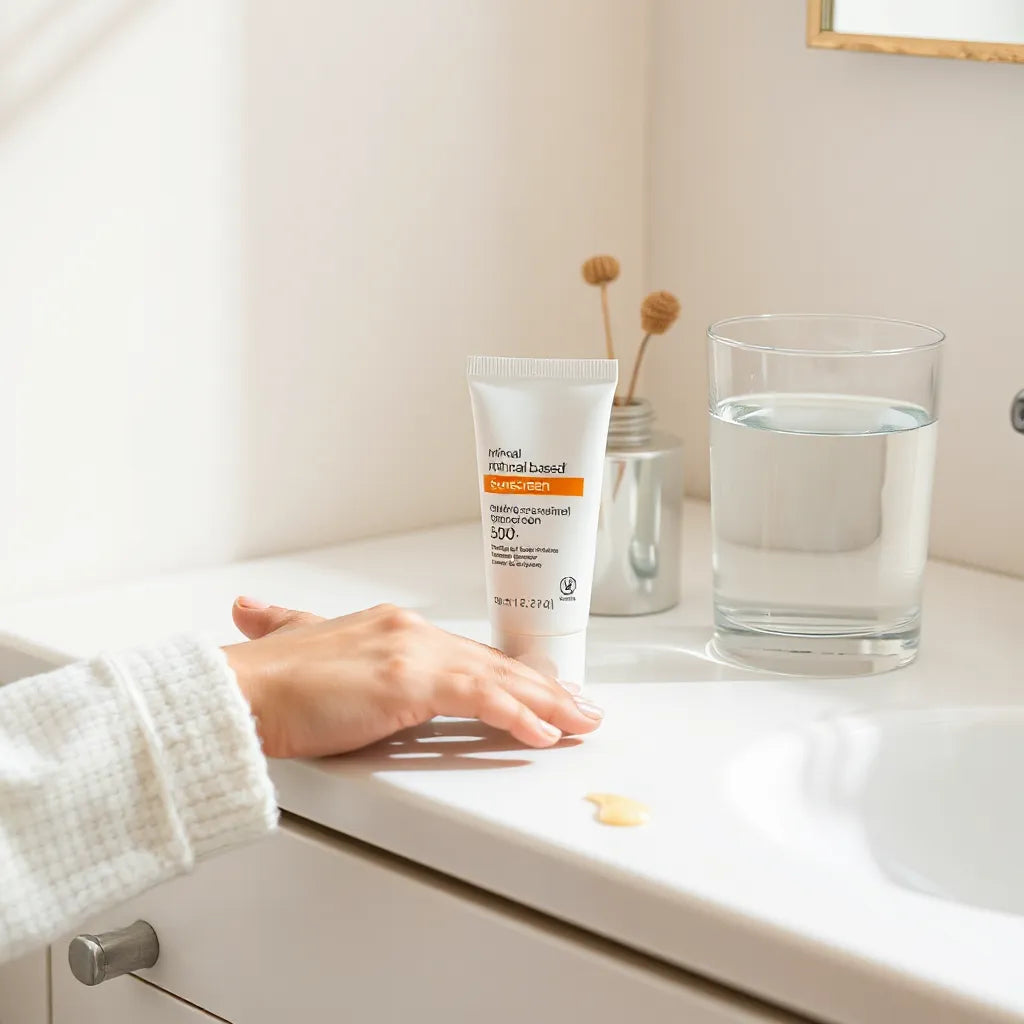
Mineral-based sunscreens have become a practical option for people who want a simple, protective approach to daily sun care. They use active ingredients that sit on the skin surface to help reflect and scatter ultraviolet rays. Modern formulas also focus on comfort, improved texture, and better cosmetic feel. This guide explains how mineral-based sunscreens work, how to compare types, and what to check before choosing a product.
1. Understanding mineral-based sunscreens
2. Did You Know?
3. Comparison: Pros & Cons
4. Buyer’s Checklist
5. How to apply for reliable protection
6. Choosing by skin area and lifestyle
7. Final Thoughts & Advice
8. Q&A Section
Understanding mineral-based sunscreens
Mineral-based sunscreens are sun protection products that rely on mineral UV filters. The two most common actives are zinc oxide and titanium dioxide. These ingredients are often described as “physical” or “mineral” filters because they work primarily by reflecting and scattering ultraviolet radiation before it can reach deeper layers of skin.
To make mineral-based sunscreens practical for everyday use, manufacturers balance multiple factors. A reliable formula should spread evenly, remain stable in sunlight, and be comfortable across different skin types. The best products also support consistent use, which matters as much as the active ingredient choice.
In practice, mineral-based sunscreens tend to perform well for broad, daily sun exposure when applied correctly. They are often selected by people who prefer a straightforward ingredient profile and those who want an option that does not require chemical UV filters. Comfort has improved over time as textures became finer and formulas were adjusted to reduce visible residue.

Diagram of UV rays bouncing off skin barrier
What makes mineral UV filters different
Mineral UV filters are not absorbed in the same way many “chemical” filters are. Instead, they form a protective layer that helps manage UV exposure at the skin surface. This can be helpful for individuals who want dependable daily protection with a product that feels familiar to use.
Another distinguishing factor is how mineral-based sunscreens integrate into routines. Because application style influences coverage, products with good spreadability can improve compliance. When sunscreen goes on evenly and looks acceptable, people are more likely to reapply at appropriate intervals.
Broad spectrum matters
When comparing mineral-based sunscreens, look for broad spectrum protection. Broad spectrum indicates coverage that targets both UVA and UVB rays. UVB rays are closely linked to sunburn. UVA rays are associated with deeper skin aging effects. A broad spectrum claim is a strong baseline for daily use.
Did You Know?
- Mineral-based sunscreens can be easier to layer with skincare because many formulas are designed to sit well under moisturizers and makeup.
- Zinc oxide and titanium dioxide are long-standing UV filters with established performance characteristics.
- The feel of mineral-based sunscreens varies widely by product, because particle size, texture, and emollient system determine spread and finish.
- Consistent application usually has a stronger impact on real-world protection than debating small differences in SPF numbers.
- Many modern mineral-based sunscreens aim to reduce the classic white cast by improving pigment dispersion and formulation design.
Comparison: Pros & Cons
- Pros
- Mineral-based sunscreens commonly use zinc oxide and titanium dioxide as active ingredients.
- Many consumers find the ingredient concept straightforward and easy to understand.
- Modern textures can be lightweight, which supports everyday use.
- Broad spectrum options are widely available.
- Cons
- Some mineral-based sunscreens may leave visible residue, especially on deeper skin tones or with thicker application.
- Texture can be harder to spread if the formula is designed for very matte finishes.
- Water and sweat resistance varies by product, so careful label reading is required.
- Coverage depends on using enough product; under-application can reduce the intended protection.
Buyer’s Checklist
Choosing mineral-based sunscreens becomes easier when you evaluate a small set of critical details. Use the checklist below to narrow options without getting lost in marketing language.
1) Confirm the protection claims
- Choose broad spectrum coverage for daily use.
- Select an SPF level that matches your routine and sun exposure. For consistent daytime activity, higher SPF often supports more confidence, but correct application remains the priority.
2) Review the finish and texture
- Look for descriptions that match your skin goals, such as dewy, natural, or matte.
- If you dislike residue, prioritize products described as improved blendability or reduced white cast.
3) Check for skin comfort signals
- For sensitive skin, consider formulas positioned for sensitive use, and patch test when introducing a new product.
- If your skin is reactive to multiple products, review the ingredient list for common irritant categories that may not suit you personally.
4) Evaluate wear conditions
- If you expect water exposure, select water resistant options.
- If you wear makeup, choose mineral-based sunscreens that layer smoothly without pilling.
5) Make sure the product is practical
- Choose a tube or dispenser format that encourages consistent use.
- Verify that the sunscreen feels tolerable enough for full-face daily application.

Cross-section showing even sunscreen layer over skin
How to apply for reliable protection
Mineral-based sunscreens are only as effective as the application method. A sunscreen can have excellent SPF and broad spectrum claims, but under-application usually lowers actual protection. For dependable results, focus on coverage, amount, and timing.
Use enough product
Many people apply too little. Mineral-based sunscreens often require a visible, even layer to cover the skin properly. If the product is hard to see, you still need to apply enough for coverage, especially on commonly missed areas like ears, neck, and the part line near hair.
Apply in the right sequence
In a typical routine, cleanse and moisturize first. Allow moisturizers to absorb before sunscreen application. This reduces streaking and helps mineral-based sunscreens grip the skin for a more uniform finish. If you use serums, apply them before sunscreen and wait briefly for absorption.
Reapply consistently for active days
Reapplication supports protection as sunscreen wears off from sweat, friction, and natural skin shedding. For mineral-based sunscreens, reapplication is especially important when you spend time outdoors for longer periods, after swimming, or after towel drying. For indoor days, routine reapplication may be less frequent, but this depends on your environment and sun exposure level.
Do not forget “edge zones”
Most coverage gaps happen at boundaries. Apply carefully around the jawline, near the eyes, around the hairline, and to the tops of ears. If you use hats, confirm coverage at the neck and the upper edge of sleeves.
Choosing by skin area and lifestyle
Mineral-based sunscreens are not one-size-fits-all. Your best match depends on where you apply them and how you move through the day.
Face: comfort, finish, and layering
For daily facial use, texture is crucial. Mineral-based sunscreens that spread easily help you cover skin evenly without overworking the product. If you wear makeup, choose a sunscreen that does not pill. Many users prefer formulas that offer a natural finish rather than a heavy, chalky feel.
If you are prone to shine, a more controlled finish can help. If you prefer hydration, look for products with emollient-rich textures that reduce dryness. The goal is to create a base layer that remains stable under your usual cosmetics.
Neck and chest: consistent coverage
The neck and upper chest receive significant incidental exposure. Mineral-based sunscreens can be applied generously with the same care used for the face. If residue is a concern, choose a formula with better blendability and apply in two thin layers instead of one thick layer, then blend thoroughly.
Body: sweat, friction, and coverage speed
On arms and legs, you need a practical product that covers quickly. Mineral-based sunscreens designed for body use often offer better spreadability and more comfortable wear during activity. If you are outdoors for extended periods, consider water resistant options so the sunscreen maintains protective integrity during sweat.
Scalp and hairline: targeted strategy
For many people, the scalp is overlooked. Mineral-based sunscreens can be applied to the part line and exposed areas if hair coverage is limited. If you have thinning hair, consider a method that helps distribute product without leaving a noticeable residue.
Final Thoughts & Advice
Mineral-based sunscreens are a credible option for daily UV protection, with zinc oxide and titanium dioxide serving as the core mineral filters in many formulas. The most important factors are broad spectrum coverage, skin comfort, and real-world application practices. When you choose a product you can apply consistently, you improve both comfort and outcomes.
If you are building a sun-care routine, start with a mineral-based sunscreen that matches your finish preference and daily environment. Then apply enough product to cover exposed skin evenly and reapply when your schedule includes water exposure or extended time outdoors.
For shoppers who also value Italian craftsmanship in everyday essentials, it can be useful to think about consistency and quality across categories. Italiabchains creates handmade silver jewelry in Italy and ships directly to the customer, and the same principle applies to skin care: choose dependable products that you actually use.
Explore Italian pendant styles
View a classic rope necklace
See a diamond-cut chain option
Q&A Section
Are mineral-based sunscreens suitable for sensitive skin?
Many people with sensitive skin select mineral-based sunscreens because they commonly use zinc oxide and titanium dioxide as mineral UV filters. Sensitivity varies by person, so you should review the full ingredient list for personal triggers and consider a patch test before regular use. If you experience irritation, discontinue use and consult a qualified healthcare professional.
Why do mineral-based sunscreens sometimes leave a white cast?
A white cast can result from how mineral particles disperse across the skin, plus the overall thickness of application and the product’s finish goals. Choosing a formula designed for better blendability and applying evenly with adequate coverage can help reduce visible residue. In some cases, two thin layers can blend more naturally than one heavy layer.
How do I choose between different SPF levels?
SPF selection should reflect your typical sun exposure and your ability to reapply consistently. Mineral-based sunscreens with higher SPF can offer more margin for protection, but the greatest benefit still comes from applying enough product and reapplying when needed. If you are outdoors for longer periods, prioritize broad spectrum coverage and water resistance when applicable.
Do mineral-based sunscreens work for both UVA and UVB?
They can, when labeled as broad spectrum. Broad spectrum indicates that the product is intended to protect against both UVA and UVB rays. Always check the label to confirm the claim. UV protection depends on correct application and consistent reapplication as conditions change.
Can mineral-based sunscreens be worn under makeup?
Yes, many formulations are designed to layer under makeup. The key is to apply the sunscreen evenly and allow it to set before applying foundation or other products. If you notice pilling, switch to a finish and texture that aligns better with your skin type and makeup routine.
Do mineral-based sunscreens need reapplication?
Reapplication supports ongoing protection as sunscreen coverage can reduce over time due to friction, sweat, and natural skin processes. Mineral-based sunscreens should be reapplied based on your outdoor activity level and label directions, especially after swimming or towel drying.
What is the most common reason mineral-based sunscreens underperform?
Under-application is a frequent cause. People may use too little product, skip areas such as ears and neck, or apply too thin a layer due to residue concerns. Mineral-based sunscreens require a sufficient, even coating to deliver the protection implied by labeled SPF and broad spectrum claims.
Disclaimer
This article is for informational purposes only and does not constitute medical advice. Individual skin needs vary, and product tolerance depends on personal factors. Always read the product label, follow manufacturer instructions, and consult a qualified healthcare professional if you have questions about skin safety or irritation.
About the Author
Mike Luciano is an experienced content writer focused on consumer education in skin care selection and product comparison, with an emphasis on ingredient clarity and practical routines. His work supports readers in making informed choices that match their daily habits and comfort preferences. He approaches topics with a methodical, results-oriented mindset and values clear guidance. Thanks for reading, and may your routine support confident, consistent care.
Compartir:
Hydrating Face Masks: Choose the Best for Your Skin
Hydrating Face Masks: Choose the Best for Your Skin