
Updated on: March 2, 2026
Moissanite pendants represent a sophisticated and sustainable alternative to traditional diamond jewelry, offering exceptional brilliance and durability at a fraction of the cost. These lab-created gemstones possess superior optical properties and retain their sparkle indefinitely without requiring special maintenance. Whether you seek an elegant statement piece or a timeless everyday accessory, moissanite pendant options provide versatility, affordability, and ethical sourcing for the modern jewelry consumer.
Table of Contents
- What Are Moissanite Gemstones?
- Why Choose Moissanite Pendants?
- Popular Styles and Design Options
- Care and Maintenance Guide
- Quality Factors and Specifications
- Frequently Asked Questions
- About the Author
What Are Moissanite Gemstones?
Moissanite is a lab-created gemstone composed of silicon carbide, originally discovered in meteorite fragments by French scientist Henri Moissan in 1893. Modern moissanite gemstones are synthesized in controlled laboratory environments, ensuring consistent quality and ethical production. Unlike natural diamonds, which form over billions of years beneath the earth's surface, moissanite can be created in weeks, making it an environmentally responsible choice for conscious consumers.
The scientific composition of moissanite differs fundamentally from diamonds, yet it shares remarkable durability and optical characteristics. On the Mohs hardness scale, moissanite ranks 9.25, making it the second-hardest naturally occurring substance known to science. This exceptional hardness ensures that moissanite jewelry resists scratching and maintains its polish throughout decades of wear.

Laboratory creation of silicon carbide crystals under controlled heat and pressure conditions.
Why Choose Moissanite Pendants?
Selecting moissanite pendants offers numerous compelling advantages over conventional gemstone options. The most obvious benefit involves financial accessibility—moissanite stones typically cost sixty to ninety percent less than diamonds of comparable size and quality. This price differential does not reflect inferior quality; rather, it reflects the efficient laboratory production process and absence of supply chain monopolies that inflate diamond pricing.
Environmental sustainability represents another crucial consideration. Diamond mining operations frequently involve significant ecological disruption, habitat destruction, and substantial carbon emissions. Moissanite production, conversely, requires minimal environmental impact and does not contribute to land degradation or wildlife displacement. For environmentally conscious consumers, choosing moissanite pendants aligns personal jewelry preferences with broader environmental values.
Optical performance surpasses diamond characteristics in several measurable ways. Moissanite exhibits a refractive index of 2.65 to 2.69, compared to diamond's 2.42. This higher refractive index produces superior light dispersion, creating more vibrant rainbow flashes and exceptional sparkle. Many jewelry enthusiasts specifically prefer this enhanced optical display.
Durability and longevity ensure that moissanite jewelry maintains its beauty indefinitely. Unlike some gemstones that may fade or develop inclusions over time, moissanite maintains its original appearance throughout extended ownership periods. The gemstone does not require special protective storage or professional cleaning services beyond routine jewelry maintenance.
Popular Styles and Design Options
Moissanite pendants are available in virtually unlimited design configurations, accommodating diverse aesthetic preferences and personal style expressions. Solitaire pendant designs showcase a single moissanite stone suspended from an elegant chain, highlighting the gemstone's inherent brilliance without distraction. This timeless configuration works equally well for professional environments and formal occasions.
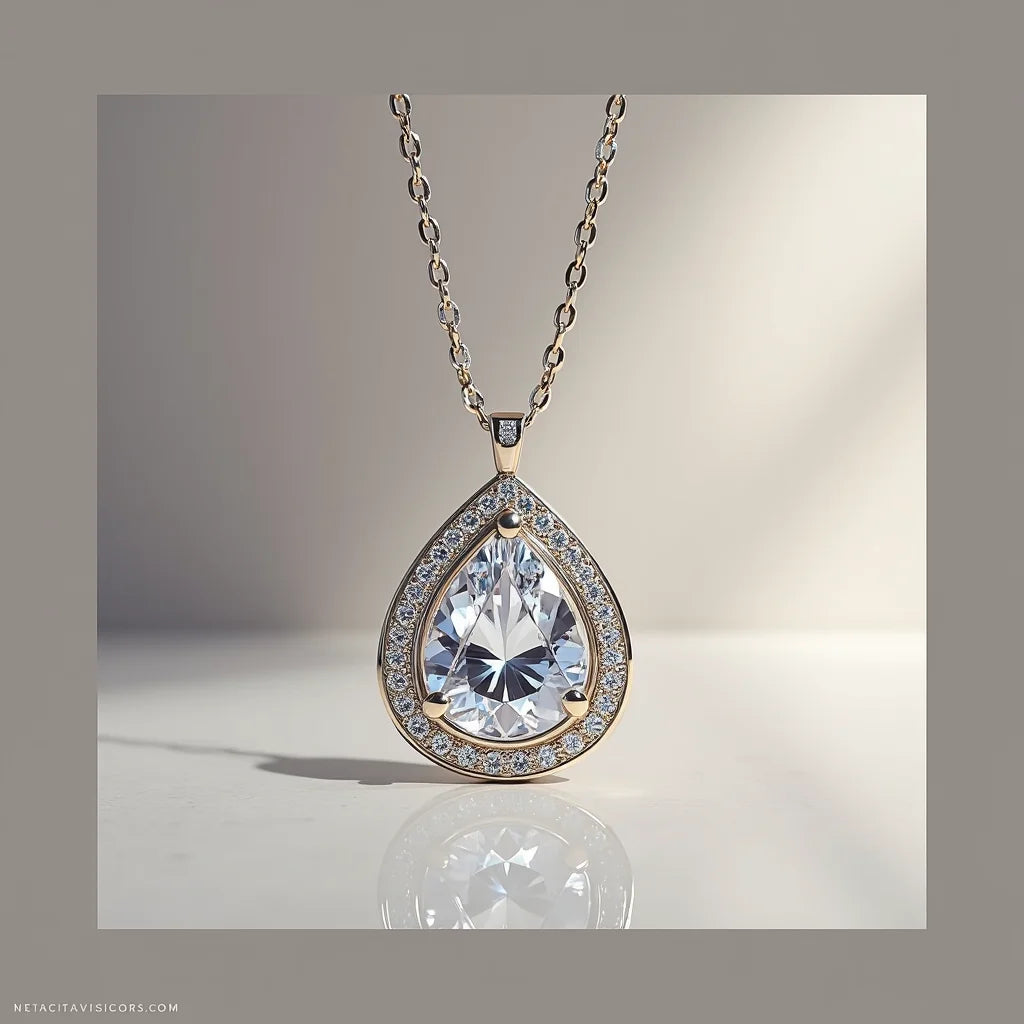
Halo pendant designs position a central moissanite stone surrounded by smaller diamonds or complementary gemstones, creating enhanced visual impact and increased overall sparkle. The surrounding stones amplify light reflection and create a more substantial appearance without significantly increasing costs.
Geometric and modern pendant styles feature moissanite stones set within contemporary frameworks, including triangular, hexagonal, and asymmetrical shapes. These designs appeal to consumers seeking distinctive pieces that differentiate themselves from conventional jewelry options.
Religious and cultural pendant designs incorporate moissanite stones within meaningful symbolic frameworks. Crosses, crescents, and other spiritually significant shapes allow consumers to express their values while enjoying the aesthetic and financial benefits of moissanite gemstones.
Vintage-inspired pendant designs blend moissanite's modern production advantages with classic aesthetic elements. Art Deco, Victorian, and vintage-influenced settings provide timeless elegance while incorporating contemporary gemstone innovations.

Array of pendant settings displaying solitaire, halo, and geometric design configurations.
Care and Maintenance Guide
Maintaining moissanite pendants requires minimal effort compared to natural gemstone jewelry. Regular cleaning preserves the stone's exceptional sparkle and optical clarity. Simple warm water combined with mild dish soap and a soft brush effectively removes accumulated dust and oils without causing damage.
For deeper cleaning, jewelers recommend using ultrasonic cleaning machines, which employ sound wave vibrations to dislodge stubborn debris from intricate settings. However, ultrasonic cleaning is not necessary for routine maintenance and can be reserved for professional service situations.
Storage considerations involve protecting moissanite pendants from unnecessary contact with other jewelry pieces that might cause scratching to metal settings or chains. Separate storage compartments or soft pouches prevent potential damage during transport and extended storage periods.
Professional inspection annually ensures that chain settings remain secure and metal components maintain structural integrity. Metal chains and clasps may require periodic adjustment or strengthening, even though the moissanite stone itself will not degrade or require replacement.
Quality Factors and Specifications
Moissanite quality assessment involves several measurable criteria that determine overall value and longevity. Color grading follows standards established by major gemological institutes, ranging from colorless to slightly tinted categories. Premium moissanite exhibits completely colorless appearance, while lower-grade options may display subtle yellow or grey tints.
Clarity evaluation assesses the presence of internal inclusions or surface blemishes. Laboratory-created moissanite consistently achieves excellent clarity ratings, as production processes allow manufacturers to control internal crystal formation and eliminate defects.
Carat weight, measured in the traditional gemstone metric, indicates stone size and proportional value. Unlike diamonds, where carat weight dramatically influences price, moissanite pricing remains relatively stable across varying carat weights due to efficient production scalability.
Cut quality affects how light reflects within the gemstone and disperses through the visible spectrum. Precision cutting enhances optical performance and overall aesthetic appeal. Reputable manufacturers invest in advanced cutting technologies to maximize light performance and minimize visible color dispersion.
Frequently Asked Questions
Will moissanite jewelry fade or lose its sparkle over time?
No. Moissanite possesses remarkable permanence and will not fade, discolor, or diminish in optical brilliance regardless of extended wear duration. The gemstone maintains its original appearance indefinitely, making moissanite pendants genuine lifetime investments. Unlike certain gemstones that may develop cloudiness or inclusions after years of use, moissanite demonstrates unchanged optical characteristics across decades of ownership.
Can moissanite be distinguished from diamonds by visual inspection?
Most untrained observers cannot distinguish moissanite from diamonds in typical lighting conditions. However, moissanite exhibits higher optical dispersion, meaning the rainbow flashes appear more pronounced in bright direct light. Trained gemologists can identify moissanite using specialized equipment, but casual jewelry wearers will observe superior sparkle rather than obvious differences.
Is moissanite appropriate for engagement rings and wedding jewelry?
Absolutely. Moissanite's exceptional durability, lasting beauty, and ethical sourcing make it an excellent choice for engagement rings and wedding bands. Many couples prefer moissanite because it combines emotional significance with sustainable practices and financial responsibility. The gemstone's longevity ensures it withstands daily wear throughout a lifetime of marriage.
How does moissanite pricing compare to diamond alternatives?
Moissanite typically costs significantly less than diamonds of comparable size and quality. A one-carat moissanite stone might cost between eight hundred and twelve hundred dollars, while an equivalent diamond could exceed five thousand dollars. This substantial price difference makes larger moissanite stones financially accessible for consumers with modest budgets.
Does moissanite require special insurance or appraisal services?
Moissanite jewelry should be appraised and insured like any valuable possession, though insurance premiums will reflect the stone's lower market value compared to diamonds. When purchasing moissanite pendants, request documentation of stone specifications and gemological certifications from reputable laboratories.
Final Considerations
Moissanite pendants represent an intelligent purchasing decision for consumers seeking beautiful, durable, and ethically sourced jewelry. The combination of exceptional optical properties, superior durability, environmental responsibility, and affordable pricing creates compelling value that traditional gemstones cannot match. Whether you prioritize financial accessibility, environmental sustainability, or superior sparkle characteristics, moissanite jewelry delivers on multiple fronts.
When selecting moissanite pendants, prioritize purchasing from established jewelers with transparent sourcing practices and comprehensive gemological documentation. Reputable manufacturers provide certifications confirming stone specifications and production standards. Quality craftsmanship in metalwork and chain construction ensures that your pendant remains beautiful and structurally sound throughout years of regular wear.
Explore complementary jewelry options to complete your collection. Diamond-cut rope chains in sterling silver provide elegant accompaniment to moissanite pendants, while Singapore chain necklaces in solid silver or gold vermeil offer versatile styling options. Consider moissanite pendant options in sterling silver for investment-quality pieces that combine gemstone excellence with premium metalwork.
About the Author
Mike Luciano is a certified jewelry expert with fifteen years of specialized experience in gemstone evaluation, jewelry design, and precious metal craftsmanship. His comprehensive knowledge encompasses moissanite properties, diamond alternatives, and sustainable jewelry sourcing practices. Mike brings authoritative insight to contemporary jewelry purchasing decisions, helping consumers navigate complex gemological concepts and make informed choices aligned with their values and preferences. His writing emphasizes practical, evidence-based guidance for jewelry enthusiasts of all experience levels.
Compartir:
Hip Hop Jewelry: How to Layer Chains Like a Pro Today
Why High Quality Silver Necklaces Elevate Your Everyday Look