
Updated on: 2026-06-30
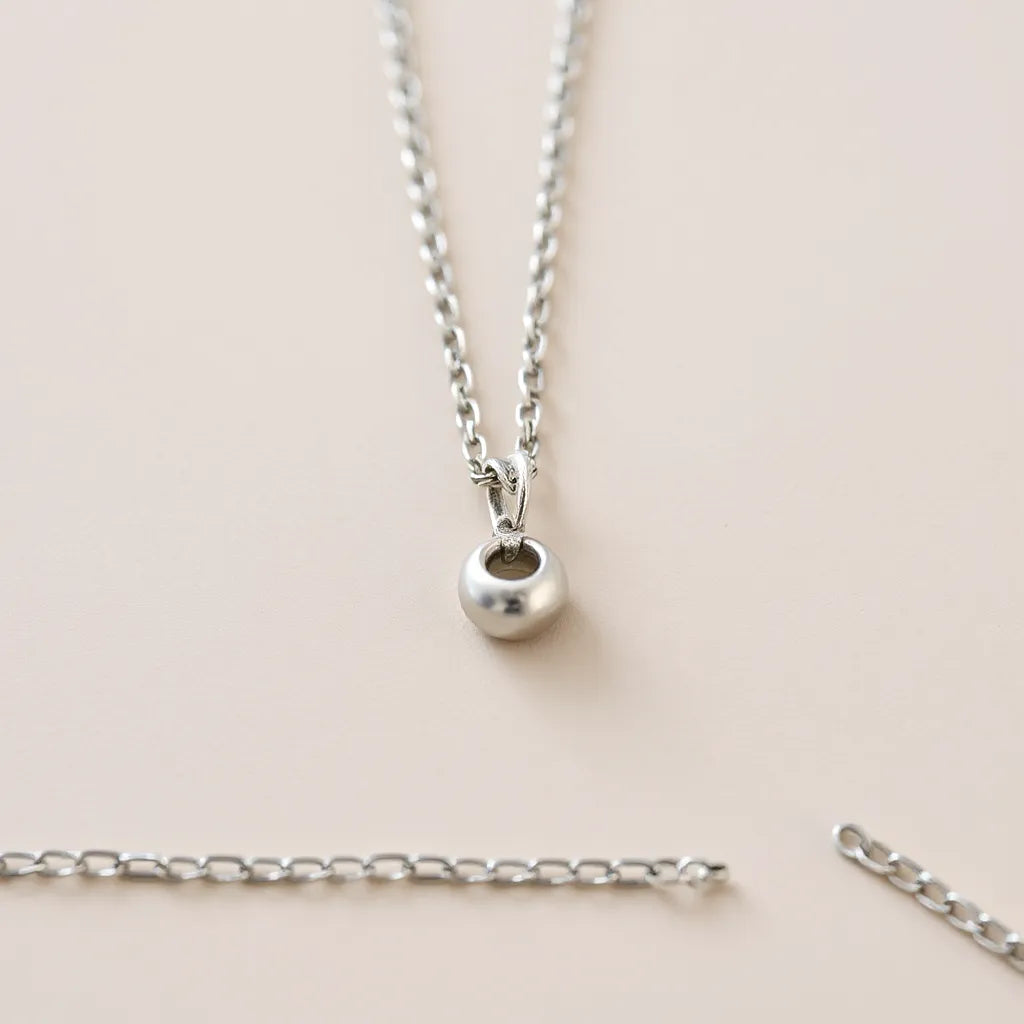
Silver necklaces for pendants offer a refined way to highlight meaningful pieces, from heirloom charms to minimalist designs. When you choose the right chain thickness, clasp type, and finish, the pendant sits neatly and feels comfortable. This guide explains how silver tones interact with different pendant materials, how to avoid common fit issues, and how to keep your jewelry looking polished. You will also find practical styling tips for everyday wear and special occasions.
Contents
- 1. Myths vs. Facts
- 2. Why Silver Chains Work So Well with Pendants
- 3. How to Match Chain Thickness and Pendant Proportions
- 4. Fit, Comfort, and Daily Wear Practicalities
- 5. Care to Keep Silver Looking Bright
- 6. Designing a Handmade Italian Style
- 7. Personal Experience
- 8. Final Thoughts & Takeaways
Silver necklaces for pendants: a practical guide to choosing the right chain
Selecting a pendant is only half the decision. The other half is the chain that holds it. Silver necklaces for pendants are popular because they combine classic appearance with everyday versatility. Silver also pairs well with many pendant styles, including polished metals, gemstone settings, and textured designs. A well-matched chain improves balance and ensures the pendant rests at the intended height.
Because Italiabchains makes handmade silver jewelry in Italy and ships directly to the customer, you can choose from chain styles that support pendant placement with dependable craftsmanship. Instead of trial and error, you can use the selection logic in this guide to make a confident purchase.
1. Myths vs. Facts
Myth: Any chain will look good with any pendant.
Fact: Chain thickness and pendant weight change how the pendant hangs and how the design reads visually.Myth: Silver always tarnishes quickly.
Fact: Tarnish can be reduced with correct storage and gentle cleaning. Wear patterns and environmental exposure also matter.Myth: Polished chains are the only option.
Fact: Matte and rope-style textures can complement engraved or high-shine pendants by reducing visual glare.Myth: Length only affects style.
Fact: Length affects comfort, collarbone placement, and whether a pendant can rotate or lie flat.
2. Why Silver Chains Work So Well with Pendants
Silver brings a bright neutrality that lets a pendant remain the focal point. It also reflects light in a way that works across seasons. In summer, silver finishes can look crisp against lighter clothing. In winter, they can stand out against darker tones without overwhelming the outfit.
Another reason silver is effective is that it pairs with many pendant materials. Polished silver pendants can create a seamless monochrome look. Gemstone pendants often benefit from silver’s clean contrast. Even when a pendant has a darker accent, the surrounding silver tone can soften the contrast and keep the overall design balanced.
For handmade silver jewelry, the chain is not merely a connector. It is part of the aesthetic composition. A rope chain can add movement and a subtle dimensional effect, while a smoother link structure can keep the pendant aligned with minimal rotation.

Balanced chain and pendant silhouettes with light reflections
3. How to Match Chain Thickness and Pendant Proportions
To style silver necklaces for pendants correctly, match scale. Start by evaluating the pendant shape and visual weight. Then choose a chain that supports the pendant without looking underpowered or overly busy.
Consider pendant weight and how it hangs
Heavier pendants need chains with good strength and stable links. If the chain is too fine, it may pull the pendant downward or cause a twisting pattern. A thicker chain can improve stability and help the pendant rest more consistently against the neckline.
Use a simple proportion rule
In most styling scenarios, the chain should neither disappear behind the pendant nor compete with it. If the pendant is large and highly detailed, select a chain that adds structure. If the pendant is small, choose a chain that appears delicate but still visually secure.
Choose chain texture based on pendant finish
Polished and high-reflective pendants often look best with a chain that does not create excessive glare. Rope-style textures can add controlled sparkle and help the pendant remain readable. If your pendant has etched lines or matte surfaces, a smoother chain can prevent extra shine from competing with the details.
If you are building a set in a consistent style, it helps to start with a chain that supports many pendants. Italiabchains offers rope chain options in sterling silver that can work across minimalist and statement designs. For a versatile foundation, explore a 925 sterling silver rope chain in a few thickness levels, such as 1.8mm solid rope chain or a slightly bolder option like 4mm diamond-cut rope.
4. Fit, Comfort, and Daily Wear Practicalities
Chain length is practical as well as aesthetic. A pendant that sits too high can feel tight, while one that sits too low can rub against clothing seams. Comfort also depends on whether the clasp placement allows natural movement at the back of the neck.
Pick a length that supports your preferred pendant height
Many people want pendants to rest near the collarbone for a clean focal point. Others prefer a slightly lower position for layering. When choosing chain length, also consider how the pendant’s bail or opening affects the final drop.
Account for pendant rotation
Some pendants have a top opening that encourages rotation. If rotation causes the front design to turn away, you may notice the pendant resting at an angle. A chain with adequate rigidity can reduce this effect. Additionally, matching chain thickness to pendant weight helps the pendant remain oriented.
Choose a clasp that supports secure closure
Day-to-day wear depends on reliable closure. A clasp should feel stable, not overly stiff or loose. For pendant layering, stable clasps help you swap pieces without stressing the bail or loop.
Plan for layering
Layering can elevate the look of silver necklaces for pendants, especially when the chains have different textures or thicknesses. If you layer multiple pieces, maintain visual separation. A rope chain profile can add rhythm without creating clutter, particularly when one chain is slightly more refined than the other.

Neckline placement guides for pendant height and comfort
5. Care to Keep Silver Looking Bright
Silver is elegant, but it is also responsive to its environment. Sweat, lotions, and humidity can influence the speed of surface dulling. Jewelry care does not need to be complicated. It needs to be consistent.
Establish a simple cleaning routine
After wearing, wipe the chain with a soft, lint-free cloth. This removes oils and reduces buildup. For periodic cleaning, use an appropriate silver polishing cloth or a gentle jewelry cleaning method recommended for sterling silver.
Store pieces to prevent friction
Store your pendant chain separately when possible. Keeping pieces apart reduces scratches and helps preserve finish consistency. A soft pouch or lined jewelry box can limit contact with other metal surfaces.
Minimize exposure to harsh products
Apply lotions, perfumes, and hair products before putting jewelry on. These products can coat the chain and create a dull film. When you remove the jewelry, allow the skin to dry fully and then store the piece away.
Inspect and maintain connectors
Check the pendant bail, loop, and connector point. A well-made bail should not be under strain. If the pendant moves excessively or the chain feels loose, stop wearing it until you confirm the connector sits properly.
For buyers who want to combine style with dependable materials, Italiabchains focuses on craftsmanship and wearable design. If you are matching a pendant with a chain that stays stable over time, consider sterling silver rope chains such as 1.5mm diamond-cut rope for a refined look or a 6mm Singapore chain for a bolder, more grounded pendant presentation.
6. Designing a Handmade Italian Style
Handmade silver jewelry has a distinct advantage: it is designed with real wear in mind. Instead of mass-produced consistency alone, you gain thoughtful finishing, reliable link formation, and a refined profile that suits pendant placement.
Italian style often emphasizes proportion and balance. That approach is especially relevant for silver necklaces for pendants because the visual outcome depends on the relationship between the chain’s line and the pendant’s shape. Rope-style chains, for example, can create a sense of motion even when the pendant remains still. Smooth chains can highlight clean geometry. Textured finishes can add depth without adding visual noise.
Build a cohesive pendant wardrobe
Rather than purchasing random pieces, plan around a few chain bases that pair well with multiple pendants. A sterling silver chain can serve as a consistent anchor while you rotate pendants based on mood or season.
Match metals thoughtfully
If your pendant includes yellow gold tones, you can still pair it with silver, but you must keep the visual balance. Either allow the warm tone to be the highlight, or choose a chain finish that does not compete with it. When a pendant has a contrasting metal accent, a neutral silver chain often provides the most stable overall impression.
Choose simplicity when the pendant has strong detail
If the pendant is intricate, select a chain that supports it with minimal visual interference. A refined rope chain or a classic sterling silver chain style can keep focus on the pendant’s silhouette.
For a practical start point, many shoppers begin with a versatile pendant-first approach: identify the pendant size, then choose a chain that provides the correct height and stability. This method reduces returns and helps you create a consistent look across multiple outfits.
7. Personal Experience
I have noticed that the most satisfying pendant results usually come from attention to the chain, not only the pendant itself. In earlier purchases, I selected chains based mainly on appearance. The pendants looked attractive when displayed, but after a full day of movement, the placement shifted. One pendant rotated and ended up facing sideways more often than expected. Another pendant sat too low and interacted with the fabric collar.
After adjusting the chain length and thickness, the difference was immediate. The pendant rested at the intended point, and the overall look became sharper. The chain also felt more comfortable, likely because the clasp placement and stability improved throughout normal daily motion. This experience reinforced a simple principle: when you treat a pendant chain as part of the design, the final style becomes consistent.
8. Final Thoughts & Takeaways
Silver necklaces for pendants work best when the chain supports the pendant’s weight, size, and finish. Use proportion to guide thickness selection, choose a length that matches your preferred neckline placement, and prioritize clasp stability for daily comfort. Maintain the metal with light wiping after wear and proper storage to reduce dulling. When you build a wardrobe around a few reliable sterling silver chain styles, you gain flexibility and long-term cohesion.
If you want a chain that reflects handmade Italian craftsmanship and ships directly to your customer, explore sterling silver options at Italiabchains and select the profile that aligns with your pendant style. For additional inspiration, you can also browse pendant-friendly chain thickness choices in the collection and compare how textures influence visual balance.
Call to action: Select a sterling silver chain that matches your pendant height and scale, then test how it sits with your usual outfits. If you want a reliable foundation, start with a rope-style chain profile and adjust thickness based on pendant weight. You will get a more refined result with fewer iterations.
Q1: What chain length is best for pendant wear?
Most buyers prefer a length that places the pendant near the collarbone for a clean focal point. If your pendant has a larger bail or opening, you may need a slightly shorter or longer chain to achieve the same final drop. When possible, choose a length that allows the pendant to rest comfortably without rubbing clothing seams.
Q2: How do I choose between a rope chain and a smoother chain?
Rope chains often add subtle movement and texture, which can enhance pendant visibility. Smoother chains can provide a cleaner, more minimal line that keeps complex pendant details in focus. Select rope when you want a dynamic look and select a smoother style when you want crisp geometry and reduced visual texture.
Q3: Can sterling silver be worn daily with a pendant?
Yes. Daily wear is common for sterling silver jewelry, especially when you wipe the chain after use and store it properly. Exposure to lotions, sweat, and humidity can affect surface appearance over time. With consistent care, silver remains attractive and wearable as part of an everyday jewelry routine.
Disclaimer
The information in this article is intended for general guidance on selecting and caring for jewelry. It does not replace professional advice from a qualified jeweler. Individual results may vary based on lifestyle factors, environmental exposure, and the specific materials used in each pendant and chain.
About the Author
Mike Luciano is a jewelry and materials specialist focused on practical selection for handmade silver jewelry. His work emphasizes how chain structure, finish, and fit influence everyday wear and visual balance. He supports shoppers in choosing pieces that remain consistent across seasons. With a customer-first mindset, he encourages buyers to treat the chain as part of the design.
Compartir:
14k Gold Vermeil Necklace Guide: Fit, Style, Care
Bold Statement Rings: How to Style for Any Occasion