
Updated on: 2026-07-01
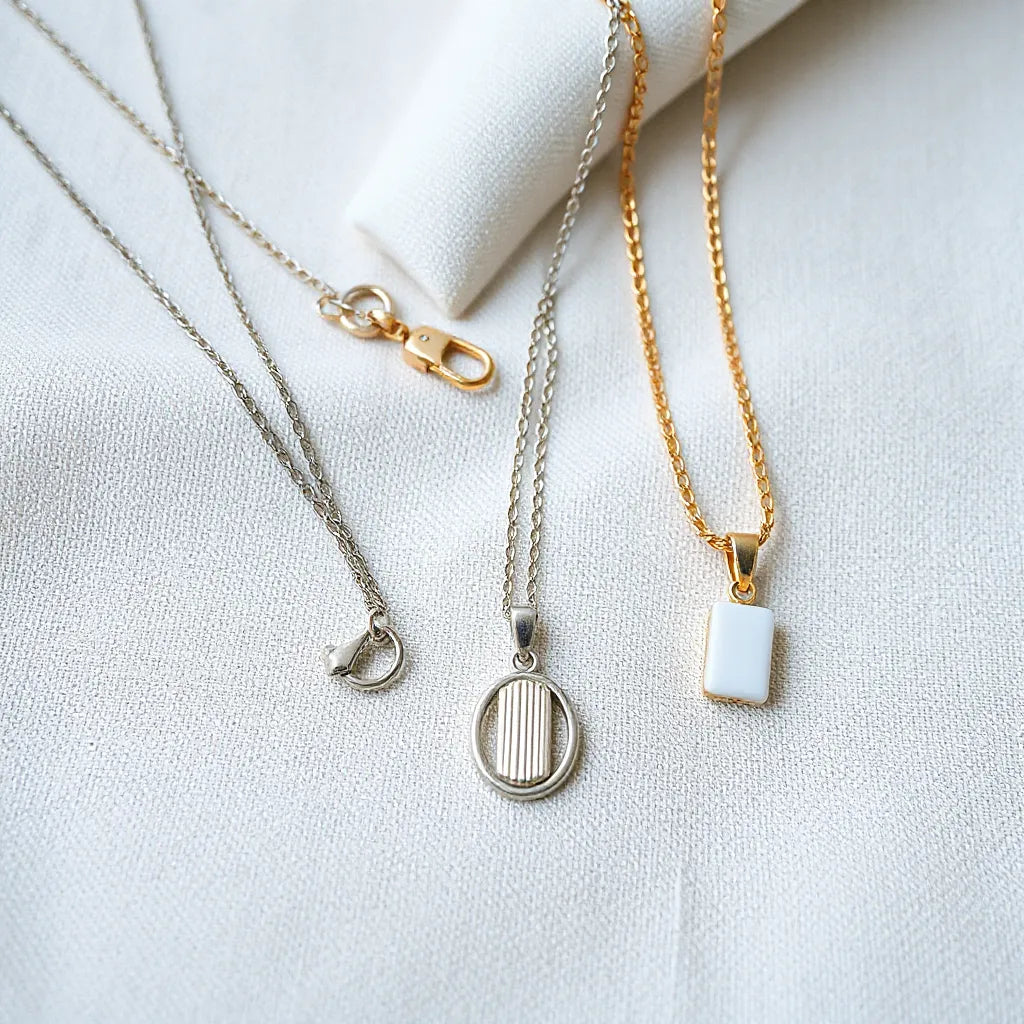
Durable silver necklaces are designed for everyday wear without sacrificing style. Choosing the right chain construction, metal quality, and clasp type strongly influences how well a necklace holds up over time. Proper care, including safe storage and gentle cleaning, can help maintain shine and reduce surface wear. This guide explains what to look for and how to build a reliable silver necklace routine.
1. Why Durability Matters in a Silver Necklace
2. Materials and Finishes That Improve Longevity
3. Chain Construction: The Hidden Driver of Lifespan
4. Clasps, Jump Rings, and Everyday Hardware
5. How to Evaluate Quality Before You Buy
6. A Practical Care Routine for Lasting Beauty
7. Styling Choices That Reduce Wear
8. FAQ
9. Closing Thoughts
Why Durability Matters in a Silver Necklace
A necklace should not only look refined when you first open the box. It should also remain secure, comfortable, and visually consistent as you move through daily routines. Durable silver necklaces address the gap between “looks good initially” and “stays reliable after months of use.” The difference is usually structural: chain links are built to resist deformation, plating and polishing are chosen to slow down tarnish, and hardware is sized to reduce stress points.
From a practical standpoint, longevity affects more than appearance. A stronger chain tends to maintain its original drape, which preserves the way the necklace frames the neck and collarbone. A dependable clasp also reduces the risk of accidental release during dressing, commuting, or light activity.
For people who wear jewelry daily, it is worth treating a silver necklace like a long-term accessory. When durability is prioritized, you can rotate fewer pieces less often, which lowers wear across your collection.
What durability signals beyond “thickness”
Many shoppers assume a heavier necklace will automatically last longer. Weight can help, but it does not guarantee quality. Durability is commonly driven by link geometry, manufacturing tightness, and the finish process that controls tarnish behavior. Two necklaces with similar mass can wear very differently if one uses looser link tolerances or lower-grade alloying.
Chain links, tension points, and drape balance concept
Materials and Finishes That Improve Longevity
The metal choice is the first layer of protection. Most durable silver necklaces use 925 sterling silver, which offers a strong balance between workability and resilience. Sterling silver is well suited to fine chain manufacturing and can support detailed finishes when produced with careful quality control.
In real-world use, surface behavior matters. Silver naturally forms a tarnish layer over time. The goal is not to eliminate tarnish entirely, but to slow the rate and keep the surface uniform. Some necklaces are finished to reduce how quickly tarnish shows. Others may be designed with frequent wear in mind, supported by a maintenance routine that keeps the silver bright.
Why alloy and workmanship matter
Even within sterling silver, details matter. A well-made necklace should have smooth edges on visible link surfaces, consistent link alignment, and fewer microscopic rough spots that can catch residue. Rough surfaces can become dull faster because grime and oils adhere more easily. When you are seeking long-lasting beauty, look for manufacturing that supports a clean, even polish.
Considering vermeil and mixed-metal options
Some shoppers select vermeil finishes for a warmer color tone while keeping a silver base. A gold vermeil layer can change visual wear patterns, since surface abrasion and tarnish behavior differ from pure silver. If you plan to wear a necklace daily, consider how the finish ages and how you will clean it without thinning the top layer.
Chain Construction: The Hidden Driver of Lifespan
Chain construction is often the decisive factor for durability. A necklace lives under constant motion as it rests against clothing, skin, and collars. Over time, the chain must resist kinks, stretching, and uneven link fatigue. The best constructions maintain their shape and continue to fold naturally at joints.
Rope-style and diamond-cut textures
Rope chains and diamond-cut designs are popular because they create visual depth and a lively shine. Durability is improved when the chain is built with consistent link tension and smooth contact surfaces. Textured finishes can also help hide tiny scuffs, but they still require care to prevent buildup that dulls luster.
If you prefer a bright, reflective look, rope-style options with proven manufacturing standards are a strong direction. You can explore sterling silver rope chain styles from Italiabchains rope chain necklaces and compare their link scale and finish clarity.
Choosing the right link scale for daily wear
Chain scale influences both comfort and resilience. Smaller links can feel lighter and sit neatly under collars, but they may require careful hardware pairing to reduce stress. Medium link sizes often balance comfort and strength for everyday use. Larger links can be more robust visually, yet they can shift differently when layered with other jewelry.
Decision map showing clasp type, chain tension, and comfort
Clasps, Jump Rings, and Everyday Hardware
Even the most durable silver necklace can fail at the weakest connection. Clasps and jump rings act as stress concentrators, especially during daily dressing and undressing. A well-designed clasp should close securely with solid alignment, and the attachment points should be sized to avoid strain during movement.
Why clasp quality affects long-term wear
A sturdy clasp helps preserve the necklace’s overall geometry. When a clasp is loose or misaligned, the chain may twist, which accelerates wear. Misalignment can also cause repeated bending at the first links near the clasp, creating early fatigue.
Practical checklist for hardware
- Ensure the clasp closes firmly without excessive play.
- Confirm that the jump ring fits the chain link size and does not force awkward angles.
- Check whether the necklace includes secure attachment points for pendants, if you plan to add one.
- Look for smooth edges where metal contacts metal to reduce friction damage.
When you shop with long-term reliability in mind, treat the clasp as part of the design, not an afterthought. Hardware upgrades can be the difference between a necklace that remains stable and one that needs frequent tightening or replacement.
How to Evaluate Quality Before You Buy
Durability is easier to judge when you know what to inspect. While photos provide a helpful first look, a few details in product descriptions, craftsmanship cues, and material specs can strengthen your decision. For durable silver necklaces, use a systematic approach.
Five quick evaluation steps
- Verify the metal grade. Prefer 925 sterling silver for a dependable balance of strength and aesthetic clarity.
- Assess chain finish and edge smoothness. A consistent shine with minimal visible roughness often indicates careful polishing and link finishing.
- Review chain thickness and link scale. Select a scale aligned with your daily wear habits and comfort needs.
- Check clasp design. Look for secure closure and clean attachment points.
- Consider length and layering fit. A necklace that sits correctly is less likely to snag, twist, or pull against collars and clothing seams.
If you are comparing options, it helps to think in terms of wear patterns. A rope chain may offer a dynamic look, while a different construction may offer a calmer drape. Choose the necklace that matches how you dress and move each day.
For shoppers who value materials and consistent craftsmanship, you can review rope-chain examples such as diamond-cut rope chain in 925 sterling silver and compare construction cues. If you want an alternative thickness and visual density, compare with a 4mm diamond-cut rope option.
A Practical Care Routine for Lasting Beauty
Care is not a complicated task. It is a repeatable routine that reduces tarnish, prevents buildup, and preserves polish. Durable silver necklaces typically age best when cleaning is gentle and consistent, rather than infrequent and aggressive.
Daily habits that protect the surface
- Put on your necklace after applying lotions, hair products, or perfumes.
- Avoid exposing the necklace to harsh chemicals or abrasive cleaners.
- Remove the necklace before swimming or using strong cleaning agents.
- Wipe the chain lightly after wear to remove skin oils and residue.
Cleaning approach for sterling silver
For regular cleaning, use a soft microfiber cloth to polish the surface. This method removes minor film and helps maintain shine. If tarnish becomes visible, use a silver cleaning cloth designed for sterling silver, following the cloth instructions carefully. Do not over-scrub textured areas; gentle pressure is usually sufficient.
After cleaning, store the necklace in a protective pouch or dry compartment to reduce exposure to air. Tarnish forms more quickly when silver repeatedly cycles between humid and dry environments.
Storage to reduce kinks and friction
Silver necklaces can develop micro-kinks when stored under tension or alongside sharper jewelry edges. Store necklaces separately when possible. If you layer necklaces, use small protective dividers to prevent chains from grinding against each other.
Styling Choices That Reduce Wear
Style affects longevity. A necklace that constantly catches on clothing can wear faster at the chain ends and near the clasp. The goal is to maintain a comfortable fit and avoid unnecessary friction.
Layering without stress
- Choose different lengths so chains do not overlap in the same contact points.
- Keep pendant necklaces balanced, so the weight does not pull the clasp end downward.
- Limit heavy stacking if your collar fabric is rough or easily snags.
Pendant compatibility for durable necklace systems
Some people buy durable silver necklaces as a base for pendants. When you attach a pendant, check how it changes the necklace’s balance and how often the pendant swings against the chain. A stable pendant mount reduces oscillation, which in turn reduces twisting and link fatigue.
If you prefer a pendant look, consider matching your necklace with a smooth pendant interface. A simple, secure pendant can help you maintain a consistent drape. You can also explore options like an Italian horn pendant to evaluate how hardware and mounting influences movement.
FAQ
What makes a silver necklace more durable than another?
Durability typically comes from sterling silver quality, consistent chain link construction, secure clasp design, and smooth contact surfaces. A necklace that resists twisting and maintains its drape usually lasts longer during everyday wear.
How often should a durable silver necklace be cleaned?
A light wipe after wear helps remove oils and reduces tarnish buildup. For deeper cleaning, polishing with a silver cloth when tarnish appears is often sufficient. Cleaning frequency depends on skin chemistry, climate, and how often the necklace is worn.
Can I wear a durable silver necklace every day?
Yes, many people wear sterling silver necklaces daily when they follow basic care habits. Consistent storage, gentle cleaning, and avoiding harsh chemicals help preserve shine and reduce wear at stress points.
Does chain thickness guarantee better longevity?
Thickness can contribute to strength, but it does not guarantee durability alone. Link geometry, clasp quality, and manufacturing precision frequently determine how well the necklace resists kinks, deformation, and fatigue over time.
Closing Thoughts
Durable silver necklaces are built on more than appearance. When you prioritize sterling silver quality, reliable chain construction, secure hardware, and a simple care routine, you gain a necklace that stays stable, comfortable, and visually consistent. Choose a design that matches your daily movement, then protect it with gentle cleaning and smart storage. Start with a durable foundation now, and your silver jewelry will continue to support your style for years.
About the Author
Mike Luciano is a jewelry industry specialist with expertise in material selection, chain construction, and long-term accessory care. His work focuses on how craftsmanship choices affect performance in everyday wear. He values clear buying guidance that helps customers choose confidently. Thank you for reading, and take a practical approach to selecting and maintaining your silver necklace.
Disclaimer: This article is for informational purposes only and does not constitute professional financial, medical, or legal advice. Results vary based on individual skin chemistry, climate, and care habits.
Compartir:
925 Sterling Silver Bracelet Care Tips That Last
Unique Italian Jewelry: Styles That Stand Out Naturally