
Updated on: 2026-07-27
Biodegradable cleaning supplies can reduce long-term environmental impact when used correctly. They are designed to break down into less persistent substances, which supports healthier waste and water systems. The best results come from matching the product to the surface, using the recommended dose, and following safe storage practices. This guide explains what to look for, how to use these products effectively, and how to build a responsible cleaning routine.
2. Product Spotlight: Plant-Based Concentrates
3. Why Biodegradability Matters in Everyday Cleaning
4. Step-by-Step How-To: Switch Without Compromising Performance
Introduction
Choosing biodegradable cleaning supplies is one of the most practical ways to align daily routines with environmental responsibility. Many people want products that clean effectively while also supporting better outcomes for water systems and waste streams. However, “biodegradable” is a broad term. It can describe different breakdown rates, testing methods, and end-of-life conditions. To make confident decisions, you need to understand what these products are designed to do and how to use them in a way that supports their intended performance.
This article explains the core features to look for, common misconceptions, and a practical method for switching from conventional cleaners to more environmentally considerate options. The goal is not perfection. The goal is a consistent routine that reduces unnecessary chemical load while maintaining clean, safe spaces.
Product Spotlight: Plant-Based Concentrates
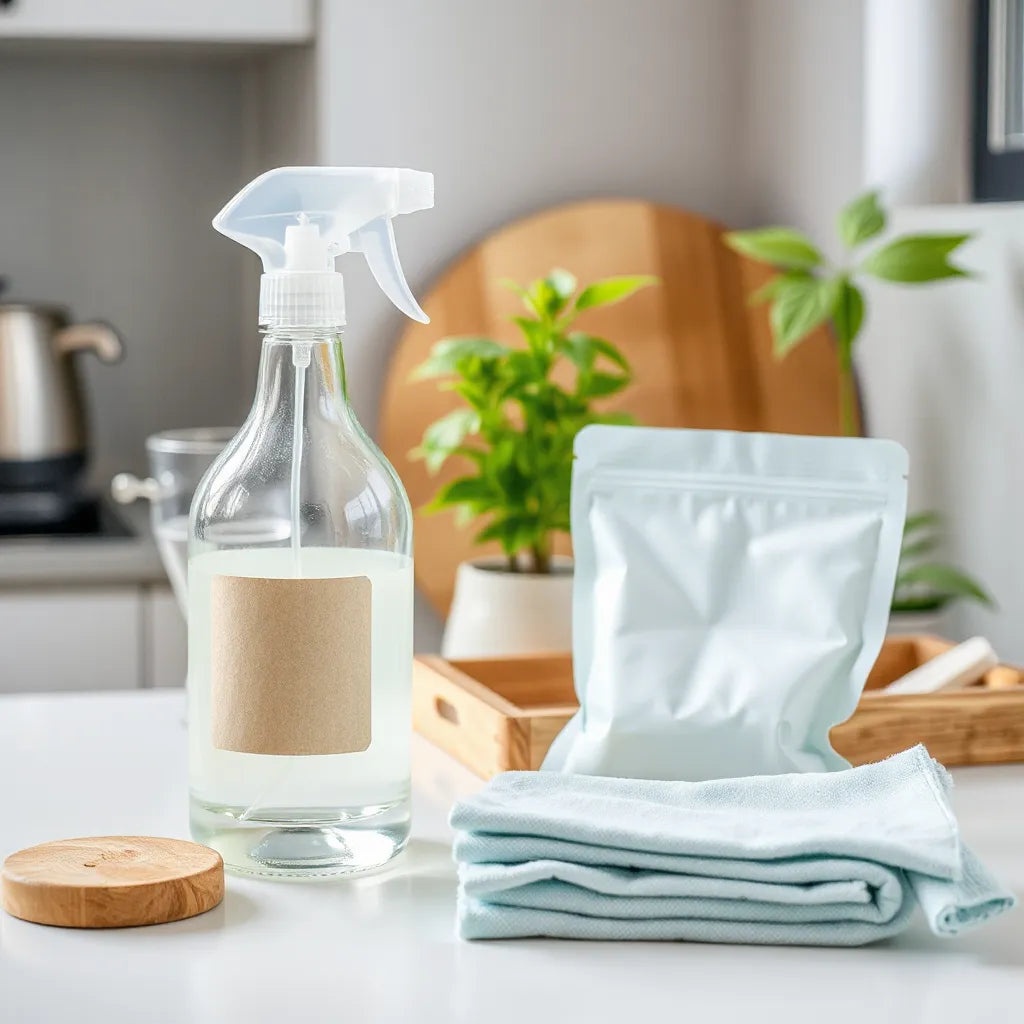
One of the most versatile categories of biodegradable cleaning supplies is plant-based concentrates. Concentrates are often formulated to be effective at lower dosages, which can reduce packaging and waste. They also tend to perform well across multiple tasks, such as degreasing, general surface cleaning, and routine maintenance. When you use a concentrate correctly, you can achieve a clean result without adding excess product to drains.
When evaluating plant-based concentrates, prioritize three elements: transparent ingredient lists, clear usage directions, and credible environmental claims. Look for information that helps you understand how long it takes to break down under relevant conditions and whether the formula is designed for wastewater environments. Avoid vague marketing terms that do not explain standards or testing. A responsible product should help you clean effectively while offering usable, repeatable guidance.

Color-coded bottles and labeled measuring scoop
Why Biodegradability Matters in Everyday Cleaning
Biodegradability is relevant because cleaning products do not disappear the moment you rinse them. After use, they move through wastewater systems, enter treatment processes, and eventually reach receiving environments. If a formula breaks down slowly or transforms into persistent byproducts, it can create longer-lasting environmental pressure.
Biodegradable cleaning supplies aim to reduce that persistence. In practice, biodegradability can matter in three ways:
- Reduced chemical persistence: The formula is designed to break into simpler substances over time rather than remaining intact.
- Lower system stress: Many biodegradable formulas are formulated to be compatible with common treatment pathways, supporting more predictable handling.
- More responsible disposal behavior: When products are formulated with breakdown in mind, proper use and rinsing can align with their environmental intent.
It is also important to recognize limitations. Biodegradation depends on conditions such as temperature, oxygen levels, microbial activity, and treatment infrastructure. A product may be biodegradable in some settings but may not break down instantly in every drain or container. For this reason, using the correct dose matters. Overusing concentrates can add unnecessary load even when the ingredients are designed to break down.
In addition, consider that biodegradability is only one part of the environmental picture. Packaging, concentration, and formulation complexity also influence overall impact. A cleaner routine with fewer unnecessary products can be a meaningful improvement even when you use more than one biodegradable item.
Step-by-Step How-To: Switch Without Compromising Performance
Switching to biodegradable cleaning supplies does not require a complete overhaul of your routine. It requires a practical plan, careful dosing, and thoughtful surface matching. Follow these steps to build a reliable system.
-
Audit your current cleaning tasks: List the surfaces you clean most often. Separate tasks into categories such as glass, counters, floors, bathroom fixtures, and kitchen grease.
-
Select a small starter set: Choose one general-purpose cleaner, one degreaser or multipurpose concentrate, and one product designed for delicate surfaces. This approach prevents unnecessary purchases.
-
Use the recommended dose: Concentrated formulas often work best at the stated ratio. Measuring correctly supports both performance and reduced environmental load.
-
Pre-clean when needed: For heavy grease or thick soil, remove solids first. This reduces how much active cleaner you need and can improve results.
-
Allow correct contact time: Many formulas require brief contact to lift soil. Apply, wait as directed, and then wipe or rinse.
-
Match to the surface: Use gentler formulas on sealed wood, some stone finishes, and glass coatings. Always follow the product instructions to avoid dulling or residue.
-
Control rinse volume: A full soak rinse is not always necessary. Wiping and targeted rinsing can reduce water usage while still removing dissolved residues.
-
Store safely: Keep products sealed, away from heat, and out of reach of children. Proper storage preserves formula stability and reduces accidental spills.
To keep the switch smooth, treat the first two to three weeks as a calibration period. You will learn which ratios work best for your water hardness, cleaning frequency, and the type of mess you encounter. If performance feels weaker at first, review dosing, contact time, and whether the product is intended for the specific surface.

Checklist showing surface types and dosing measurements
Personal Experience: The Moment I Noticed the Difference
When I first evaluated biodegradable cleaning supplies, I approached the switch with caution. I had tried eco-friendly options in the past that left streaks or required extra scrubbing. This time, I focused on a consistent method: correct dosing, simple tools, and surface-specific usage. I replaced a large multi-surface bottle with a plant-based concentrate I could measure accurately.
The change was not dramatic in a single day. It became noticeable over time. The kitchen surfaces stayed cleaner because I used the cleaner more deliberately instead of pouring it in without measuring. I also reduced the number of separate products because the concentrate handled routine grime and periodic degreasing. The result was a simpler cabinet and fewer bottles competing for space.
Most importantly, I felt more confident about the environmental intent of my routine. I understood that biodegradability depends on conditions, but I also saw how correct usage supports the goal. When you use the right amount and give the formula the contact time it needs, performance improves. That experience made me view “green cleaning” as a quality-and-process discipline rather than a tradeoff.
Summary & Recommendations
Biodegradable cleaning supplies can be an effective part of a modern home routine when you choose responsibly and use with intention. The key is to avoid vague assumptions. Instead, confirm that the product provides usable directions, offers clear ingredient information, and aligns with wastewater conditions to the extent the manufacturer describes.
Here are practical recommendations you can apply immediately:
- Start small: Choose a general-purpose cleaner and one targeted option for grease or delicate surfaces.
- Measure precisely: Follow ratios to improve both cleaning performance and responsible use.
- Use a consistent method: Pre-clean solids, apply evenly, allow contact time, and wipe thoroughly.
- Reduce unnecessary variety: Fewer products generally means less packaging and lower overall chemical handling.
If you also maintain a careful approach to your belongings, you may appreciate brands that emphasize craftsmanship and mindful sourcing. For example, Italiabchains makes all handmade silver jewelry in Italy and ships directly to customers. If you want to support thoughtful manufacturing in other areas of your lifestyle, you can explore their collection at handmade silver jewelry.
When shopping for cleaning essentials, prioritize clarity over marketing language. A well-labeled product with straightforward instructions is usually a better investment than a product that only makes broad promises.
Q&A Section
Are biodegradable cleaning supplies actually safe for drains?
They are designed to break down more readily than conventional options, which can support more responsible wastewater behavior. Safety for drains depends on multiple factors, including the specific formula, correct dosing, and local wastewater treatment conditions. To reduce risk, follow label directions, avoid mixing products, and use only the amount required for the task.
Will biodegradable cleaners remove grease as well as traditional degreasers?
Many biodegradable cleaning supplies can handle kitchen grease effectively when used with the right ratio and contact time. The most common reason for underperformance is incorrect dosing or insufficient contact. For heavy soil, pre-clean solids first and apply the cleaner evenly. Then wipe thoroughly and rinse only where needed.
How can I verify that a product is truly biodegradable?
Look for specific information rather than broad claims. Credible labeling often includes testing references, clear breakdown descriptions, and transparent usage instructions. If a product provides no information about standards or testing, treat the claim as uncertain. Always evaluate biodegradability alongside practical guidance for surface use and wastewater conditions.
What is the best way to switch without wasting money?
Use a phased approach. Replace one product at a time, starting with general cleaning. Track results for two to three weeks, then adjust dosing and tools. This method avoids buying a large inventory before you know what works for your home and your cleaning habits.
Can I use biodegradable supplies on glass and delicate finishes?
Yes, but you must match the formula to the surface. Some products are designed for glass, while others are intended for floors, metals, or sealed surfaces. Always test in a small, inconspicuous area first. Follow label directions to avoid residue, dulling, or streaking.
Are there any practices that improve both performance and environmental outcomes?
Yes. Apply the correct dose, remove heavy debris before using liquid cleaners, and do not over-rinse. Use microfiber cloths to lift residues efficiently. A disciplined process typically improves cleaning results while reducing unnecessary product and water use.
How should I store biodegradable cleaning supplies?
Store them according to label instructions in a cool, dry location with lids tightly closed. Keep containers upright to prevent leaks and out of reach of children. Proper storage helps preserve formula stability and reduces accidental exposure.
Do biodegradable cleaning supplies reduce all environmental harm?
No product can eliminate environmental impact entirely. Biodegradable formulas are designed to reduce persistence, but other factors matter, including packaging volume, dilution practices, and how often you clean. The most responsible approach combines better chemistry with better habits.
About the Author
Mike Luciano is an expert in sustainable home product evaluation and practical formulation-based cleaning routines. He focuses on how ingredients, concentration, and usage methods influence both performance and environmental outcomes. His writing emphasizes measurable guidance and responsible decision-making for everyday households. He welcomes questions and encourages readers to choose products with clear labeling and sound instructions.
Thanks for reading, and may your next cleaning routine be both effective and more considerate.
Partager:
Non-Toxic Home Fragrances: Safer Scent Choices Guide
Artisan-Crafted Necklaces: Styling Tips That Shine