
Sterling silver is a popular choice for jewelry due to its beauty and durability, but many people wonder whether it can rust or tarnish. This article explains the differences between rust and tarnish, outlines the main causes of tarnish, and shares practical care tips for maintaining the luster of your sterling silver jewelry.
Understanding these basics is helpful for anyone who owns or is considering sterling silver pieces, especially authentic Italian 925 silver, known for its quality craftsmanship. We also cover how to clean tarnished silver and best practices to help prevent tarnish, ensuring your jewelry remains beautiful for years to come.

Does Sterling Silver Rust or Tarnish? Debunking Common Myths
Many people confuse rust with tarnish, especially when it comes to sterling silver. Rust is a type of corrosion that occurs on iron and its alloys, while tarnish is a thin layer that forms on silver and other metals due to chemical reactions with sulfur compounds in the air.
Rust vs Tarnish on Sterling Silver: Key Differences
Rust is the result of iron reacting with oxygen and moisture, leading to a flaky, reddish-brown coating. In contrast, tarnish appears as a dull gray or black film on the surface of sterling silver, usually caused by the formation of silver sulfide. This tarnishing process does not compromise the integrity of the metal itself, unlike rust, which can lead to structural damage.
Why 925 Sterling Silver Tarnishes but Doesn’t Rust
Authentic 925 sterling silver is an alloy made from 92.5% silver and 7.5% other metals, usually copper. While silver does not rust, the copper content can react with sulfur compounds in the air, leading to tarnish. This natural reaction is influenced by environmental factors such as humidity and exposure to certain chemicals.
What Causes Sterling Silver Tarnish? Chemistry and Environmental Factors
Tarnish on sterling silver is mainly caused by chemical reactions that happen when the metal is exposed to air and moisture. Understanding these reactions can help you take preventive measures to protect your jewelry.
How Sulfur and Oxidation Lead to Sterling Silver Tarnish
Sulfur compounds, found in everyday items like rubber bands, certain foods, and even air pollution, can react with silver to form silver sulfide, which appears as tarnish. Oxidation occurs when silver is exposed to oxygen, but the primary cause of tarnish is the reaction with sulfur compounds. This reaction speeds up in humid environments, making it essential to store silver jewelry properly.
How Copper Contributes to Sterling Silver Tarnish
Copper, a key component of sterling silver, plays a significant role in tarnishing. When exposed to moisture and sulfur, copper oxidizes and forms copper sulfide, which can contribute to the tarnished appearance of silver. The presence of copper in the alloy makes sterling silver more prone to tarnishing compared to pure silver, which is less reactive but can still tarnish over time due to sulfur exposure.
How Can You Clean and Restore Tarnished Sterling Silver Jewelry?
Cleaning tarnished sterling silver jewelry is essential for maintaining its beauty and shine. There are several effective methods to restore your jewelry to its original luster.
Best Ways to Clean Authentic Italian 925 Sterling Silver

-
Baking Soda Paste: Mix baking soda with water to create a paste. Gently apply it to the tarnished areas with a soft cloth, then rinse and dry thoroughly.
-
Commercial Silver Cleaners: Use a silver cleaner specifically designed for sterling silver. Follow the manufacturer's instructions carefully for best results.
-
Toothpaste: A non-gel, non-abrasive toothpaste can work well on light tarnish. Apply a small amount to a soft cloth, gently rub the tarnished areas, and rinse well.
How to Use Polishing Cloths and Silver Cleaners Safely
When using polishing cloths, ensure they are specifically designed for silver. Gently rub the cloth over the tarnished areas without applying excessive pressure, as this can scratch the surface. For silver cleaners, apply the product with a soft cloth, following the instructions carefully to avoid damaging the jewelry.
How to Prevent Sterling Silver Tarnish: Best Practices for Longevity
Preventing tarnish on sterling silver jewelry is easier than dealing with it after it occurs. Here are some best practices to keep your jewelry looking bright and polished.
Storage and Daily Care Tips for Italian Sterling Silver

-
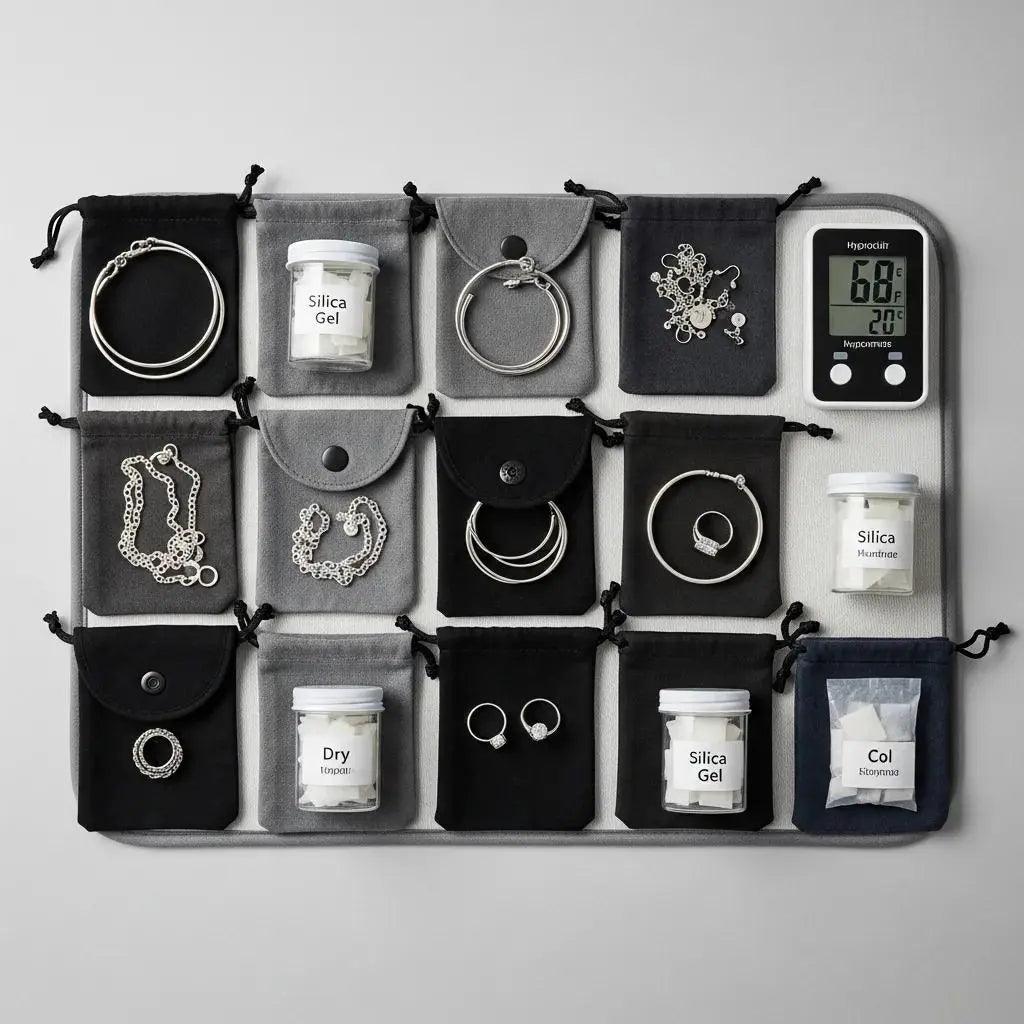
Store in a Dry Place: Keep your silver jewelry in a cool, dry place, preferably in a tarnish-resistant cloth or pouch.
-
Avoid Humidity: Store silver away from humid areas, such as bathrooms, to minimize tarnishing.
-
Regular Cleaning: Clean your jewelry regularly to remove tarnish before it builds up.
How to Avoid Chemicals and Humidity That Cause Tarnish
Avoid exposing your sterling silver jewelry to household chemicals, perfumes, and lotions, as these can accelerate tarnishing. Also, avoid wearing silver jewelry while swimming or showering, as chlorine and saltwater can cause damage.
Why Choose Italia Chains Inc. for Authentic Italian 925 Sterling Silver?
When it comes to purchasing sterling silver jewelry, choosing a reputable manufacturer is crucial. Italia Chains Inc. stands out for its commitment to quality and authenticity.
How Italian Craftsmanship Improves Quality and Tarnish Resistance
Italia Chains Inc. specializes in authentic Italian 925 sterling silver jewelry, crafted with traditional techniques that enhance durability and resistance to tarnish. The meticulous attention to detail and quality control measures ensure that each piece meets high standards, providing customers with beautiful, long-lasting jewelry.
Benefits of Buying Direct-to-Consumer Italian Silver Jewelry
By purchasing directly from Italia Chains Inc., customers benefit from competitive pricing and authenticity guarantees. This direct-to-consumer model eliminates middlemen, allowing for better prices and a more personal shopping experience. Additionally, customers can access a wide range of designs that reflect the rich heritage of Italian craftsmanship.
How to Care for Different Types of Italian Sterling Silver Jewelry
Different types of sterling silver jewelry require specific care to maintain their beauty and longevity. Understanding these needs can help you keep your pieces in excellent condition.
Care Tips for Italian Sterling Silver Chains and Pendants
Italian sterling silver chains and pendants should be cleaned regularly and stored separately to prevent tangling and scratches. Use a soft cloth to wipe them down after wearing to remove oils and dirt.
How to Care for Italian Silver Rings, Bracelets, and Earrings
Avoid wearing rings, bracelets, and earrings during activities that may cause damage, such as exercising or swimming. Clean them gently with a polishing cloth and store them in a dry place to prevent tarnish.
Different cleaning methods vary in how effective they are at restoring tarnished sterling silver jewelry.
|
Cleaning Method |
Effectiveness |
Safety |
Recommended Use |
|
Baking Soda Paste |
High |
Safe |
Regular Maintenance |
|
Commercial Silver Cleaners |
Very High |
Follow instructions |
Heavy tarnish |
|
Toothpaste |
Moderate |
Safe if non-abrasive |
Light tarnish |
This table summarizes the main cleaning methods for restoring tarnished sterling silver and helps you choose the best option for your needs.
Frequently Asked Questions
Can I Wear Sterling Silver Jewelry Every Day?
Yes, you can wear sterling silver jewelry daily, but it's essential to take precautions. Avoid exposing it to harsh chemicals, moisture, and extreme temperatures, as these can accelerate tarnishing. Regular cleaning and proper storage will help maintain its shine.
If you engage in activities that may cause damage, such as exercising or swimming, consider removing your jewelry to prevent scratches and tarnish.
How Can I Tell If My Sterling Silver Is Authentic?
To verify the authenticity of your sterling silver, look for a stamp or hallmark indicating "925," which signifies that the piece contains 92.5% silver. Additionally, reputable sellers often provide certificates of authenticity. If you're unsure, you can also perform a simple magnet test; genuine sterling silver is not magnetic. Consulting a professional jeweler for verification is another reliable option.
What Should I Do If My Sterling Silver Jewelry Is Heavily Tarnished?
If your sterling silver jewelry is heavily tarnished, consider using a commercial silver cleaner designed for such cases. Follow the manufacturer's instructions carefully to avoid damaging the piece. Alternatively, you can use a baking soda paste for a gentler approach. If the tarnish persists, seeking professional cleaning services may be the best option to restore your jewelry's original luster.
Are There Specific Foods That Can Cause Tarnishing Of Sterling Silver?
Yes, certain foods can contribute to the tarnishing of sterling silver due to their sulfur content. Foods like eggs, onions, and some types of fish can release sulfur compounds that react with silver, leading to tarnish. To minimize tarnishing, avoid storing your silver jewelry near these foods and clean it promptly after exposure to any food items that may cause tarnish.
Partager:
44mm vs 6mm Rope Chain: Thickness Guide for Style and Durability
How to Polish Sterling Silver: A DIY Guide to Cleaning and Restoring Your Jewelry