
Updated on: 2026-07-22
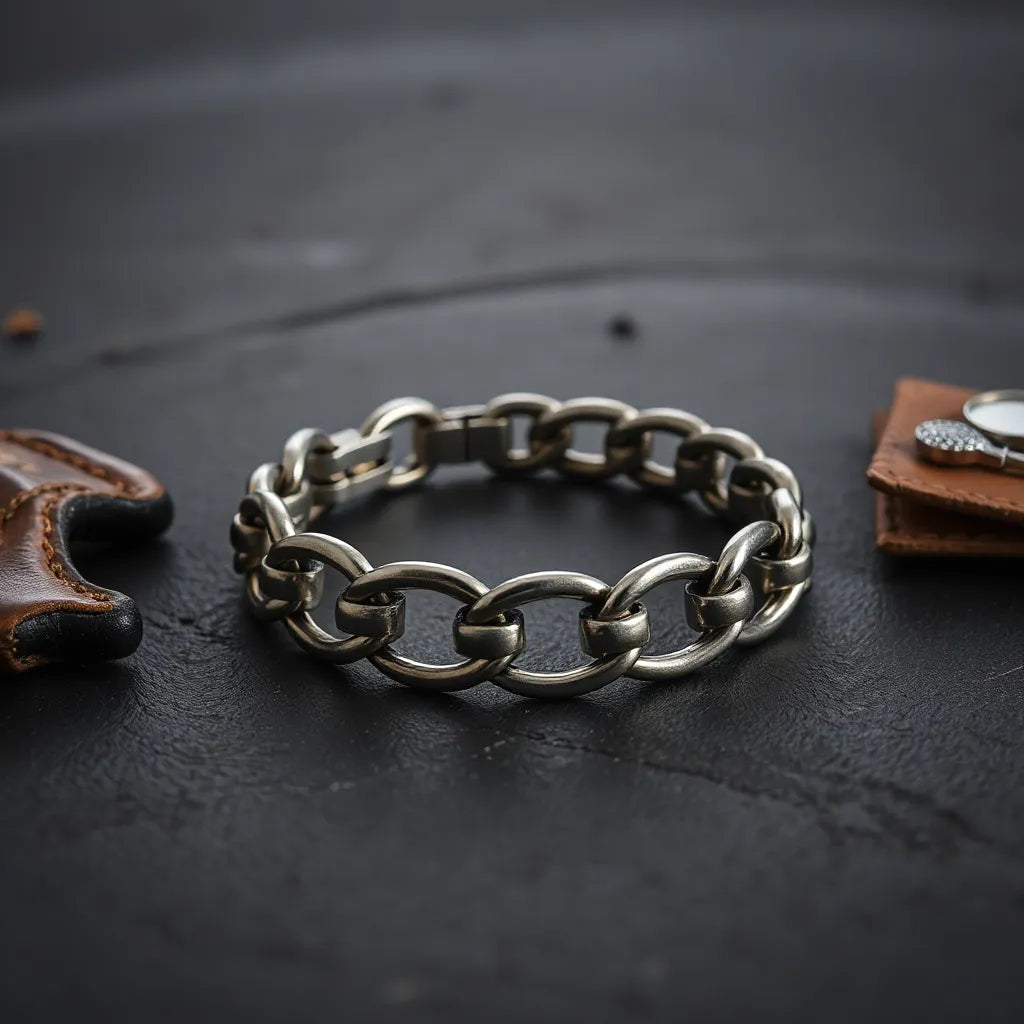
A heavy duty bracelet is designed for daily wear and confident movement. It combines a sturdy profile with reliable hardware and careful finishing. When you choose the right metal and clasp type, you improve comfort and long-term durability. This guide explains how to evaluate materials, links, fit, and care, so you can buy with clarity and wear with peace of mind.
Step-by-Step Guide
Tips
What to Look For in a Heavy Duty Bracelet
Fit and Comfort Considerations
Materials and Construction Details
Care and Maintenance
Matching a Heavy Duty Bracelet to Your Style
FAQs
Wrap-up & Final Thoughts
Step-by-Step Guide
Choosing a heavy duty bracelet becomes simpler when you follow a structured process. Start with your daily use, then confirm the build details that support durability. Finish by verifying fit and maintenance needs so the bracelet remains comfortable over time.
-
Define the use case: daily office wear, active weekends, or long workdays with frequent hand movement. Durability priorities can differ, but hardware reliability always matters.
-
Set a target metal and finish. Sterling silver offers a classic, bright surface. Gold vermeil adds a warm tone while keeping a jewelry-like look for everyday styling.
-
Evaluate the link system and thickness. A heavier visual presence should also translate to strong construction.
-
Inspect the clasp type. A secure clasp reduces the chance of accidental loosening and supports confident wear.
-
Confirm sizing. Measure your wrist and consider whether you want a snug fit or slightly looser comfort.
-
Review care requirements. If you wear it often, choose finishes that you can maintain with routine cleaning and safe storage.
What to Look For in a Heavy Duty Bracelet
A heavy duty bracelet should feel solid from the first touch. Beyond appearance, focus on the elements that reduce wear over time: clasp reliability, link integrity, and finish quality. These factors help the bracelet hold its shape and maintain a consistent look even with frequent use.
1) Hardware that supports secure closure
Look for clasps that close firmly and do not rely on overly delicate mechanisms. A robust clasp improves daily convenience and lowers the chance of misplacement while you move through your routine.
2) Link construction that resists stress
When a bracelet experiences movement, the most common failure points are at link joints and connection areas. Select a bracelet with well-finished link edges and consistent assembly so stress distributes more evenly.
3) Finish quality for long-lasting brightness
Silver jewelry benefits from a smooth surface that catches light evenly. Even when the finish changes slightly over time, careful polishing and safe cleaning can help maintain a refined appearance.

Durable clasp and link stability visualized
4) Appropriate weight for your lifestyle
Heavy does not always mean better. The correct weight supports a “substantial” feel without causing discomfort. If you plan to wear it for long stretches, prioritize balanced weight distribution and smooth contact against your wrist.
Fit and Comfort Considerations
Durability matters, but comfort determines how often you will wear a bracelet. A properly sized heavy duty bracelet should sit securely without pinching, twisting, or creating pressure points. Comfort also affects how the clasp functions and how the links move when you bend your wrist.
Measure your wrist accurately
Use a flexible measuring tape around your wrist where you want the bracelet to rest. If you prefer a snug fit, measure at the tighter point where it feels secure. For more breathing room, add a small amount to allow comfortable movement.
Consider bracelet movement
A bracelet should glide slightly as your wrist moves. If it is too tight, links can rub against each other and the skin. If it is too loose, it can rotate and cause uneven stress at clasp areas.
Account for sleeve and watch wear
If you often wear a watch or push up sleeves, choose a fit that does not clash with other accessories. A good fit supports a smooth experience under daily friction.
When to choose a slightly larger size
Some people prefer a bracelet that stays comfortable during extended wear. If you notice skin marks from tight jewelry, move toward a slightly larger size for better comfort and stable clasp alignment.
Materials and Construction Details
The best heavy duty bracelet choices balance metal performance with design discipline. Sterling silver and gold vermeil are common for daily jewelry because they offer a strong, attractive surface and respond well to routine care.
Sterling silver: classic strength and clean shine
925 sterling silver offers a bright, refined look. It is also a practical choice for people who want a timeless bracelet that pairs easily with casual and formal outfits.
Gold vermeil: warm color with jewelry-grade appeal
Gold vermeil typically combines a gold appearance with a sterling base. This supports versatile styling, especially when you prefer warmer tones in your wardrobe.
Diamond cut rope styling: texture that catches light
Rope styles with diamond cut finishing create a lively surface. The cut edges reflect light more strongly, which enhances visual depth. This style also gives the bracelet a distinctive, structured look while keeping the profile visually cohesive.
Example of a durable everyday option
For a robust look with everyday flexibility, consider this solid 925 option from ItaliaChains. Handcrafted silver jewelry is designed to feel substantial without sacrificing comfort.

925 Sterling Silver 4mm Diamond Cut Rope Bracelet
Shop the 4mm diamond cut rope bracelet
Handmade silver jewelry stands out when assembly quality and finishing choices remain consistent. Italiabchains makes all jewelry in Italy and ships directly to the customer, which supports a streamlined purchase experience.
Care and Maintenance
Proper care extends the useful life of a heavy duty bracelet. The goal is simple: prevent buildup, minimize friction, and store it in a way that reduces scratching. You do not need elaborate routines, but consistent habits make a visible difference.
Routine cleaning for everyday wear
After regular use, gently wipe the bracelet with a soft, lint-free cloth. This removes oils and surface residue that can dull shine. If you wear it in environments with sweat or dust, cleaning becomes more important.
Safe cleaning approach
Use mild soap and lukewarm water if needed, then rinse thoroughly. Dry the bracelet completely with a soft cloth. Avoid harsh chemicals or abrasive materials, since these can damage the finish.
Storage that prevents scratches
Store your bracelet separately from other jewelry. Soft pouch storage or a dedicated compartment helps prevent contact that can cause small scratches and loss of surface brightness.
Avoid unnecessary friction
Friction from rough fabric, tight sleeves, and frequent impact can create micro-wear over time. A comfortable fit reduces stress and helps maintain the bracelet’s polished look.
When to consider professional inspection
If the clasp begins to feel loose, misaligned, or difficult to close, a quick inspection can prevent gradual issues. Early attention helps maintain reliable closure performance.
Matching a Heavy Duty Bracelet to Your Style
A heavy duty bracelet supports both structure and flexibility. You can style it to complement your everyday wardrobe without forcing a specific look. When your bracelet has a clean metallic tone and a consistent design language, it pairs more easily with other accessories.
Pair with neutrals and tailored outfits
For a refined look, match a sterling or vermeil bracelet with neutral colors such as white, black, gray, and navy. The metal tone becomes a controlled accent rather than a dominant distraction.
Balance with chain necklaces
If you wear a chain necklace, aim for a compatible visual scale. A rope-style bracelet often pairs well with rope-style necklaces because the surface texture aligns.
Explore complementary chain options, such as a rope necklace in sterling silver, by browsing the 3mm diamond cut rope necklace selection from ItaliaChains.
Use layering to create a deliberate look
Layering bracelets can work when the designs share similar finishing and metal tone. If you prefer one statement piece, keep the remaining accessories minimal and let the bracelet provide structure.
Match to footwear and outerwear details
Metal finishes often look best when they echo other hardware elements such as belt buckles, watch cases, or zipper pulls. This creates a cohesive accessory story without additional styling effort.

Styling balance with texture, clasp, and metal tones
Tips
Choose clasp reliability over aesthetic alone, since closure performance determines daily durability.
Prioritize smooth link edges to improve comfort during extended wear.
Measure your wrist and consider movement, not only static fit.
Use gentle cleaning and avoid abrasive tools to protect diamond cut surfaces.
Store your bracelet separately to reduce micro-scratches and preserve shine.
If you frequently wear other jewelry, select a bracelet profile that does not create friction.
When styling, keep metal tones consistent to maintain a polished visual result.
FAQs
How do I know if a bracelet is truly heavy duty?
Look for evidence of robust clasp hardware, consistent link construction, and a finish that remains smooth during wear. A heavy duty bracelet should feel substantial, close securely, and resist twisting or shifting on your wrist.
What is the best metal choice for daily wear?
925 sterling silver is a strong everyday option due to its classic shine and practical durability. Gold vermeil also performs well for frequent wear when cared for with gentle cleaning and appropriate storage.
What clasp types are most reliable for strong everyday use?
In general, secure clasps with clear alignment reduce accidental loosening. The most reliable option is the one that closes firmly, stays closed during normal movement, and remains easy for you to operate without forcing the mechanism.
How often should I clean my heavy duty bracelet?
Wipe it after heavy sweat exposure or outdoor activity, and do gentle cleaning when the surface begins to look dull. For most wearers, routine cloth wiping plus occasional mild soap cleaning is sufficient to preserve shine.
Wrap-up & Final Thoughts
A heavy duty bracelet is an investment in dependable style. By evaluating clasp hardware, link construction, metal choice, and fit, you ensure the bracelet supports daily motion and consistent comfort. Maintain its brightness with gentle cleaning and careful storage, and you will keep the finish looking polished. If you want a well-built option, consider handcrafted silver jewelry designed in Italy, such as pieces from ItaliaChains, where jewelry ships directly to your customer.
For related styling ideas, you can also explore additional chain finishes at Singapore chain necklaces and coordinate metal tones across your accessories.
About the Author
Mike Luciano is a jewelry industry specialist with expertise in handmade silver jewelry, including durability-focused design and everyday wear performance. His guidance emphasizes practical selection criteria such as fit, finishing, and long-term maintenance. He supports customers in choosing pieces that match real routines, not only appearance. For a confident purchase, apply the checklist in this guide and select the bracelet that feels secure and comfortable from day one.
Disclaimer: This article provides general information for jewelry selection and care. It does not replace professional advice or product-specific instructions. Always follow the care guidance provided with your bracelet and handle jewelry with care to reduce risk of damage.
Partager:
Natural Skincare Solutions for Clear, Healthy Skin
Organic Cotton Clothing: Benefits, Fit, and Care Tips