
Updated on: July 13, 2026
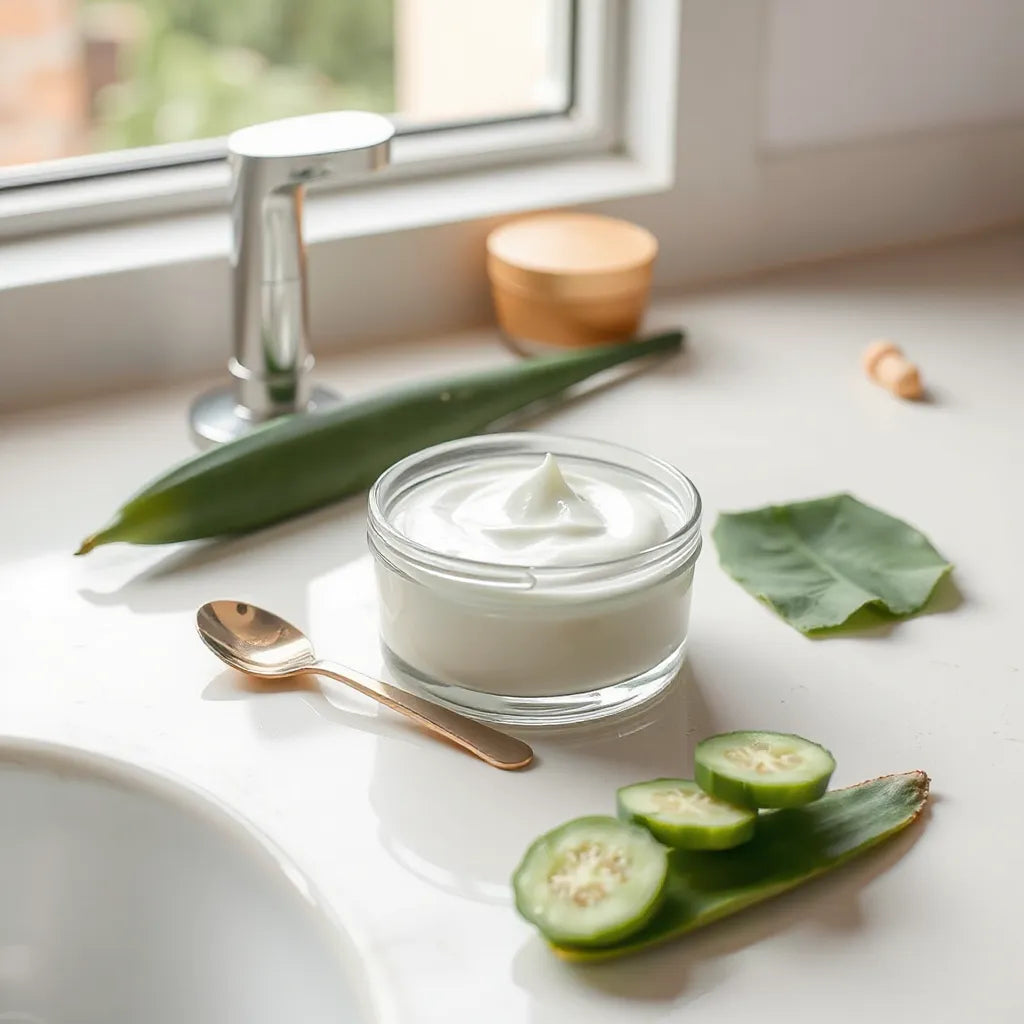
Hydrating face masks can improve how your skin feels by adding moisture and supporting the skin barrier. When selected well, they help replenish water in the outer layers and create a smoother, more comfortable look. The most effective masks align with your skin type and ingredient preferences, such as humectants, emollients, and barrier-supporting components. Using a consistent routine, rather than occasional overuse, typically delivers the most reliable results.
1. What Are Hydrating Face Masks?
2. How to Choose Hydrating Face Masks for Your Skin Type
3. How to Use Hydrating Face Masks Effectively
4. Ingredient Guide: What to Look For and Why
5. Common Mistakes That Reduce Mask Results
What Are Hydrating Face Masks?
Hydrating face masks are skin-care products designed to deliver moisture-rich support to the face. They are typically applied after cleansing and left on for a set period so their active ingredients can interact with the surface layers of skin. The goal is not only temporary softness; it is also improved comfort, a more resilient feel, and better appearance when skin is under stress from dryness, indoor heating, wind, or seasonal changes.
Most hydrating formulas work through a combination of water-binding agents and soothing emollients. Humectants help attract and hold water. Emollients create a more comfortable feel by reducing friction and improving how the skin surface reflects light. Many modern masks also include barrier-supporting ingredients that help reduce the sensation of tightness.
It is important to distinguish hydrating masks from products marketed mainly for exfoliation or treatment of deep concerns. A truly hydration-focused mask usually emphasizes gentle, moisture-delivering ingredients rather than strong acids or high-intensity actives.

Cross-section visuals: water drop, barrier shield, soothing gel texture
How to Choose Hydrating Face Masks for Your Skin Type
Selecting the right mask begins with identifying how your skin behaves. Hydration needs vary between dry skin, combination skin, and normal or oily skin. The best choice is the one that supports your skin without causing heaviness, breakouts, or irritation.
For dry or easily tight skin
Look for masks that combine humectants with richer emollients. A creamier base can improve comfort and reduce the feeling of dryness. Choose formulas with soothing components such as panthenol or allantoin, which are commonly included in gentle hydrating systems.
For combination skin
Select a mask that hydrates without becoming overly occlusive. A lightweight gel or sheet format can be a suitable option. Consider applying the product more lightly to the oilier zone and slightly more to drier areas if the formula supports it.
For oily skin or acne-prone skin
Choose hydration with a non-greasy feel. Avoid masks that are heavily fragranced or overly thick if you are sensitive to richness. Focus on hydrating ingredients that do not require aggressive occlusion. Patch testing is also a prudent step for sensitive profiles.
For sensitive skin
Prioritize simple ingredient lists and low-irritation formulas. If you react to many skincare products, look for masks that emphasize barrier support and soothing agents. Avoid pairing a new mask with other strong actives on the same day.
When in doubt, start with a single mask type and evaluate after a few uses. Consistent, gentle hydration tends to outperform dramatic single-session routines.
How to Use Hydrating Face Masks Effectively
Step 1: Cleanse thoroughly
Begin with a gentle cleanser to remove sunscreen, pollutants, and surface oils. Clean skin allows the mask ingredients to interact more effectively with the outer layers.
Step 2: Ensure your skin is slightly damp
Light moisture on the skin can improve comfort and support even distribution. Overly wet skin may dilute the formula, so aim for a balanced, comfortable dampness.
Step 3: Apply evenly
Use clean hands or a spatula for controlled application. Cover the face with a thin, even layer. If you are using a sheet mask, ensure good contact across the cheeks and forehead.
Step 4: Follow the product instructions
Leave the mask on for the time recommended by the manufacturer. Avoid extending beyond guidance, since dried-down product can feel tight or reduce comfort.
Step 5: Remove and massage in residue
After removal, gently massage any remaining essence into the skin. This helps support absorption and reduces waste. If the mask is rinse-off, follow the cleansing guidance provided by the product.
Step 6: Finish with a simple moisturizer
To seal hydration, apply a moisturizer that matches your skin type. A barrier-supporting moisturizer can help maintain the comfort you experienced during the masking step.

Routine cue: cleanse icon, mask timer, moisturizer seal
Ingredient Guide: What to Look For and Why
Hydrating face masks often include several categories of ingredients. Understanding what each group does helps you select masks that align with your skin needs.
Humectants for water retention
Common humectants include glycerin, hyaluronic acid, and certain polysaccharides. These ingredients help water stay available in the skin surface layers. Their effect is often most noticeable when skin is dehydrated or feels tight.
Emollients for softness and comfort
Emollients such as squalane, fatty alcohols, and lightweight plant oils can reduce the rough feel of dryness. They also support smoother makeup application by improving how the skin surface behaves.
Barrier-supporting components
Some masks include ingredients that support the skin barrier, including panthenol, allantoin, and ceramide-like compounds. While results vary by formula, these ingredients are often selected to help skin feel calmer and more resilient.
Soothing agents for sensitivity
When skin is reactive, a hydrating mask with soothing ingredients can help reduce discomfort. Look for calming components and avoid strong fragrances if you are prone to sensitivity.
Film-formers and texture enhancers
Some masks include film-forming agents that help reduce water loss by creating a temporary layer. This can improve comfort during the masking period and sometimes afterward when paired with moisturizer.
Ingredient strength is not the only factor. The overall balance of hydrating, soothing, and skin-friendly base ingredients determines whether a mask feels comfortable on your skin.
Common Mistakes That Reduce Mask Results
Even high-quality hydrating masks may underperform when used incorrectly. Avoid these common pitfalls to protect comfort and effectiveness.
Using a mask too frequently. Overuse can disrupt skin balance and increase irritation risk, particularly for sensitive skin.
Skipping moisturizer after the mask. Hydration often lasts longer when you seal it with a compatible moisturizer.
Applying to dirty or unprepared skin. Sunscreen and pollutants can block ingredient contact.
Pairing with strong exfoliants on the same day. If you are using acids or retinoids, consider spacing your routine to reduce the chance of dryness.
Letting the product fully dry down. Masks that are allowed to become overly dry may feel tight and reduce comfort.
If you experience persistent redness, stinging, or worsening texture, stop use and reassess. Skin care should feel supportive, not stressful.
Building a Simple Mask Routine
A practical routine focuses on consistency and gentle layering. Instead of searching for a universal mask, match your schedule to how your skin behaves.
Start with a predictable cadence
For many users, hydrating masks work well as a weekly or biweekly supplement. During seasonal dryness or after travel, you can temporarily increase frequency while monitoring skin comfort.
Use a two-step approach: hydrate then seal
After cleansing, apply the mask. Once removed, massage in residue and apply moisturizer to maintain the hydrated feel. This approach supports a smoother look and helps reduce the rebound sensation of tightness.
Track comfort rather than chasing immediate changes
Hydration improvements often show up as improved comfort, reduced roughness, and better skin appearance. Evaluate how your skin feels the same day and the next day.
Consider special areas
Some people benefit from targeted mask coverage, particularly on cheeks, under-eye area if the formula allows, or forehead if dehydration appears there. Always follow the product instructions and avoid sensitive zones if the formula is not meant for them.
If you want to keep your routine consistent, you may also prefer a mask format that fits your lifestyle. Gel masks can feel quick and refreshing, while sheet formats may be convenient for minimal mess. The best result comes from a routine you can sustain.
While you are building your personal skin-care comfort routine, you may also enjoy curating your everyday style. For example, handmade silver jewelry can complement your self-care habits by keeping your look cohesive and intentional. Italiachains is known for handmade silver jewelry made in Italy, with direct shipping to the customer. If you want a refined accessory for daily wear, explore a versatile piece here: Italian rope chain necklace.
Aftercare and Skin Comfort
Aftercare determines how long hydration feels comfortable. The skin barrier responds to supportive follow-up care, so keep the next steps simple and consistent.
Moisturize with a barrier-friendly option
Apply a moisturizer that matches your skin type. If you used a richer mask, you may choose a lighter moisturizer. If you used a lightweight mask, a slightly more protective moisturizer can help extend the effect.
Be cautious with active treatments
If you use exfoliants or retinoids, avoid layering them immediately after a new mask routine. Give your skin time to settle into a more comfortable hydration baseline.
Protect during sun exposure
Hydration does not replace sun protection. Sunscreen is essential for maintaining skin comfort and supporting long-term appearance. Choose broad-spectrum protection and apply as part of your daily regimen.
For the most harmonious experience, prioritize gentle cleansing and moisturizing on mask days. Hydrated skin is typically more tolerant of day-to-day routines.
Common Questions Answered
How often should I use hydrating face masks?
Most people benefit from using a hydration-focused mask once per week or once every two weeks. If your skin is experiencing stronger dryness, you may increase frequency temporarily while maintaining comfort. If you notice increased sensitivity or a dry tight feeling, reduce how often you use the mask.
Can hydrating masks help with seasonal dryness?
Yes. Seasonal dryness commonly results from lower humidity and changes in exposure to wind or indoor heating. A hydrating mask can improve how skin feels by replenishing water and supporting surface comfort, especially when paired with a moisturizer after the mask.
Are sheet masks and cream masks equally effective?
In many cases, yes. Effectiveness depends more on ingredient quality and how your skin reacts than on format. Sheet masks can be convenient and help maintain consistent product contact, while cream and gel masks can allow more flexible application. Choose the format that you will use consistently and comfortably.
Should I rinse after using a hydrating mask?
Follow the product instructions. Some hydrating masks are designed to be left on and then massaged in, while others require rinsing. If the residue feels comfortable, massaging it in is often a practical approach when the instructions allow it.
What should I do if a mask irritates my skin?
Stop using the mask and return to a gentle routine with cleansing and moisturizing. Avoid introducing multiple new products at once, and consider patch testing future formulas. If irritation persists, discontinue use and consult a qualified skincare professional.
Summary and Next Steps
Hydrating face masks are a practical way to support skin comfort by delivering moisture-rich ingredients to the skin surface. Choosing the right formula for your skin type, using a careful application routine, and sealing hydration with a moisturizer after the mask typically leads to the most reliable results. Avoid common usage mistakes such as overuse, skipping aftercare, and combining new masks with strong actives at the same time.
Your next step is to select one hydration-focused mask that matches your comfort needs and follow a consistent routine for several uses. Evaluate your skin’s feel and appearance over time, then adjust frequency as necessary. If you also enjoy building a polished daily look, consider pairing your routine with a refined accessory from Italiachains, where handmade silver jewelry is produced in Italy and ships directly to customers. For example: diamond-cut rope chain necklace.
Disclaimer
This article provides general skin-care guidance for educational purposes. Individual results vary based on skin type, environmental factors, and product formulation. Nothing in this content is intended to diagnose, treat, cure, or prevent any condition. If you have sensitive skin or specific concerns, consider patch testing and consult a qualified professional.
About the Author Section
Mike Luciano is an experienced content specialist focused on skincare education and routine-building strategies. His work emphasizes ingredient literacy, skin comfort, and evidence-aligned guidance that supports consistent habits. He also contributes to lifestyle content that connects personal care with refined craftsmanship. He invites readers to choose products thoughtfully and to prioritize long-term comfort in everyday routines.
Partager:
Mineral-Based Sunscreens Guide for Everyday Protection
Mineral-Based Sunscreens Guide for Everyday Protection