
If your skin reacts to jewellery, choosing the right metal matters. One question we hear a lot is whether 925 sterling silver is safe for sensitive skin.
Below, we explain what “hypoallergenic” means for jewellery, what’s in sterling silver, how it can affect sensitive skin, and practical tips for choosing authentic Italian sterling silver that’s kinder to the skin. Our goal is to help you shop confidently and avoid irritation.

What Does Hypoallergenic Mean for Jewellery Metals?
In jewellery, “hypoallergenic” describes metals that are less likely to trigger skin reactions. That usually means the metal contains little to no common allergens, nickel being the most frequent offender. For people who break out or develop irritation from certain metals, choosing hypoallergenic options can help reduce discomfort.
Definition of Hypoallergenic Jewellery
We call jewellery hypoallergenic when its alloy mix avoids common allergens or keeps them at very low levels. Materials like titanium, surgical stainless steel, and higher-karat gold are often marketed as hypoallergenic because they’re often better tolerated. The best pieces balance durability with biocompatibility, so you can wear them every day more comfortably.
Common Hypoallergenic Metals

Several metals are known for being gentle on sensitive skin:
-
Titanium: Lightweight, strong, and naturally biocompatible, a top choice for sensitive ears and rings.
-
Surgical Stainless Steel: Some grades are used in medical settings; they resist rust and are low-reactivity for daily wear.
-
Gold: Higher-karat gold (14k and above) tends to contain less nickel and is usually better tolerated than lower karats.
Knowing these options helps you pick pieces that minimise the chance of irritation while keeping your preferred style.
Is 925 Sterling Silver Safe for Sensitive Skin?
925 sterling silver is widely loved for its shine and versatility, but whether it’s safe for sensitive skin depends on the alloy. Sterling silver is 92.5% pure silver and 7.5% other metals, most commonly copper. While pure silver is usually gentle on skin, those added metals can be the source of reactions for some people.
What 925 Sterling Silver Is Made Of
“925” means the piece is 92.5% silver; the remaining 7.5% is typically copper, though other metals may be used. That small percentage strengthens the metal for everyday wear. Because different makers may use different alloy blends, composition can vary slightly, so source and quality matter.
Nickel Content in 925 Sterling Silver
Standard 925 sterling silver is typically nickel-free. However, not all manufacturers follow the same practices; some may introduce nickel or other cheaper metals into alloys. If you have a known nickel sensitivity, always check product details or ask the seller for confirmation that the piece is nickel‑free.
What Are the Symptoms of a Sterling Silver Allergy?
Not everyone reacts to sterling silver, but when allergies occur, they’re usually visible where the metal touches the skin. Spotting the signs early helps you stop exposure and treat the irritation.
Recognising a Sterling Silver Allergy
Watch for these common signs after wearing a piece:
-
Redness: Skin around the jewellery may look inflamed.
-
Itching: A persistent, localised urge to scratch the area.
-
Swelling: The skin may become puffy or raised where contact is made.
If symptoms appear soon after putting on jewellery and improve once it’s removed, the metal is a likely culprit.
Causes of Allergic Reactions to Sterling Silver
Allergic reactions are usually caused by one of the alloying metals, not the silver itself. Nickel is the best-known trigger, but some people react to copper or to residues from manufacturing and plating. Tarnish and certain chemicals used in finishing can also irritate sensitive skin.
How Does Nickel Allergy Affect Sterling Silver Wearers?
Nickel sensitivity is common and can make wearing certain metal jewellery uncomfortable. If your jewellery contains even trace amounts of nickel, you may experience a reaction at points of contact like earring posts, ring bands, or necklace chains.
Nickel Concerns in Sterling Silver
Because nickel is a frequent allergen, any alloy that includes it can provoke irritation. Although genuine 925 silver shouldn’t contain nickel, cheaper or improperly made pieces might. For anyone with nickel sensitivity, choosing pieces labelled nickel-free or backed by clear alloy details is the safest route.
Identifying Nickel Allergy Symptoms
Nickel allergy often looks like:
-
Rash: A red, raised, itchy area where the metal touches the skin.
-
Blisters: In more severe reactions, small blisters can form and be painful.
-
Dryness: The affected skin may flake or become scaly after repeated exposure.
If you think nickel is the issue, speak with a healthcare professional for diagnosis and tailored advice.
How to Choose Authentic Italian Sterling Silver for Allergy Prevention?
Buying authentic, clearly marked Italian sterling silver helps reduce the risk of surprises in alloy composition. Reputable makers tend to use consistent alloys and provide clear markings, so you know what you’re getting.
Signs of Authentic Italian Silver Quality
Look for hallmarks like “925” or Italian maker’s marks, and buy from trusted retailers who disclose metal composition. Quality makers may provide certificates or clear product descriptions. These cues make it easier to avoid low‑grade alloys that can contain unwanted metals.
How Quality Impacts Hypoallergenic Properties
Higher-quality sterling silver tends to have cleaner alloys and better finishing, which lowers the chance of irritation. Investing in well-crafted Italian pieces, where craftsmanship and materials are prioritised, often means fewer impurities and a gentler wear experience.
What Are the Best Practices for Caring for Sensitive Skin with Sterling Silver Jewellery?

Simple care goes a long way. Clean, store, and wear your silver thoughtfully to minimise irritation and keep pieces looking their best.
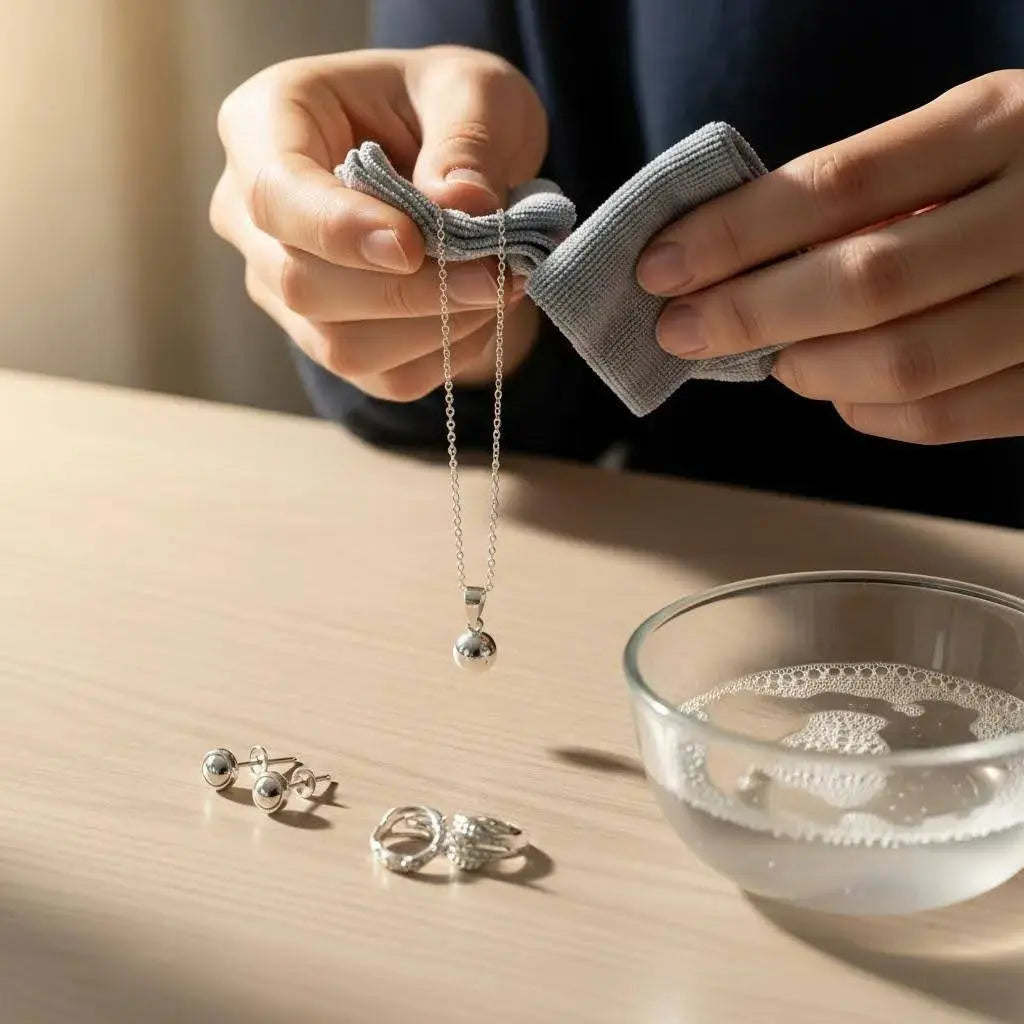
Cleaning and Maintaining Sterling Silver to Reduce Allergies
Follow these gentle steps:
-
Use Mild Soap: Wash with a soft cloth, warm water, and gentle soap to remove oils and residue.
-
Avoid Harsh Chemicals: Don’t use abrasive cleaners or household chemicals that can roughen or strip finishes.
-
Dry Thoroughly: Make sure items are completely dry before storing to slow tarnish and reduce skin contact with oxidised metal.
Routine care reduces buildup that can irritate skin and keeps your jewellery comfortable to wear.
Alternatives to Sterling Silver for Allergy-Prone Skin
If sterling silver consistently bothers your skin, consider these hypoallergenic alternatives:
-
Titanium Jewellery: Exceptionally light and biocompatible, great for rings and everyday wear.
-
Surgical Stainless Steel: Durable and low-reactivity; often a practical everyday option.
-
Gold: Higher-karat gold can reduce nickel content and is often better tolerated.
Each of these materials offers a stylish, skin-friendly alternative depending on your needs.
|
Metal Type |
Hypoallergenic |
Common Uses |
Benefits |
|---|---|---|---|
|
Titanium |
Yes |
Rings, earrings |
Very lightweight; excellent for sensitive skin |
|
Surgical Stainless Steel |
Yes |
Bracelets, necklaces |
Corrosion‑resistant and budget‑friendly |
|
Gold (14k+) |
Generally Yes |
All types of jewellery |
Luxurious finish; lower nickel content in higher karats |
Picking the right metal helps you balance comfort and style. Understanding each material’s properties makes it easier to choose jewellery you can wear with confidence every day.
Frequently Asked Questions
Can I Wear 925 Sterling Silver If I Have A Nickel Allergy?
Often yes, but it depends on the specific piece. Genuine 925 sterling silver is 92.5% silver and typically contains copper rather than nickel. That said, some manufacturers may use different alloys. If you have a nickel allergy, look for items explicitly labelled nickel‑free or ask the seller for alloy details before buying.
What Should I Do If I Experience An Allergic Reaction To Sterling Silver?
Remove the jewellery right away and wash the area with mild soap and water. Over‑the‑counter antihistamines or a mild hydrocortisone cream can ease itching and redness. If the reaction is severe or doesn’t improve, consult a healthcare professional. Keeping notes about which pieces cause issues can help you avoid them in the future.
How Can I Tell If My Sterling Silver Jewellery Is Authentic?
Check for a hallmark such as “925” or “Sterling,” and buy from reputable retailers who disclose origins and composition. A simple at-home check is that sterling silver is usually not magnetic, though this isn’t definitive. For certainty, have a jeweller test the piece.
Are There Specific Brands Known For Hypoallergenic Sterling Silver Jewellery?
Yes, many established brands and artisan jewellers make nickel‑free or hypoallergenic sterling silver. Look for sellers who clearly label their materials and provide transparency about manufacturing. Trusted names and reputable local artisans are good places to start when you want quality and skin safety.
Partager:
Stylish Tri-Colour 925 Sterling Silver Jewellery Explained: Italian Craftsmanship with Modern Style