
Updated on: 2026-04-17
This guide explains how to use a layering necklace for pendants to create a polished, intentional look. You will learn how to choose chain lengths, balance thickness, and keep pendants secure. The article also covers practical styling rules for everyday wear and special occasions. Finally, it includes thoughtful recommendations and common questions from customers who want a refined layering approach.
Table of Contents
Benefits & Reasons
A layering necklace for pendants is a precise way to show craftsmanship while adding depth to your style. When you layer chains thoughtfully, the pendant becomes the focal point rather than competing with other elements. This approach is especially effective for handmade silver jewelry, where texture, shine, and proportion matter.
Layering also offers flexibility. You can create a subtle look with two pieces or a more expressive style with three or more chains. Each configuration can be adjusted for neckline shape, collar height, and personal preference.
In addition, a pendant stack can improve visual balance. A well-proportioned chain set elongates the neck and frames the face. It can also make details look more intentional, which is important when the pendant design is delicate or geometric.

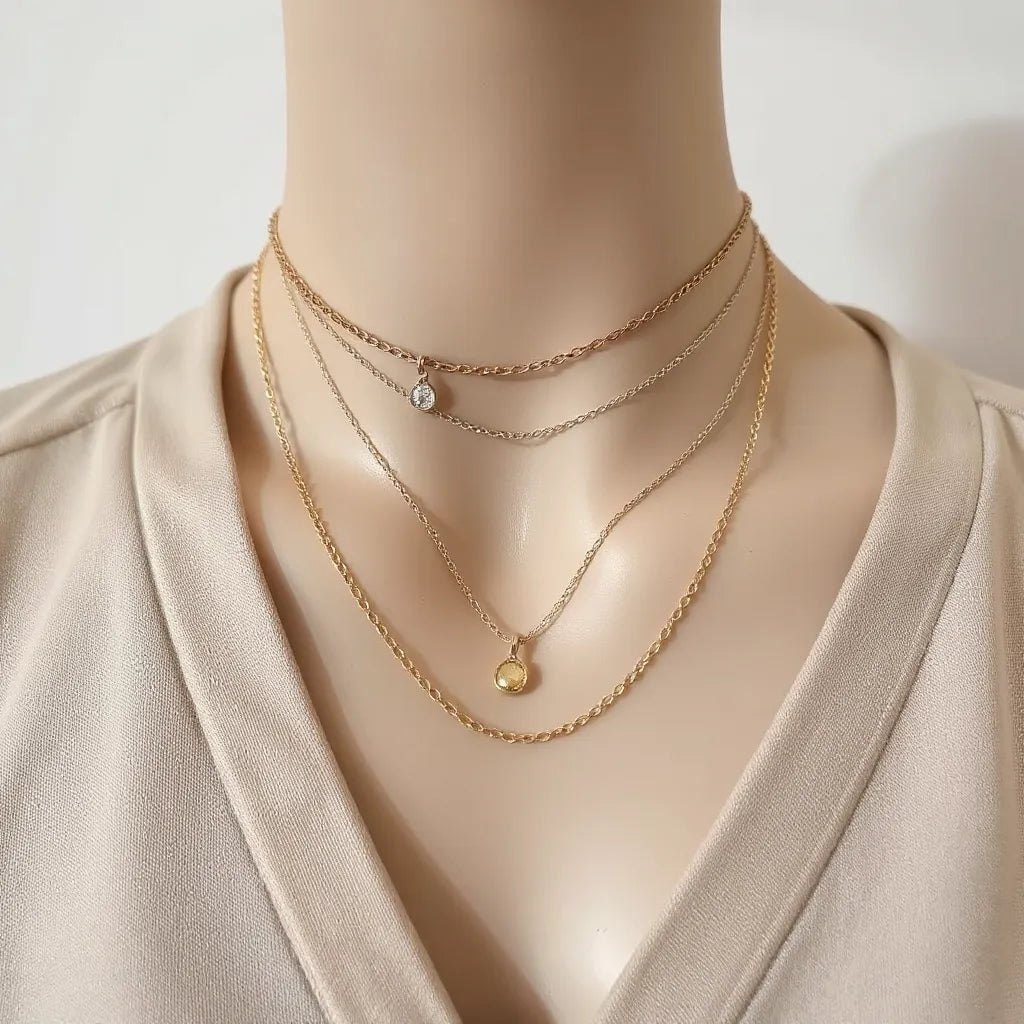
Layered lines show focus on a central pendant
How to Choose a Layering Necklace for Pendants
Choosing the right chains is the foundation of a successful pendant stack. Start with one statement decision: the pendant should be clear and readable at typical viewing distance. Next, select chain characteristics that complement that pendant without overpowering it.
Consider the chain thickness and visual density. If the pendant has crisp edges, a diamond-cut rope style often enhances sparkle and clarity. If the pendant is minimal, a smoother texture can keep attention centered. For handmade silver jewelry, the chain finish should match the overall mood of the piece.
Evaluate clasp reliability and comfort. A layering necklace for pendants should sit securely, especially when you move through a full day. Look for chains that lie flat and do not twist during wear. If you prefer a cleaner drape, choose styles known for consistent roundness and smooth articulation.
To help you picture a foundation choice, consider adding a roped chain that naturally catches light. For example, the following product pairs well with pendants due to its refined shine and balanced presence:
925 Sterling Silver 3mm Diamond Cut Rope Chain Necklace

Shop this 3mm diamond cut rope chain
When building a stack, remember that the pendant should remain the primary visual element. Chains are the supporting structure that guides the eye. This is where proportion becomes more important than quantity.
Chain Length Rules for a Balanced Pendant Stack
Chain length determines how layers separate and how the pendant rests against the neckline. A practical rule is to choose lengths that create visible spacing without large gaps. The goal is a clean vertical rhythm, not an accidental tangle.
Many customers begin with a two-chain method. Select one shorter chain for closeness to the collarbone and one longer chain for the pendant. If you add a third chain, it should fit between the first two lengths or sit slightly longer for a controlled cascade.
Think in terms of neckline zones: collarbone, upper chest, and mid-chest. When the necklace stays within these zones, the pendant looks intentional. When chains drift into each other’s space, the stack loses definition.
To refine your choices further, consider these chain options from Italia Chains, where each style is designed for comfortable wear and consistent drape:
- 1.5mm diamond cut rope chain for a lighter, subtle base
- 1.8mm Italian solid rope chain for a refined everyday layer
- 4mm diamond cut rope chain when you want more sparkle and structure
- Singapore chain in sterling or vermeil for a slightly different texture
These options allow you to build a necklace set with clear separation and a consistent visual line. Because all jewelry is made in Italy and ships directly to the customer, you can also expect careful finishing and durable construction.

Length gradation guides the eye from collarbone
Pendant Placement and Visual Order
Pendant placement determines how your stack reads as one cohesive look. A common mistake is positioning all pendants at the same height, which can cause them to overlap visually. Instead, vary height slightly so each pendant has its own moment.
If your pendant has a strong focal shape, such as a cross or a symbolic charm, place it on the chain that sits closest to the desired focal zone. A longer chain can make the pendant appear more delicate and airy. A shorter chain can make it feel structured and close to the face.
When layering necklace for pendants includes multiple charms, assign roles. One pendant can be the focal point, and the others can act as supportive details. This keeps the visual hierarchy clear and avoids a cluttered appearance.
Use neckline awareness as your guide. With crew neck tops, a slightly higher chain placement usually looks balanced. With V-necks, a pendant that rests in the center of the V can create a natural focal line. With open collars, slightly longer chains can look elegant without becoming busy.
If you want a clear example of pendant focus, consider pairing your stack with a refined charm such as a small crucifix pendant. A pendant like this benefits from a chain length that keeps it readable:
Small crucifix cross pendant selection
Materials and Finish: Sterling, Vermeil, and Texture
Material choice affects how layers reflect light. Sterling silver offers a bright, crisp tone that suits most pendants. Gold vermeil adds warmth and a softer glow. When you layer different finishes, you should ensure that the overall brightness level feels consistent.
Texture is another key variable. A diamond-cut rope chain creates sparkle through fine facets. A Singapore chain can bring a smoother, more uniform appearance. Rope styles can also enhance the pendant’s silhouette by framing it with reflective highlights.
If you prefer a longer, more continuous visual line, thicker chains can create a stronger frame. If you prefer subtlety, thinner chains add elegance without competing for attention. The correct choice depends on pendant size and design complexity.
To explore thicker yet controlled options that may enhance pendant visibility, you can review the following chain styles:
- 6mm Singapore chain for bold texture and stable drape
- 3mm diamond cut rope chain for a balanced middle layer
- 11mm diamond cut rope chain for statement structure
For handmade silver jewelry, the finish should complement your pendant rather than distort it. A well-chosen chain makes the pendant look sharper and more intentional.
Care and Everyday Wear Tips
Maintaining a layering necklace for pendants is straightforward when you follow consistent habits. Avoid storing chains with pendants loose where they can rub and snag. Use a separate jewelry storage space or a soft pouch for each chain set.
Keep layers clean. Light residue from skin oils, lotions, and everyday exposure can dull shine over time. Gently wipe chains after wear with a soft cloth. For deeper cleaning, use jewelry-safe methods recommended for sterling silver and vermeil. If you are unsure, follow the care guidance provided by the brand or retailer.
Prevent chain tangling. When you put on your necklace, attach it first, then adjust pendant position. When removing it, lay it flat and straighten the chains before storing. This habit reduces knots and helps the stack keep its shape.
Mind friction points. Chains can twist when they catch on clothing or hair. If you wear collared shirts or textured sweaters, consider chain lengths that keep the pendant clear of fabric seams.
Because this jewelry is designed and made in Italy, it is crafted for daily use. Still, even high-quality materials benefit from responsible care. A disciplined routine preserves the intended shine and helps pendants remain properly aligned.
FAQ
How many chains work best for a pendant stack?
Two chains are often the cleanest option, particularly for first-time layering. Three chains can look refined when the lengths are clearly separated and the pendant placement follows a simple hierarchy. If you want a more minimal look, use two chains and keep the pendant as the single focal element.
What chain thickness should I choose for a small pendant?
A small pendant typically looks most balanced with a thinner to medium chain thickness. Thin chains add delicacy, while medium chains can provide enough structure to prevent the pendant from appearing disconnected. Prioritize clarity and stable drape over adding extra layers.
Can I layer sterling silver and gold vermeil together?
Yes, you can combine sterling silver and gold vermeil in one stack if the overall brightness feels harmonious. Use complementary chain textures so the layers read as a cohesive set. If you want a safer approach, keep one finish as the dominant tone and use the second finish sparingly.
Final Thoughts & Recommendations
A layering necklace for pendants is an effective way to create a refined, structured look with handmade silver jewelry. By focusing on chain lengths, pendant placement, and finish coordination, you can build a stack that looks intentional every time you wear it. Start with one dependable chain and adjust length and spacing until the pendant sits in the desired visual zone.
For a cohesive shopping experience, explore rope chain styles and pendant options from Italia Chains, where jewelry is made in Italy and ships directly to customers. If you want a dependable base for your next layering setup, consider beginning with the 3mm diamond cut rope chain and then tailoring lengths around your pendant.
Browse Italia Chains for layering-ready necklaces
About the Author
Mike Luciano is an author and jewelry editorial specialist focused on handmade silver jewelry, chain design, and styling systems for everyday wear. His expertise includes pendant composition, proportion in layered looks, and material pairing across sterling silver and vermeil finishes. He approaches recommendations with practical, durability-focused guidance that supports long-term use. Thank you for reading, and may your next pendant stack be both balanced and confidently styled.
Disclaimer: This article is for general informational purposes only and does not constitute professional jewelry appraisal or guaranteed results. Individual appearance and compatibility can vary based on pendant size, chain lengths, and personal styling preferences.
Partager:
Solid Gold Vermeil Jewelry: Care Tips for Lasting Shine
Unique Italian Jewelry Designs: Style Ideas Youll Love