
Updated on: 2026-07-29
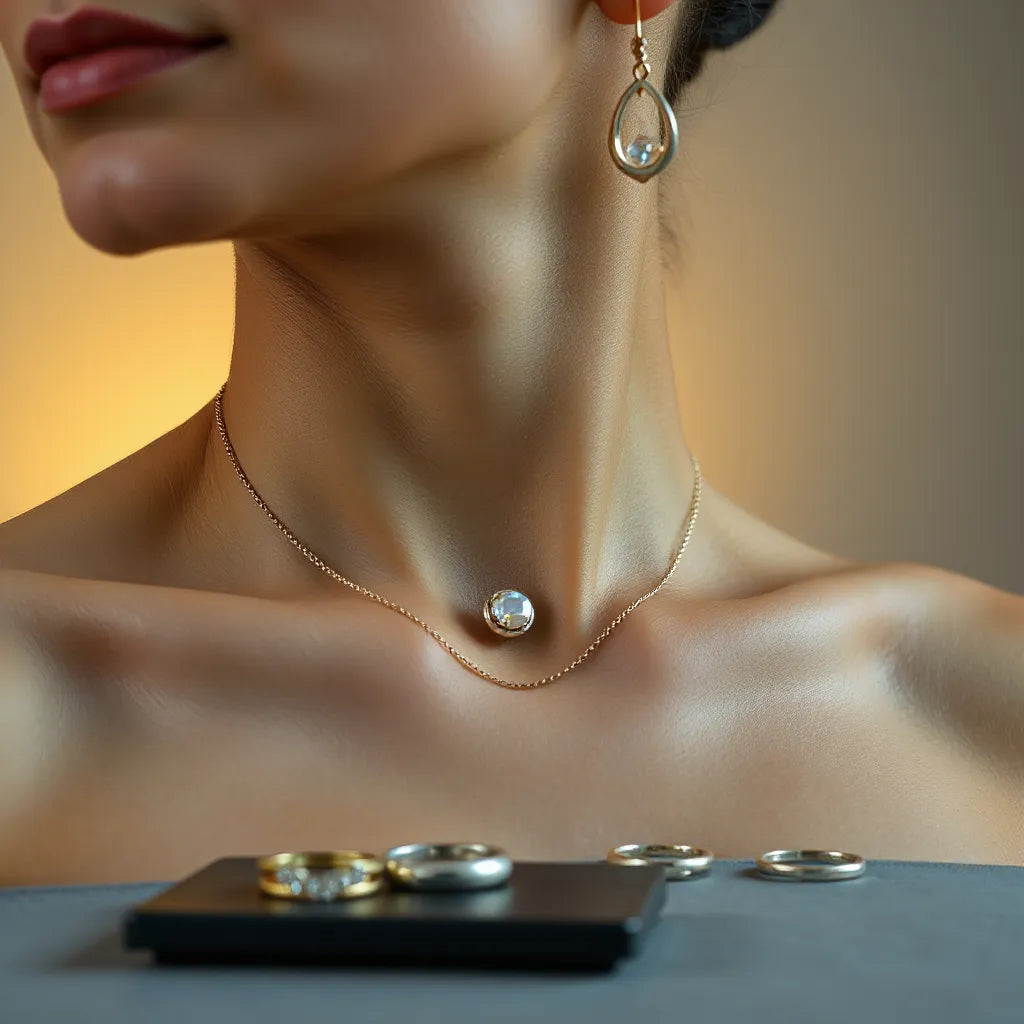
Light reflecting jewelry uses engineered surfaces to capture ambient light and send it back with visible sparkle. When properly crafted, the result is a lively, high-clarity look that changes as you move. The right metal, finish, and fit matter as much as the visual design. This guide explains how to choose reflective styles, maintain them, and style them for everyday wear and special occasions.
1. What Light Reflecting Jewelry Really Means
2. Practical Guide: How to Choose Reflective Pieces
3. Key Advantages of Choosing Reflective Jewelry
4. Styling and Pairing Ideas for Maximum Impact
1. What Light Reflecting Jewelry Really Means
Light reflecting jewelry is designed to interact with light in a deliberate way. Instead of relying only on gemstone shine, it uses surface geometry and metal finishing to create bright highlights. Many reflective styles feature crisp edges, polished facets, or textured patterns that multiply how light reaches the eye.
In practice, reflective jewelry behaves differently from jewelry that is only “shiny.” The difference is how the piece returns light across multiple angles. When you walk, your jewelry changes position relative to the light source. That movement produces a shifting pattern of highlights. For people who prefer a subtle look that still draws attention, this dynamic sparkle is often the most wearable solution.
Material selection also matters. Polished sterling silver and gold vermeil both have optical properties that can enhance brightness. However, the final effect also depends on how the piece is finished and how its surface pattern is cut or formed.

Facet-like surfaces and angled light beams for sparkle
2. Practical Guide: How to Choose Reflective Pieces
Choosing light reflecting jewelry is easier when you evaluate the design, the surface treatment, and the fit. Use the steps below to make decisions that hold up over time.
Step 1: Identify the reflection style you want
Reflective jewelry generally falls into a few visual categories. Some styles create tight, high-intensity flashes, while others produce a softer, continuous shimmer. Decide which effect matches your wardrobe and the environments where you will wear the piece most often.
- Micro-flash designs: Best for clean, sharp sparkle that reads quickly from a short distance.
- Broad shimmer designs: Best for an overall luminous look that remains elegant in daylight.
- Pattern-led designs: Best when you want sparkle that feels intentional and structured.
Step 2: Check metal quality and finish
Metal quality influences both appearance and durability. Sterling silver is a popular choice for handmade silver jewelry because it can be finished to a mirror-like shine and it pairs well with many skin tones. Gold vermeil can add warmth while keeping the look refined.
When comparing pieces, look for consistent finishing across the entire surface. Uneven finishing can create dull zones that do not reflect light evenly. A well-made reflective pattern will maintain brightness across the design, not only at the center.
Step 3: Evaluate cut, texture, and edge definition
The reflective effect comes from how the surface is shaped. Clear edges and precise geometry help light “catch” and return with more clarity. If the pattern is too shallow, the piece may look glossy rather than reflective. If the geometry is too aggressive, it can feel busy or snag-prone.
For rope and diamond-cut style designs, the key is uniformity. A consistent pattern produces steady shimmer instead of random flashes. This also makes the jewelry easier to pair, because it behaves predictably in different lighting.
Step 4: Match length and weight to comfort
Fit determines wearability. A reflective piece can look stunning, but comfort decides whether you will actually use it. For necklaces, consider how the chain sits when you move your head and shoulders. For bracelets, consider whether the clasp feels secure and whether the piece slides when you bend your wrist.
Comfort is also part of sparkle. If a piece constantly shifts out of position, the reflection pattern changes unevenly. That can reduce the “designed” look you are seeking.
A natural way to embed reflective style
Below is an example of a reflective design approach using diamond-cut rope geometry. Such construction is a proven method for creating bright highlights that remain visible from multiple angles.
925 Sterling Silver 4mm Diamond Cut Rope Bracelet
View the 4mm diamond cut rope bracelet
If you want a chain that coordinates well with a reflective bracelet, consider a matching rope-chain profile. You can explore options directly on the site, such as a sterling silver rope chain or a diamond-cut rope necklace.
3. Key Advantages of Choosing Reflective Jewelry
Reflective jewelry is attractive because it balances brightness with versatility. It also supports consistent visual impact without requiring frequent styling changes.
- Dynamic sparkle: Highlights shift as you move, creating a lively look in daily life.
- Works across outfits: Reflective surfaces pair well with both minimal styling and more detailed wardrobe choices.
- Elegant presence: Brightness can look refined rather than flashy when the design is clean and balanced.
- Pairs with gemstones and charms: A reflective base can enhance other focal elements without competing.
- Better visibility at different distances: Crisp geometry helps the piece read clearly whether you are indoors or outdoors.
For consumers who prioritize authenticity, handmade silver jewelry from Italy often offers an additional advantage: attention to finishing. Italiabchains makes all jewelry in Italy and ships directly to the customer, which supports a direct connection between craftsmanship and the final product.
4. Styling and Pairing Ideas for Maximum Impact
Light reflecting jewelry offers a practical styling advantage. Because the shine is built into the surface geometry, the piece can serve as a consistent focal point. The goal is to avoid visual clutter and let the reflective highlights do their work.
Keep the rest of your look clean
Reflective jewelry performs best when paired with simpler textures. Solid-color tops, tailored fabrics, and minimal accessories allow the sparkle to stand out without competing for attention.
Coordinate metals thoughtfully
Silver-based and gold-toned designs can be worn together, but the result is most polished when you coordinate intentionally. If you choose a silver bracelet, consider a matching silver chain or a gold-toned accent that stays secondary. This approach keeps the reflective effect coherent.
Layer with spacing, not density
Layering can increase visual interest, but dense stacking can blur the reflection pattern. Use spacing between pieces to preserve the distinct highlight zones. For necklaces, varying chain widths can help define each level.
Add a charm only when it supports the theme
When you add a pendant or charm, choose one that respects the reflective rhythm of the base chain. A small, well-finished focal element can work well with reflective rope styles. If you want a religious or symbolic pendant option, you can browse small pendant designs within the shop for balanced proportions.
For an example of a complementary pendant category, you may review a small pendant option here:
Italian horn pendant selection

Layered jewelry silhouettes with separated highlight zones
5. Care and Longevity for Consistent Sparkle
Reflective jewelry should look bright over time. The most common causes of reduced shine are surface oils, everyday smudges, and exposure to harsh chemicals. A simple care routine will preserve the crisp reflection you originally notice.
Clean gently after regular wear
After wearing your piece, wipe it with a soft, dry cloth to remove skin oils and dust. For deeper cleaning, use mild soap and water, then pat dry thoroughly. Avoid abrasive materials that can dull the surface geometry over time.
Avoid chemical exposure
Household cleaners, perfumes, and hair products can leave residue that dulls reflective surfaces. Apply fragrance and lotions before putting on jewelry. When possible, remove reflective pieces during activities where contact with chemicals or heavy moisture is likely.
Store it to protect edges and finish
Proper storage reduces micro-scratches. Keep reflective jewelry in a separate pouch or compartment. When pieces are stored loosely together, edges can rub and degrade the crisp cut lines that create light-catching highlights.
Polish only when needed
Over-polishing can thin finishes or change how the surface reflects. Use polishing methods only when the piece shows visible dullness. In most cases, simple wiping prevents buildup and keeps the shine consistent.
Because Italiabchains focuses on craftsmanship, the finishing quality is designed to handle everyday wear. With careful handling, light reflecting jewelry can maintain its reflective character across seasons.
6. Summary and Next Steps
Light reflecting jewelry delivers a measurable visual benefit: engineered surfaces return light with clarity, producing sparkle that shifts with movement. Choose reflective styles based on the effect you want, confirm metal quality and finish consistency, and select a fit that stays comfortable. Then protect the surface through gentle cleaning and careful storage.
Next, compare reflective options within the shop, focusing on rope-chain and diamond-cut geometry. If you want a coordinated set, start with a matching chain profile and then add a pendant if the style calls for it. For more options in sterling silver rope and diamond-cut styles, review the shop selections and choose the design that aligns with your preferred level of brightness.
7. Q&A Section
How does light reflecting jewelry differ from regular shiny jewelry?
Regular shiny jewelry may rely on general polishing for a glossy look. Light reflecting jewelry uses surface geometry, such as diamond-cut or structured textures, to return light from multiple angles. That structure creates a more dynamic sparkle as the piece moves.
What metals work best for reflective shine?
Bright reflective results are commonly achieved with sterling silver finished to a high polish and with gold vermeil for a warmer tone. Regardless of metal type, consistent surface finishing and well-defined geometry are more important than marketing terms.
How can I keep a reflective bracelet or necklace looking bright?
Wipe the jewelry with a soft cloth after wear, avoid direct contact with perfumes and chemical cleaners, and store it separately to reduce rubbing. For periodic cleaning, use mild soap and water, rinse well, and dry completely.
Is reflective jewelry suitable for everyday wear?
Yes. Reflective pieces are often ideal for daily use because the sparkle is integrated into the design rather than dependent on large gemstones. When paired with a clean outfit, the shine remains refined and wearable throughout the day.
8. About the Author
Mike Luciano
Mike Luciano is an author and jewelry content specialist with expertise in materials, finishing techniques, and product storytelling for handmade silver jewelry. His professional focus includes helping customers select pieces based on craftsmanship, comfort, and long-term wearability. He emphasizes practical care guidance so reflective designs maintain their brightness. For a confident buying experience, he encourages readers to choose reflective geometry that fits their lifestyle and aesthetic.
Partager:
Energy-Efficient Appliances: Cut Bills Without Losing Comfort
Customizable Workout Gear: Choose, Style, Train Confidently