
Updated on: 2026-07-11
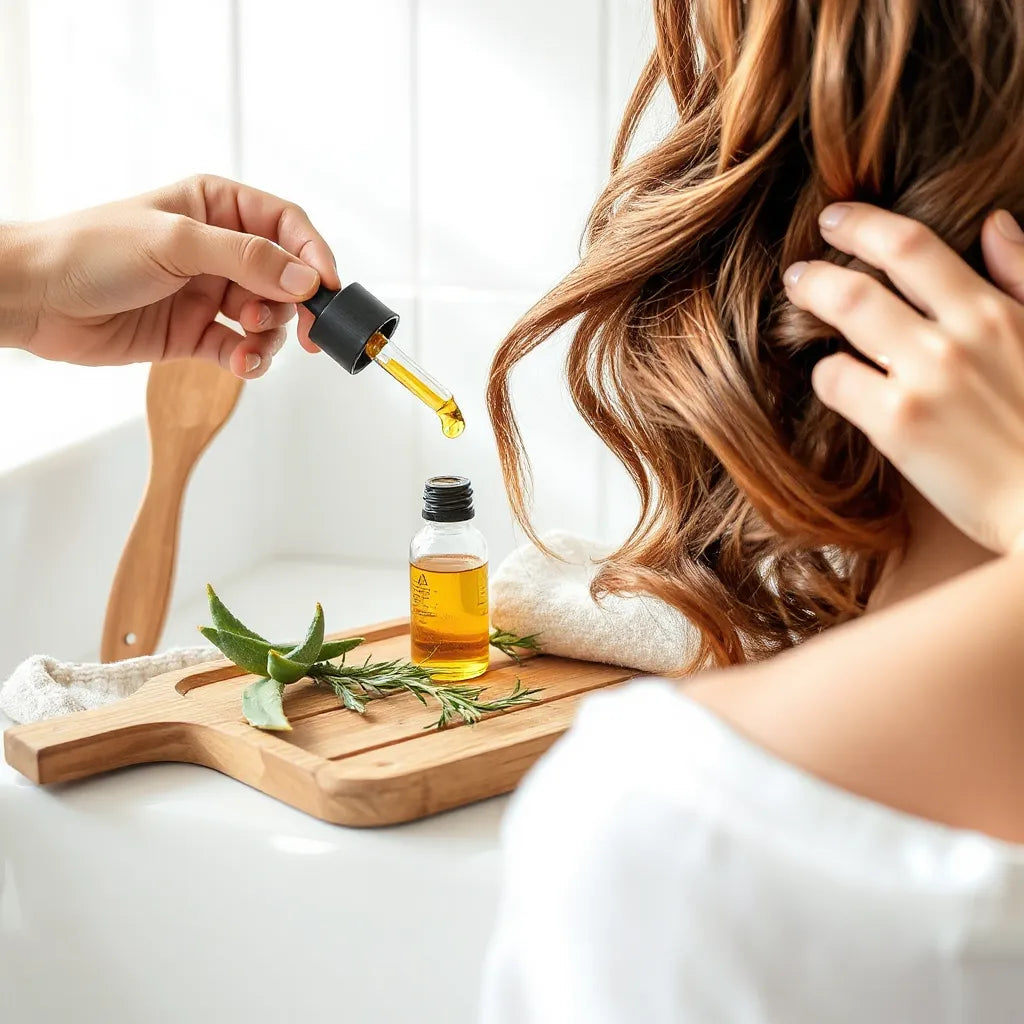
Natural hair care solutions are built around ingredients and routines that respect hair biology and your scalp environment. When you choose gentle cleansers, targeted conditioning, and consistent moisture support, you reduce friction and improve manageability. A thoughtful routine also helps you avoid common problems linked to overwashing, heat exposure, and harsh product choices. This guide explains how to design a balanced plan for healthy texture, shine, and long-term resilience.
Table of Contents
- 1. Key Benefits of Natural Hair Care Solutions
-
2. Step-by-Step Guide to a Simple Natural Routine
- 2.1. Assess Your Hair Texture and Scalp Needs
- 2.2. Select a Gentle Cleanser and Set a Washing Rhythm
- 2.3. Condition for Slip, Detangling, and Moisture Retention
- 2.4. Seal Moisture and Reduce Breakage with Light Styling
- 2.5. Protect Length with Low-Friction Habits
- 2.6. Track Results and Adjust Gradually
- 3. FAQ Section
- 4. Summary & Final Thoughts
- 5. About the Author
Key Benefits of Natural Hair Care Solutions
Many people use the term natural hair care solutions to describe products and practices derived from plant-based or minimally processed ingredients. The most important factor is not the marketing label. The real value comes from choosing formulas and routines that align with how your hair strand and scalp respond to moisture, friction, and cleansing.
- Improved moisture balance: Well-formulated conditioning steps help hair feel softer and more flexible, especially after cleansing.
- Reduced friction: Detangling support and low-friction styling reduce mechanical stress that leads to shedding and breakage.
- More predictable routine: A consistent, simple plan is easier to follow than frequent product switching.
- Scalp-friendly cleansing: Gentle washing can help maintain comfort while supporting healthy-looking roots.
- Better definition and shine: When moisture and sealing are paired well, hair can hold shape with less frizz.

Moisture map: scalp comfort, strand softness, reduced breakage
Natural routines are especially helpful for curls, coils, and textured hair. These hair types often need more conditioning and careful detangling because natural curl patterns can be sensitive to overdrying and rough handling. A disciplined approach supports flexibility while limiting the need for excessive heat and heavy buildup.
Step-by-Step Guide to a Simple Natural Routine
A natural hair care approach works best when it is practical. Start with a few core actions, then refine them. Use the steps below as a structured framework that can adapt to your hair density, length, and styling preferences.
2.1. Assess Your Hair Texture and Scalp Needs
Begin by identifying what your hair needs most at this moment. Consider texture, porosity indicators, and how your scalp feels between washes. If your roots feel tight or itchy, your cleanser may be too strong or too frequent. If your ends look dry, your conditioning and sealing may require stronger moisture retention.
- Hair texture: Looser waves usually tolerate lighter products; tighter curl patterns often benefit from more slip and richer conditioning.
- Scalp sensitivity: Notice whether fragrance, sulfates, or high-foaming formulas create discomfort.
- Moisture behavior: If hair absorbs water quickly but dries fast, you may need improved sealing and consistent leave-in conditioning.
This is also a good time to examine your current routine habits: detangling method, towel use, and how often you manipulate hair during the day. Small changes often outperform major product swaps.
2.2. Select a Gentle Cleanser and Set a Washing Rhythm
Cleansing is essential, but frequency and formula strength determine whether your hair feels comfortable. A gentle cleanser helps remove sweat, oil, and styling residue without stripping the hair shaft. Many routines benefit from washing based on scalp comfort rather than a fixed schedule.
When choosing a cleanser, prioritize:
- Moderate foaming: Excessive foam can correlate with harsher cleansing strength for some scalps.
- Conditioning support: Cleansers that include mild conditioning agents can make hair feel smoother after rinsing.
- Rinse quality: Ensure thorough rinsing so no residue interferes with conditioning and styling.
To keep your routine even, avoid washing and re-styling hair repeatedly on the same day. Consistent timing supports better hydration stability.
2.3. Condition for Slip, Detangling, and Moisture Retention
Conditioning is where your natural plan becomes more effective. Look for a conditioner that provides slip, enabling safer detangling and smoother comb-through. When detangling, work in sections and use minimal force. If you must detangle, do it when hair is wet and conditioned.
Effective conditioning practices include:
- Section-based detangling: Divide hair into manageable parts to reduce pulling.
- Targeted application: Focus conditioner on hair lengths and ends, where dryness is most common.
- Consistent time: Allow adequate contact before rinsing to support softness and curl definition.
If your hair tends to feel heavy after conditioning, reduce the amount and apply more lightly to the scalp area only if needed. For thicker strands, you may need fuller coverage on ends.
2.4. Seal Moisture and Reduce Breakage with Light Styling
After cleansing and conditioning, sealing moisture helps lock in softness. This step often includes a leave-in conditioner or a light moisturizing cream followed by a sealing layer. The goal is balance: moisture on the inside with less evaporation, plus a protective finish that supports curl formation.
Keep styling practical:
- Use small amounts: Too much product can cause buildup that dulls shine and increases frizz.
- Choose low-flake hold: If your hair looks dusty or rough after drying, the styling layer may be too heavy or not compatible with your moisture needs.
- Prioritize even distribution: Apply product consistently from roots to ends as appropriate for your pattern and scalp sensitivity.
When you style, minimize contact. Do not repeatedly touch hair while it dries. Each disturbance can separate curl clusters and increase frizz.

Sectioned styling: light product, curl definition, gentle handling
2.5. Protect Length with Low-Friction Habits
Protection is a routine feature, not a separate event. Hair experiences daily friction from clothing, pillowcases, and brushing. A natural routine improves results when you reduce friction and mechanical stress.
- Use a gentle drying method: Pat dry with a soft fabric or use a low-friction approach instead of aggressive rubbing.
- Sleep protection: Consider a satin or silk-like surface to reduce tangling and dryness during the night.
- Detangle with care: Start from the ends and move upward slowly. Use appropriate tools designed for hair.
- Limit unnecessary heat: Heat can increase dryness when used too frequently, particularly on textured hair.
Protection habits support length retention by reducing breakage. The outcome is hair that looks fuller and feels more manageable between wash days.
2.6. Track Results and Adjust Gradually
Natural hair care solutions are best evaluated over time. Track three signals: comfort at the scalp, softness and flexibility of hair, and how easily hair styles hold without frizz. Adjust one variable at a time to avoid confusion.
- If hair feels dry quickly, increase conditioning time or refine sealing.
- If roots feel oily faster, adjust cleanser strength or frequency while keeping conditioning consistent.
- If curls lose shape, assess product weight and application technique.
This method is aligned with how hair changes across seasons. Humidity, temperature, and routine frequency influence moisture. Gradual updates support long-term progress.
FAQ Section
How do I know which natural hair care solutions are right for my hair?
Start with your primary problem: dryness, frizz, scalp discomfort, or buildup. Choose gentle cleansing for comfort, conditioning that provides slip for detangling, and a sealing step that supports moisture retention. Then evaluate results by monitoring softness, curl definition, and scalp feel over multiple wash cycles.
Can a natural routine help with shedding and breakage?
Yes, a well-structured routine can support breakage reduction by lowering friction, improving detangling technique, and maintaining consistent moisture. However, shedding can also reflect normal hair cycling or changes in routine. If shedding is sudden or severe, seek guidance from a qualified professional.
How often should I wash with a natural approach?
There is no universal schedule. Many people wash based on scalp comfort and styling needs. If your scalp feels tight, itchy, or uncomfortable, you may need a gentler cleanser or a different washing frequency. If your hair becomes weighed down quickly, reduce product buildup and adjust rinsing thoroughness.
What is the most common mistake in natural hair care routines?
Overloading hair with too many heavy steps is a frequent issue. Another common mistake is rushing detangling or manipulating hair while it dries. A simple plan with correct timing and low-friction handling usually produces the most stable results.
Summary & Final Thoughts
Natural hair care solutions work best when they are guided by your hair and scalp needs, not by trend cycles. Focus on gentle cleansing, effective conditioning for slip, a moisture-sealing styling step, and protection that reduces friction. When you maintain consistency and adjust gradually, your routine becomes easier to follow and more likely to deliver lasting softness, definition, and resilience. If you are ready to refine your approach, begin with one change this week and build from there.
For readers who value Italian craftsmanship in everyday essentials, consider exploring handmade silver jewelry from Italiabchains at Italiabchains. The same principle applies: thoughtful design and consistent quality create better long-term satisfaction.
About the Author
Mike Luciano is a specialist in hair and beauty routine optimization with a focus on ingredient-aware, practical care systems. He advises on building stable routines that emphasize comfort, manageability, and long-term hair health. His work supports evidence-informed decision-making rather than short-lived trends. For more insights, visit Italiabchains and explore craftsmanship-led product quality.
Disclaimer: This article is for general informational purposes and does not provide medical advice. Results vary by individual hair type, scalp condition, and routine consistency. If you experience persistent irritation or unusual symptoms, consult a qualified healthcare professional or licensed dermatologist.
Partager:
Franco Chain Buying Guide: Fit, Finish, and Care
Durable Daily Wear Accessories: What to Look For