
Updated on: 2026-07-23
Choosing sustainable fashion accessories is no longer limited to a trend cycle. It is a practical way to reduce waste, support better labor practices, and extend product life through durable materials and thoughtful design.
By prioritizing traceable inputs, low-impact processes, and repair-friendly construction, shoppers can make a meaningful impact without sacrificing style.
This guide explains common challenges, compares key material and sourcing approaches, and provides clear recommendations for building a wardrobe of accessories that lasts.
Table of Contents
- What Makes Sustainable Fashion Accessories Different
- Common Challenges When Shopping Responsibly
- Material and Sourcing Comparison
- How to Choose Accessories That Stay in Style Longer
- Summary & Recommendations
- Q&A
- About the Author
What Makes Sustainable Fashion Accessories Different
Sustainable fashion accessories focus on reducing environmental impact and improving social outcomes across the full product life cycle. That includes how materials are sourced, how components are manufactured, how products are packaged and shipped, and what happens after the accessory is no longer used.
For many shoppers, the biggest question is whether sustainability compromises aesthetics. In practice, durability and design clarity often improve the look. Accessories that resist wear, maintain shape, and age well provide better value over time. This is also where craftsmanship matters: handmade construction tends to be more repairable than mass-produced alternatives, which helps reduce replacement rates.
Another meaningful factor is transparency. When a brand can explain materials, sourcing standards, and production location, customers can evaluate claims more confidently. For example, handmade silver jewelry from an Italian workshop model can provide clearer accountability, especially when the production is centralized and shipping is direct.
In this article, you will learn how to assess sustainable accessories with a practical mindset: what to look for, what to avoid, and how to build a long-lasting collection that aligns with your values.

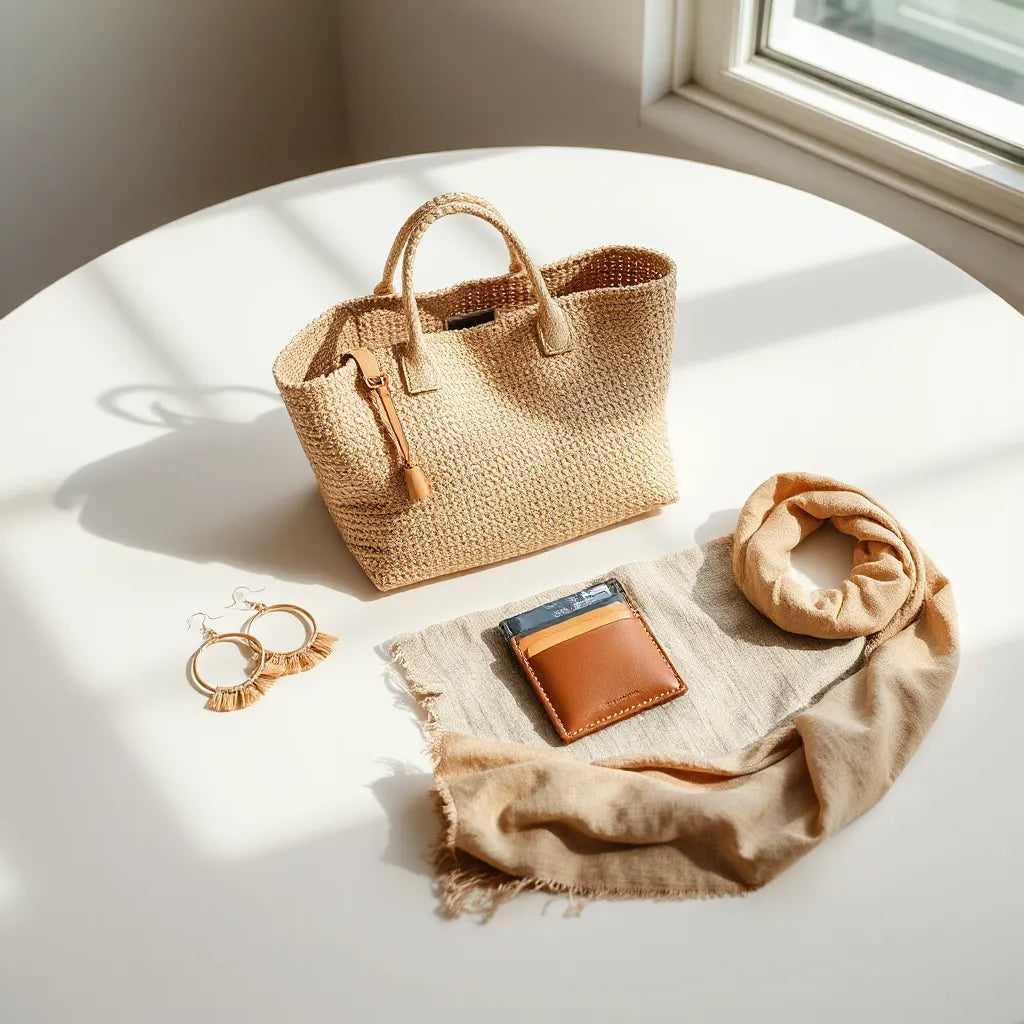
Visual guide to traceable materials and durable design
Common Challenges When Shopping Responsibly
Even well-intentioned shoppers can encounter obstacles when buying sustainable fashion accessories. The challenges are often not obvious from product photos or marketing language. Below are frequent issues and the best ways to address them.
1) Vague sustainability claims
Many listings use broad terms such as eco-friendly or sustainable without explaining how. Sustainability is not a single feature; it is a set of decisions across sourcing, production, and distribution. A responsible brand should be able to describe material quality, manufacturing approach, and how it reduces waste.
Solution: Prioritize sellers that share concrete details, such as where items are made, what materials are used, and how items are finished. When the story is specific, it is easier to verify through visible product build quality.
2) Confusing material trade-offs
Shoppers may assume that all recycled or alternative materials are equally low impact. In reality, impact varies by processing method, contamination risks, and durability. A material that looks sustainable on paper can fail quickly, which increases the cost and waste burden.
Solution: Choose accessories designed for long-term wear. Look for strong construction, secure closures, and finishes that can be maintained. Durability is often the most reliable sustainability lever.
3) Short accessory lifetimes from poor repairability
Some accessories are difficult to repair because of hidden joins, fragile components, or non-standard parts. When repairs are impractical, consumers replace the accessory instead of extending its use.
Solution: Select designs that are straightforward to maintain: classic settings, sensible chain geometry, and components that can be serviced. Repairable fashion accessories support a circular mindset.
4) Overlooked shipping and packaging impacts
Packaging and logistics affect the overall footprint. Excessive packaging, inefficient routes, and long supply chains can increase waste and emissions.
Solution: Favor businesses that ship directly to the customer and use packaging that is proportionate to the item. Direct shipping can reduce handling and minimize unnecessary transport steps.
Material and Sourcing Comparison
To make sustainable fashion accessories easier to evaluate, it helps to compare common options by durability, sourcing transparency, and maintenance needs. The table below uses general industry characteristics. For specific products, review the brand’s material and care information.
| Approach | Typical strength | Common risk | Best-fit use |
| Solid precious metals | High longevity, good wear resistance, serviceable | Requires care to avoid tarnish or surface damage | Everyday accessories and heirloom-style pieces |
| Gold vermeil (gold over silver) | Aesthetic warmth with a base metal that can be maintained | Finish thickness affects lifetime; replating may be needed | Style-forward pieces with classic silhouettes |
| Recycled content | Can reduce demand for newly mined material | Verification varies; purity and processing matter | Shoppers seeking lower virgin material pressure |
| Plated or coated metals | Lower upfront cost | Coating wear can shorten useful life | Occasional wear with planned replacement |
| Handmade construction | Better consistency and repair-friendly structure | May require more careful handling initially | Collectors who value craft and lasting value |
When these factors are combined, the most practical path to sustainability is often simple: choose durable materials, select timeless design, and ensure the accessory can be maintained. This approach is especially effective for handmade silver jewelry, where classic proportions and strong chain construction help accessories remain wearable for years.

Side-by-side icons for durability, repair, and direct shipping
How to Choose Accessories That Stay in Style Longer
Shopping for sustainable fashion accessories becomes easier when you use a consistent checklist. The following steps focus on product longevity, material integrity, and practical care.
Start with purpose and daily conditions
Before choosing a piece, assess where it will be worn. Accessories that handle daily wear need stronger links, stable clasps, and finishes that tolerate friction. If you wear jewelry frequently, consider selecting chains and pendants designed for repeated movement.
For example, a well-made rope chain can maintain its shape better than fragile alternatives because its interlinked structure resists kinks. Classic chain profiles also look correct with casual and formal outfits, which reduces the temptation to replace for style reasons.
Look for craftsmanship indicators
Handmade silver jewelry often signals quality in details such as join accuracy, polish consistency, and the alignment of connected parts. These details are not merely aesthetic. They influence strength, comfort against skin, and how the item responds to long-term wear.
When craftsmanship is rooted in a defined production location, buyers also gain clearer context for process controls. That is one reason shoppers prefer brands that manufacture in Italy and ship directly to the customer.
Choose repairable design
Repairability is a sustainability advantage because it extends an accessory’s usable life. Practical indicators include secure clasps, understandable chain sizing, and components that can be serviced without disassembling the entire piece.
In many collections, a classic pendant with a balanced attachment point can be maintained by adjusting chain wear or cleaning the contact surfaces. If you intend to wear your accessory for years, prefer designs that can be restored rather than discarded.
Prioritize responsible material quality
Sustainable fashion accessories require material quality that matches the claims. Solid sterling silver can maintain a high aesthetic standard when cleaned and stored properly. If you choose gold vermeil finishes, understand that the top layer is still subject to abrasion, and maintenance matters.
To make an informed decision, focus on whether the item is built for repeat wear. A durable chain is not only a style choice; it is an environmental choice because fewer replacements are required.
Adopt simple care habits
Care is often overlooked, yet it determines how long an accessory stays beautiful. Simple routines can significantly reduce tarnish and surface wear.
- Wipe the accessory after exposure to sweat, lotions, and water.
- Store jewelry separately to prevent micro-scratches from contact.
- Use gentle cleaning methods appropriate for the metal type.
These habits also support sustainability by preserving finish integrity and reducing the need for refinishing.
Use thoughtfully selected internal resources
If you are looking for handmade silver jewelry with an Italy-based production approach and direct shipping to customers, you can evaluate options from ItaliaChains. Consider reviewing chain styles that match your daily wear needs and comfort preferences. For example, you may compare rope chain profiles and pendant designs from the following pages:
Summary & Recommendations
Sustainable fashion accessories work best when sustainability is treated as a measurable outcome, not a label. Focus on durability, traceable material decisions, and repair-friendly construction. When you buy accessories that can be maintained, you reduce waste and improve long-term value.
Adopt a practical shopping process: verify that the brand’s production story is specific, select materials and designs that withstand daily wear, and maintain the accessory with simple care routines. If you want to align craft with responsible purchasing, handmade silver jewelry made in Italy and shipped directly to the customer can be a strong fit.
Next step: Choose one accessory that will replace a “wear once and forget” item. Build a small collection around classic silhouettes, then maintain each piece to preserve finish and structure.
Q&A
Are sustainable fashion accessories always more expensive?
Not always. Some accessories carry a higher upfront price, but the total cost often becomes lower when the item lasts longer. Durability reduces replacement frequency, and repairable designs can extend use without buying a new piece. When comparing options, evaluate lifespan and maintenance needs rather than only the purchase price.
What certifications should I look for?
Certifications can be helpful, but they are not the only factor. A more reliable approach is to confirm what the brand actually does: material sourcing details, production location, and a clear maintenance and repair approach. Certifications become more meaningful when they connect directly to those operational choices.
How can I verify sustainability claims in product descriptions?
Look for specificity. Claims such as lower impact should be supported by information about materials, manufacturing methods, and logistics. If the description explains where the accessory is made, what metal is used, and how it is finished and maintained, the claim becomes easier to assess. You can also evaluate sustainability indirectly through build quality and design longevity.
What is the most effective way to reduce waste with accessories?
The most effective strategy is extending the working life of what you already own. Clean and store accessories properly, repair damage when possible, and choose timeless styles that remain wearable across seasons. When replacement is necessary, select pieces designed for long-term wear so that future waste is reduced as well.
Does buying handmade silver jewelry automatically mean it is sustainable?
Handmade construction is often associated with better quality control and improved repairability, which can support sustainability goals. However, sustainability also depends on material sourcing and production practices. You should still evaluate material quality, production context, and maintenance guidance to confirm that the product fits your sustainability standards.
About the Author
Mike Luciano is an expert in jewelry craftsmanship, materials strategy, and sustainable sourcing for accessories. His work focuses on how design decisions affect durability, repairability, and long-term customer value. He is committed to practical guidance that helps shoppers choose pieces they can wear for years. Thank you for reading, and may your accessory choices reflect both style and responsibility.
Disclaimer: This article provides general educational information and does not constitute professional advice. Product availability, material specifications, and shipping practices may change over time, so customers should review current product details on the official website before purchase.
Partager:
Tri-Color Chain Necklace Styling Tips for Everyday Wear
Essential Oil Blends for Relaxation: Easy Recipes