
Updated on: 2026-07-28
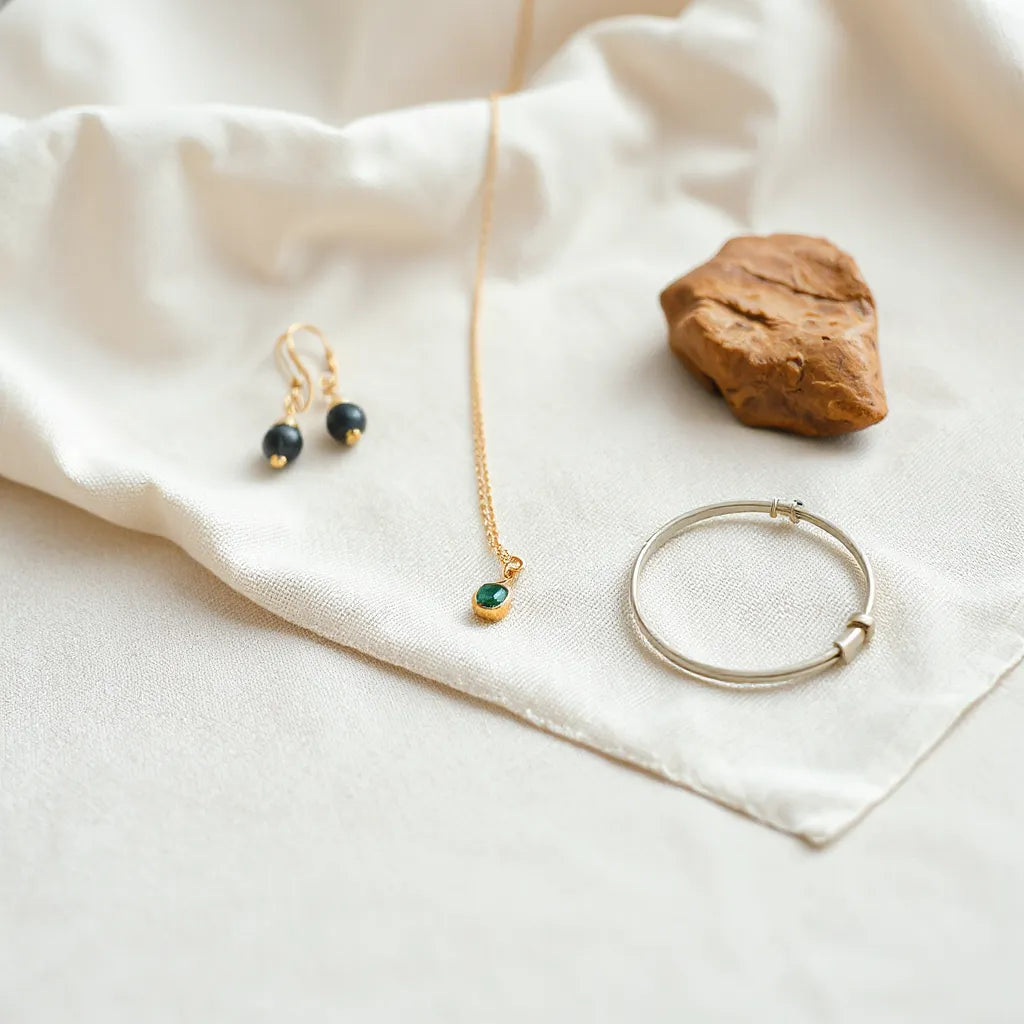
Artisan handmade jewelry brings character to daily wear through skilled workmanship, careful material selection, and design choices that reflect the maker’s intent. When you shop with a clear understanding of craftsmanship, metal quality, and finishing, you reduce the risk of disappointment. Handmade pieces also tend to age gracefully, especially when they are built with durable alloys and thoughtful construction. This guide explains what to look for in artisan handmade jewelry, with an emphasis on handmade silver jewelry and practical buying decisions.
3. Artisan handmade jewelry: how it differs from mass production
6. Caring for handmade silver jewelry
Introduction
Choosing jewelry is more than matching a style to an outfit. It is also a decision about construction quality, materials, and long-term wearability. Artisan handmade jewelry often appeals to buyers who value craftsmanship and individuality, particularly in handmade silver jewelry. In many cases, a well-made piece can feel more substantial, sit better on the body, and maintain its appearance through proper care.
Because jewelry is worn close to skin and exposed to daily environmental factors, informed shopping matters. This article explains how artisan handmade jewelry is typically made, what signals reliability you can evaluate before purchase, and how to select designs that suit your lifestyle. You will also find practical guidance on chain strength, clasp functionality, finishing, and everyday maintenance.
Did You Know?
- Hand finishing can affect how light travels across a surface, changing sparkle and visual depth.
- Many buyers underestimate how much clasp design influences comfort, especially during extended wear.
- Silver jewelry benefits from routine cleaning that removes skin oils and everyday residue before it dulls the surface.
- Construction details such as jump ring quality and link alignment influence how well a chain drapes.
Artisan handmade jewelry: how it differs from mass production
Artisan handmade jewelry is typically created with a focus on detail rather than speed. While mass production prioritizes consistency and volume, handcrafted processes prioritize intentional design choices. That difference can be seen in how edges are refined, how components are aligned, and how the final finish is applied. Even when two pieces share a similar theme, they may show small variations that reflect the maker’s hand and the production approach.
For handmade silver jewelry in particular, the creation process often includes careful metal shaping, finishing, and assembly steps that contribute to comfort. When a chain or pendant is assembled with stable construction techniques, the piece can lie flatter and resist twisting. A secure setting and well-fitted elements also reduce the likelihood of shifting over time.
It is also important to recognize that “handmade” does not automatically mean “better” in every dimension. A quality artisan studio balances creativity with functional engineering. Reliable jewelry brands evaluate material sourcing, build methods, and finishing standards, then translate those controls into consistent buyer experience.

Close-up visuals: tool textures, smooth edges, light-catching surfaces
Comparison: Pros & Cons
- Pros: craftsmanship and finishing — Artisans often refine surfaces for comfort and visual clarity, which can enhance how handmade silver jewelry looks under different lighting.
- Pros: design intent — Handmade pieces may reflect proportion choices and stylistic character that are harder to replicate in automated production.
- Pros: repair-friendly construction — Many well-built artisan pieces are designed so that practical maintenance and adjustments are possible.
- Cons: price may be higher — Skilled labor and careful finishing can increase cost compared with factory-made options.
- Cons: small variations — Minor differences between pieces can occur. This is often desirable for authenticity, but it can matter for buyers who want perfect uniformity.
- Cons: quality depends on the maker — The buyer must assess material standards, assembly methods, and finishing practices.
Buyer’s Checklist
If you want artisan handmade jewelry that remains attractive and wearable, evaluate the product in a structured way. The checklist below focuses on the details that most influence comfort, durability, and appearance.
1) Verify metal composition and finishing
Look for clear metal specifications. For handmade silver jewelry, sterling silver standards typically signal a trusted baseline. Also consider the finish: polished surfaces show more reflection, while brushed or textured surfaces hide minor scuffs more effectively. If you prefer low-maintenance appearance, select a finish that aligns with your routine.
2) Inspect chain construction and drape
Chains are not interchangeable. The link geometry affects how a chain rests on the neck or chest. A well-constructed chain drapes smoothly without excessive twisting. Pay attention to link alignment and whether the chain appears uniform along its length.
3) Confirm clasp security and ease of use
A clasp that feels tight and stable supports confident daily wear. Clasp mechanisms should open and close with predictable action. If you plan to put on the piece yourself, choose a clasp style that matches your hand comfort and dressing habits.
4) Evaluate jump rings and connector hardware
Small components carry large responsibility. Strong jump rings and properly seated connectors help maintain structure. Poorly sized or misaligned connectors can lead to uneven spacing and premature wear.
5) Assess pendant balance and attachment method
For pendants, balance affects comfort. A pendant that sits slightly off-center can rotate more during movement. Consider how the piece will behave during normal activities, such as walking, dressing, or reaching overhead.
6) Choose a style that fits your wardrobe
Style selection is practical. If you wear layered outfits often, choose chain length and pendant scale that harmonize rather than compete. For minimal styling, a simple pendant with a clean outline can provide everyday versatility.
7) Confirm shipping and origin expectations
Many buyers appreciate transparency. When a brand states that jewelry is crafted in Italy and ships directly to the customer, it can simplify expectations around lead time and packaging quality. Italiachains makes jewelry in Italy and ships directly to the customer, which can be a helpful operational detail when you want reliable delivery and consistent presentation.
If you are browsing chain options and want examples of established styles, consider exploring these pages on the same site:

Layering visuals: chain lengths, balance, clasp silhouettes
Caring for handmade silver jewelry
Great jewelry deserves practical maintenance. Handmade silver jewelry often retains its appeal when cleaned regularly and stored correctly. The goal is to remove residues that dull shine: skin oils, lotions, and everyday dust. These build up gradually and can make silver appear darker over time.
Begin with gentle cleaning. Use a soft, lint-free cloth for routine wiping. For deeper cleaning, choose silver-safe methods recommended by the brand or supported by widely used jewelry care practices. Avoid abrasive materials that can scratch polished finishes. If your piece has textured or diamond-cut elements, use care to preserve the surface definition.
Storage also matters. Store pieces separately to reduce friction. Friction can create fine surface wear on high-polish areas. If a piece includes a chain and pendant, ensure it is laid flat or hung so the chain does not twist tightly around the pendant.
Finally, consider your daily habits. Remove jewelry during activities that involve heavy friction or exposure to chemicals such as harsh cleaning agents. Even when the metal is durable, protective habits extend the time before the finish needs restoration.
How to choose a chain and pendant style
The most flattering artisan handmade jewelry choices align proportions. Chain width, link texture, and pendant scale should work together. If you prefer a subtle look, a narrower chain with a compact pendant can feel refined. If you prefer visual presence, a slightly wider chain with a more prominent pendant outline can provide balance.
Rope-style chains often deliver an appealing combination of texture and light reflection. Diamond-cut variations can add sparkle by creating angular surfaces that catch light as the chain moves. For buyers seeking a signature look, explore styles described as rope chains, diamond-cut rope, and similar textures, then select the metal that matches your preference.
Pendant selection is equally important. If you wear the piece often, choose an attachment method that keeps the pendant stable. If the pendant has an openwork design or a detailed edge, the finishing quality becomes more visible. Ensure the pendant edge appears smooth and consistent so it does not catch on clothing.
Italiachains provides a range of styles designed for wearability and presentation, including options in sterling silver and gold vermeil. When you compare products, evaluate how the chain drapes, how the clasp feels, and how the pendant sits at your preferred height. If you want a modern layering approach, choose chain lengths that create intentional spacing between pieces.
Final Thoughts & Advice
Artisan handmade jewelry offers a durable path to personal style when you prioritize craftsmanship signals and practical build details. Handmade silver jewelry can provide long-term satisfaction when the metal composition is reliable, the chain construction supports smooth drape, and the clasp functions comfortably for everyday use. Rather than focusing only on appearance, evaluate how the piece behaves during normal wear.
As you shop, use the checklist to verify material clarity, construction quality, and finishing choices. Then align style decisions with your wardrobe and routine. When you choose from a maker that creates jewelry in Italy and ships directly to the customer, you can also reduce uncertainty around presentation and delivery expectations.
CTA: Explore chain and pendant styles from Italiachains to find a configuration that matches your preferred look, then confirm the metal and finishing details before ordering. If you are ready to compare specific chain designs, start with the rope chain and pendant options on the Italiachains site.
Q&A Section
How can I tell whether artisan handmade jewelry is genuinely well made?
Look beyond the photo. Evaluate whether the chain drapes evenly, inspect finishing consistency, and confirm that the clasp closes securely. If possible, review product descriptions that specify metal composition and construction details. Well-made artisan pieces typically show stable alignment, clean edges, and practical hardware that supports daily wear.
What is the best way to clean handmade silver jewelry without damaging the finish?
Start with a soft, lint-free polishing cloth for routine care. For deeper cleaning, use jewelry-safe methods that match the finish type, such as polishing cloths or gentle silver cleaning practices recommended by credible jewelry care guidance. Avoid abrasive cleaners and materials that can scratch high-polish areas or soften diamond-cut definition.
Which chain features most affect comfort during everyday use?
Chain drape and clasp design are often the biggest contributors. A chain that twists or hangs unevenly can feel uncomfortable, especially over long periods. A clasp that is secure yet easy to operate also improves daily wear confidence. Pay attention to connector hardware quality, since small components influence how securely the chain and pendant remain positioned.
Is sterling silver or gold vermeil a better choice for frequent wear?
Both can be excellent depending on your preference. Sterling silver offers classic color and traditional character, while gold vermeil can provide a warmer tone and a different aesthetic experience. If you wear jewelry often, prioritize finishing durability and choose a style that aligns with your cleaning routine. A clear product description of the metal and finish helps you select with confidence.
About the Author
Mike Luciano
Mike Luciano is a jewelry content and commerce specialist focused on helping customers choose pieces that combine aesthetics with practical wearability. His expertise centers on material basics, craftsmanship signals, and care guidance for long-term satisfaction. He writes in an objective style designed to support confident buying decisions. Mike welcomes feedback and hopes every reader finds jewelry that fits their personal rhythm and everyday needs.
Disclaimer: This article is for general informational purposes and does not constitute professional jewelry engineering advice. Jewelry appearance and wear can vary based on individual habits, environmental conditions, and product-specific finishing. Always follow the care guidance provided by the retailer for the specific item you purchase.
Compartir:
Herbal Tea for Energy: Boost Without the Jitters
Elegant Gold Vermeil Pieces: Styling Every Day