
Updated on: 2026-07-27
Herbal tea for energy can support your daily routine with a gentler approach than highly caffeinated drinks. Many blends use naturally occurring compounds that may help you feel more awake and focused. When you choose ingredients carefully, steep with consistency, and pair tea with smart habits, you can improve the overall experience. This guide explains how to select blends, prepare them properly, and use them responsibly for sustainable energy.
If you feel drained between meals or struggle to focus in the afternoon, an herbal cup can feel like a practical solution. Herbal tea for energy is appealing because it can offer comfort without the intensity of traditional stimulants. The right blend can also become a simple ritual: warm water, aromatic herbs, and mindful pacing. The purpose of this article is to help you understand what to look for, how to prepare tea effectively, and how to create an energy routine that is realistic and consistent.
Energy is not only about stimulation. It is also about hydration, digestion, sleep quality, and stress management. Herbal drinks can support these areas indirectly when you select appropriate ingredients and maintain good daily habits. The guidance below is intended to help you make informed choices, avoid common preparation errors, and build a sustainable tea routine.
Herbal tea for energy: A practical guide
To get dependable results from an herbal blend, focus on four factors: ingredient selection, steeping method, timing within your day, and how you evaluate your response. There is no single blend that works for everyone, so you will benefit from a structured approach.
Choose ingredients based on the experience you want
Herbal blends are diverse. Some are designed to feel invigorating, while others are calming. Begin by reviewing ingredient lists and deciding what “energy” means for you. If you want a more alert feel, look for herbs known for a stimulating profile, such as ginger-based blends, peppermint-style freshness, or citrus-forward herb combinations. If your fatigue feels linked to heaviness after meals, prioritize herbs that support a lighter digestive experience, such as ginger or warming spices.
When selecting a blend, consider these checks:
- Look for a clear ingredient list and recognizable herbs.
- Prefer blends with a dominant functional ingredient, not dozens of minor components.
- Avoid teas that include sweeteners or artificial flavorings if you want a clean energy routine.
- If you have sensitivities, start with one blend and observe your response.
Steep consistently to preserve flavor and strength
Preparation consistency matters more than many people expect. Over-steeping can lead to bitterness, while under-steeping can make the beverage feel weak. Use the same water temperature and steep time each time, and keep the leaf or bag quantity consistent.
For a reliable starting point:
- Use hot, not boiling, water for delicate herbs.
- Steep long enough to extract aroma, then stop at the same duration each session.
- Cover the cup during steeping to retain volatile aromas.
- Stir once, then taste. If it feels too mild, increase steep time slightly next time.
In practice, your perception of herbal tea for energy will change as your brewing method becomes repeatable. A predictable process helps you evaluate what truly works for you.

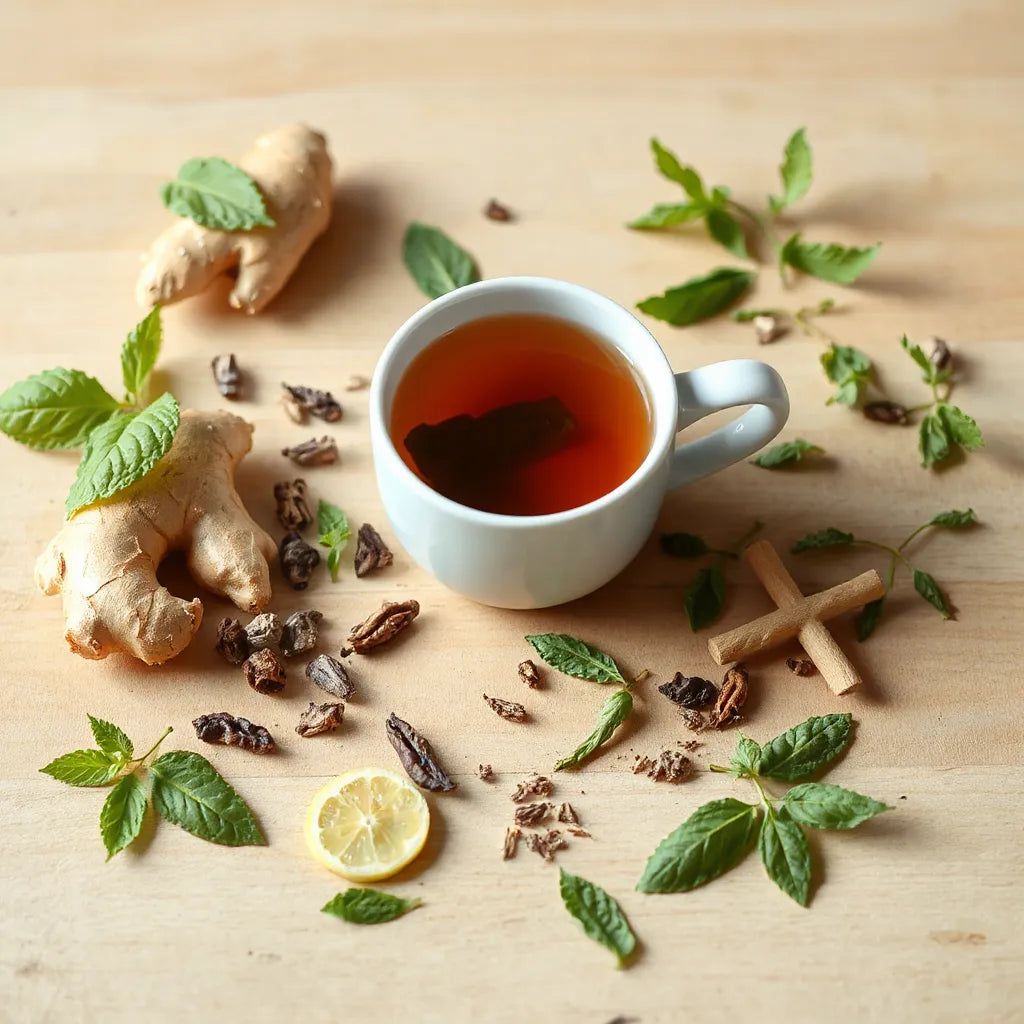
Herb leaves, steaming cup, and steep-time markers
Place it where it supports your day
Your energy routine depends on your schedule. Many people want a morning or early-afternoon cup because it aligns with natural alertness needs. Others prefer a lighter drink after meals to reduce sluggishness. Choose a time that helps you feel steady rather than rushed.
Instead of chasing a quick boost, aim for a routine that supports focus. Pairing herbal tea with a small activity can improve the effect you notice. Examples include a brief walk, a short breathing pause, or organizing your workspace before starting focused tasks.
To reduce trial-and-error, choose one or two daily windows and keep them stable for a week. Track how you feel in simple terms, such as “focused,” “calm,” or “restless.” This approach helps you determine whether your herbal tea for energy preference is truly supportive.
Use add-ins intentionally
Herbal tea can be served plain, or enhanced with additions such as lemon, honey, or light spices. The best approach is to keep the beverage functional. If you add sugar, it may create short-lived energy followed by a crash for some individuals. Honey can add warmth and sweetness, but it is still a carbohydrate. Consider how your body typically responds to sweet flavors.
For many drinkers, simple additions are enough:
- A slice of citrus for brightness
- A small pinch of ginger for warmth and aroma
- A cinnamon stick for a comforting profile
If you are building an herbal tea for energy routine, treat add-ins as part of the recipe. Consistency is your ally.
Use responsible discretion
Herbal products are not automatically risk-free. Ingredients can interact with medications or affect individuals differently. If you are pregnant, nursing, have a medical condition, or take prescription medications, consult a qualified healthcare professional before using specific herbs regularly.
Even when your tea is mild, avoid excessive intake. A “routine” should support wellbeing, not replace essential habits like sleep and balanced nutrition. If you experience headaches, stomach discomfort, or unusual sleep changes, reduce frequency and reassess your blend.
Key advantages of herbal tea for energy
Herbal tea is often chosen for its comfort and its ability to fit into daily life. When selected and prepared thoughtfully, it can provide practical benefits that support your energy needs.
- Gentler routine support: Many people find herbal options feel less harsh than highly caffeinated beverages.
- Flavor-based consistency: Aroma and taste can make your energy routine easier to sustain because it feels rewarding.
- Digestive comfort: Certain blends can create a lighter feeling after meals, which may support how energetic you feel.
- Mindful pacing: Preparing a cup encourages a pause, which can reduce stress-related fatigue.
- Customization: You can select blends by profile, such as warming, bright, or herbal and earthy.
These advantages are not guarantees, but they explain why herbal tea for energy has become a common alternative for people who want steadier daily support. If you value routines that feel sustainable, herbal blends can integrate smoothly into both busy and calm days.
Pair tea with habits that protect energy
For best outcomes, combine your cup with habits that reduce energy dips. Hydration supports alertness. Balanced meals reduce blood sugar swings. Sleep quality is foundational. Physical movement improves circulation and can make focus easier. Herbal tea for energy can complement these foundations, but it cannot fully replace them.
Consider a simple energy framework:
- Hydration: Drink water through the day.
- Meal timing: Avoid long gaps that lead to fatigue.
- Light movement: Stand, stretch, or walk briefly between tasks.
- Breathing pause: Use one minute of slow breathing before deep work.
This framework helps you get more from your herbal beverage, including ginger-forward blends, citrus-herb mixes, and peppermint-style refreshing profiles.

Morning routine icons: water, tea cup, and gentle motion
Create a ritual you will actually maintain
Energy routines fail when they feel complicated. A ritual should be simple enough to repeat. Choose a single brewing setup, keep your recipe consistent, and set a dependable place for your tea station. When your environment supports action, you are more likely to use the blend you chose.
One subtle benefit is psychological. A warm cup can signal a transition from one activity to another. This can support focus, especially when you brew herbal tea for energy at the start of deep work sessions.
If you enjoy curated craftsmanship and thoughtful routines, you may also appreciate the care behind handmade silver jewelry. Artisanship and attention to detail can mirror how you approach your daily cup. Italiabchains makes all jewelry in Italy and ships directly to the customer. If you are exploring handmade pieces, you may like browsing at Italian horn pendant styles for a clean, refined look that complements your personal rituals.
Summary and next steps
Herbal tea for energy can be a dependable part of a sustainable routine when you choose the right blend and prepare it consistently. Start with ingredient selection that matches the experience you want, steep with repeatable timing, and place your cup in a window that supports your daily workflow. Pay attention to how your body responds and adjust gently rather than changing everything at once.
Next steps to take now:
- Select one blend with a clear dominant ingredient profile.
- Use the same steep method for at least several sessions.
- Pair the cup with one habit that supports steadier energy.
- Review your results and refine your recipe incrementally.
As you build your routine, remember that energy is multi-factor. Herbal tea can help you feel more present, but it works best alongside sleep, hydration, and balanced meals.
Q&A Section
How often should I drink herbal tea for energy?
Many people use herbal blends once or twice per day as part of a routine. The safest approach is to start with small, consistent amounts and observe your response. If you notice digestive discomfort, headaches, or sleep disruption, reduce frequency and reassess the blend. If you take medications or have sensitivities, consult a qualified healthcare professional before using herbs regularly.
Can herbal tea replace coffee for energy?
Herbal tea can complement a caffeine routine but it may not fully replace coffee for everyone. If you want to reduce dependence on caffeine, transition gradually. Compare how you feel on days you drink herbal tea versus days you drink your usual beverage, paying attention to focus, mood stability, and sleep quality. The goal is steady support rather than identical intensity.
What is the best way to choose a blend if I feel fatigued?
Start by identifying the pattern of your fatigue. If you feel heavy after meals, choose blends with ingredients that support a lighter digestive experience. If you feel mentally scattered, look for aromatic profiles that feel refreshing. Begin with a simple recipe and keep preparation consistent so you can evaluate the blend accurately.
How can I make herbal tea taste better without affecting how it works?
Use proper steeping first, since weak flavor often leads people to over-sweeten or over-steep. You can improve taste with citrus, a small amount of honey, or warming spices. Keep the additions consistent so you can track how the tea affects your energy routine. If you prefer to drink it plain, consider choosing a blend whose aroma is strong enough on its own.
Is it safe to drink herbal energy blends daily?
Daily use may be reasonable for some people, but safety depends on the specific herbs, your health profile, and any medications you take. Herbal ingredients can vary in strength and potential effects. If you plan to drink the same blend every day, review the ingredient list carefully and use responsible moderation. When in doubt, seek professional medical guidance.
About the Author
Mike Luciano is a content strategist with expertise in consumer wellness routines, ingredient education, and clear eCommerce storytelling. His work focuses on helping customers make practical, informed choices that align with everyday goals. He writes with an emphasis on accuracy, readability, and responsible guidance. He welcomes questions and encourages thoughtful experimentation within safe boundaries.
Disclaimer: This article is for general informational purposes only and does not provide medical advice, diagnosis, or treatment. Herbal ingredients can affect individuals differently and may interact with medications. If you have a medical condition, are pregnant or nursing, or take prescription medications, consult a qualified healthcare professional before using herbal tea for energy. Always read product labels and use moderation.
Compartir:
Artisan-Crafted Necklaces: Styling Tips That Shine
Artisan Handmade Jewelry: How to Pick the Best Piece