
Updated on: 2026-07-12
Flexible chain jewelry has a rare combination of comfort and style. It moves with the wearer instead of fighting for position. That makes it well suited for daily outfits, layering, and travel. With the right material, finish, and size, it can also look polished for years. This guide explains how to choose, care for, and style flexible chains with confidence.
Why Flexibility Matters in Chain Design
Materials and Finishes That Hold Up
How to Choose Length, Thickness, and Fit
Styling Ideas for Everyday Wear
Introduction
Flexible chain jewelry is a practical upgrade for anyone who wants jewelry that feels effortless. Unlike rigid designs that can twist or sit awkwardly, a well-made flexible chain follows the natural motion of your body. That comfort matters in daily life, whether you work at a desk, commute by public transport, or simply want a necklace that lies flat.
In this article, you will learn how flexibility is created, which materials perform best, and how to choose the right chain length for your personal style. You will also find styling guidance that supports handmade silver jewelry and modern layering habits. The focus stays on reliable craftsmanship and smart selection, especially from Italiabchains, where jewelry is made in Italy and ships directly to the customer.
Myths vs. Facts
Myth: Flexible chains are less durable than structured chains. Fact: Durability depends on link construction, metal quality, and finish. Flexibility can exist without sacrificing strength.
Myth: Any chain that moves will tangle easily. Fact: Tangle risk decreases with correct link geometry, proper length, and good care habits.
Myth: A flexible necklace cannot look refined. Fact: Fine profiles and polished surfaces can create an elegant drape while still allowing movement.
Myth: Choosing flexibility means compromising shine. Fact: With suitable plating or solid metal choice and consistent cleaning, shine can remain stable.
Personal Experience
I have seen the difference flexibility makes during everyday wear. A few years ago, I wore a necklace that looked perfect in the mirror but felt distracting in real life. It rotated when I reached for my bag, and the front piece kept shifting. Later, I switched to a flexible chain design and noticed immediate improvement. The necklace still looked intentional, but it stopped competing with my routine. That experience shaped how I evaluate jewelry now: comfort, movement, and appearance should all work together.
Why Flexibility Matters in Chain Design
Flexibility is not just a “soft feel.” It is a structural advantage. Chain links can be engineered to create a smooth drape that conforms to the neck without pulling. When the wearer moves, the chain can distribute motion across multiple links rather than concentrating stress at one point. This can reduce twisting and help the necklace remain in the intended position throughout the day.
From a design perspective, flexible chain jewelry typically uses link patterns that allow slight independent movement. Many buyers notice the difference immediately when trying on a chain with the correct length. A chain that is too short can feel stiff because it forces the links into a tight arc. A chain that is too long can move excessively and catch on clothing. The ideal combination depends on thickness, link style, and wearer anatomy.

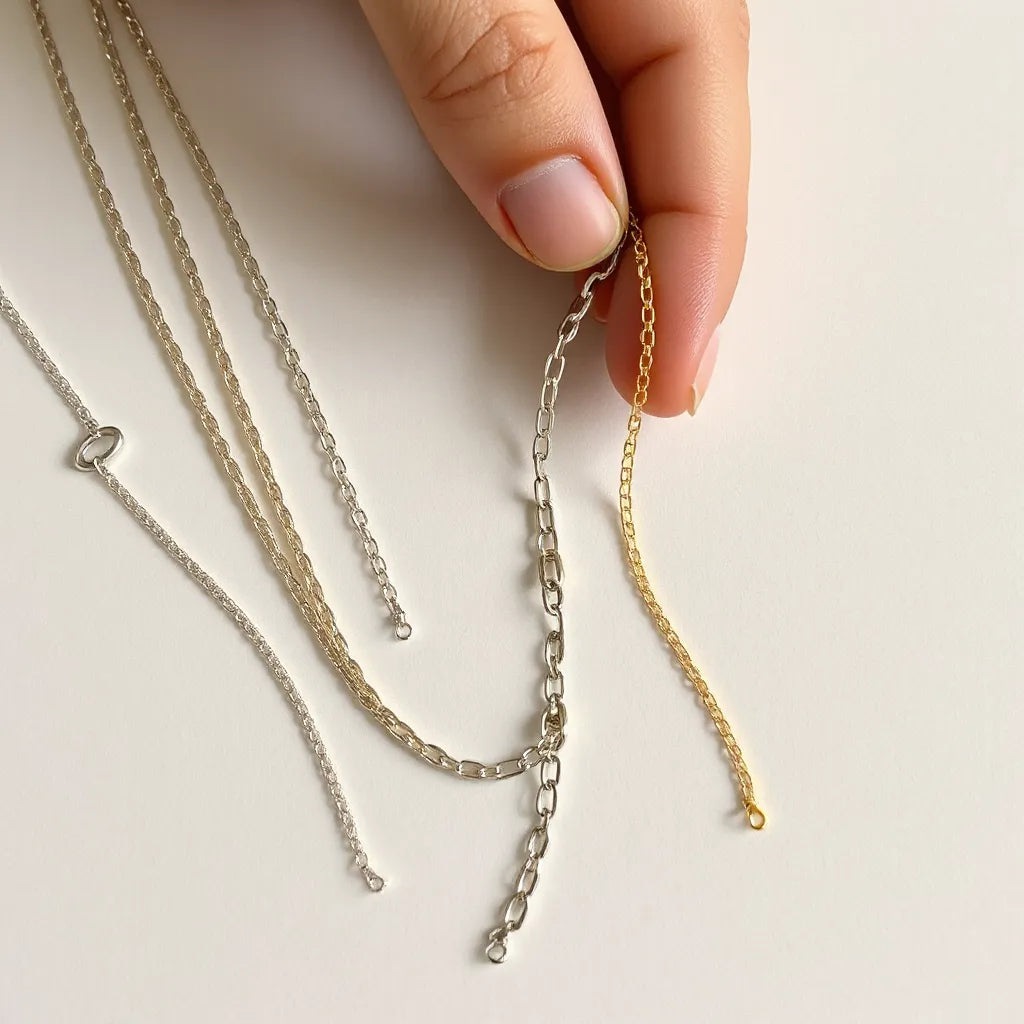
Flexible links show smooth drape and reduced twisting
Materials and Finishes That Hold Up
The material choice affects how a flexible chain behaves over time. For daily wear, the most important factors are metal density, surface finishing, and corrosion resistance. Solid sterling silver is a classic option because it is durable and develops a natural character when properly cared for. For those who want a warmer look, gold vermeil offers a plated finish that can provide a similar aesthetic while still allowing comfortable movement.
In practical selection, you can consider the following approach:
Solid metals for long-term simplicity: Solid sterling silver often suits buyers who prefer straightforward maintenance and a consistent color.
Vermeil for a gold-toned style: Gold vermeil can be an appealing choice when you want a refined tone without switching your wardrobe.
Polished surfaces for a clean visual: A smoother finish can reflect light evenly, which enhances the appearance of flexible drape.
It is also worth noting that handmade silver jewelry can vary slightly from piece to piece. That is not a flaw; it often reflects craft decisions made to produce a comfortable, wearable form. When you buy from Italiabchains, you benefit from jewelry made in Italy and shipped directly to the customer, which supports consistent quality control and production standards.
How to Choose Length, Thickness, and Fit
Choosing a flexible chain starts with fit. A necklace that lies too high can feel tight, especially when you turn your head. One that sits too low can shift frequently and tangle with sleeves or hair. For a confident decision, use a simple method: consider how you want the chain to sit in relation to your collarbone, and then pick a length that supports that exact look.
Thickness is equally important. A thin chain can feel light and elegant, but it may require careful layering to avoid crowding. A slightly thicker chain can provide more visual weight and a stable drape. Both can be flexible if the link construction is engineered for movement.
Common selection guidelines:
For subtle daily layering: Choose a thinner profile and a length that stays flat when you move.
For a clear statement shape: Choose a medium thickness that still bends smoothly without kinking.
For active schedules: Prioritize comfort first. A necklace should not feel like it pulls at the clasp.
Featured option:
925 Sterling Silver 2mm Wheat Chain Necklace,  Shop this chain
For buyers comparing options, you may also consider related chain styles in sterling silver, since the same fit principles apply. If you want a tested rope-chain profile for layering, you can explore Italian rope chain length options.

Length gauges compare drape positions at neckline
Styling Ideas for Everyday Wear
Flexible chain jewelry works best when it supports your wardrobe rather than overpowering it. The movement of the chain helps it blend with different neckline shapes. It can also adapt as you switch between casual and formal settings because the chain stays visually balanced.
Try these styling approaches:
Single necklace focus: Wear the chain alone with a clean neckline. The drape creates a refined line without extra styling steps.
Layering with consistent color: Pair sterling silver tones together. If you use gold vermeil, keep other items close in tone so the look remains cohesive.
Balance pendant weight: If you add a small charm, select a pendant that does not force the chain to twist. Flexible chains can carry small details smoothly when the attachment point is stable.
Day-to-night transitions: A simple flexible chain can move seamlessly from office wear to dinner. The chain will look intentional even when your outfit changes quickly.
If you prefer a more structured sparkle effect in a chain profile, a diamond-cut rope style is another path. For example, you can review 3mm diamond-cut rope chain designs when you want a lively surface and strong light reflection.
Care and Storage to Protect Shine
Even the best flexible chain jewelry needs basic care to keep a polished look. The goal is to reduce buildup and prevent abrasion between metal surfaces. When chains are worn daily, they encounter oils, dust, and fabric fibers. These can dull the finish and increase the chance of tangling.
Use these care habits:
Wipe after wear: Use a soft, lint-free cloth to remove skin oils and residues.
Clean gently: Use mild soap and lukewarm water when needed, then dry thoroughly. Avoid harsh chemicals that can damage plating or finish.
Store separately: Keep necklaces in a soft pouch or separate compartment to reduce friction.
Mind the clasp area: Check the clasp periodically. A well-functioning closure helps the chain stay positioned and reduces unnecessary strain.
For chain owners who wear jewelry while exercising or in humid environments, extra attention to drying and storage helps maintain comfort and appearance. A flexible chain often feels best when it is clean and free of residue, since residue can increase snagging on fabric.
Q&A
How do I know if a chain will truly feel flexible when worn?
Look for a chain that drapes smoothly without resisting movement at the neckline. When you try it on, gently move your head and shoulders. If the chain settles quickly and stays aligned, flexibility is likely engineered well. Fit matters as much as construction, so avoid choosing a length that forces the chain into a tight arc.
Will flexible chain jewelry tangle more easily than other styles?
Tangling depends on link geometry, surface finish, and length. Proper length reduces contact with fabric and hair, which is a major driver of tangles. Consistent cleaning and separate storage also reduce friction between links.
What is the best material choice for daily wear: sterling silver or gold vermeil?
Both can be excellent for daily use. Sterling silver is a strong option for a consistent classic tone. Gold vermeil can be a smart choice if you prefer a warmer appearance and want a refined finish. The deciding factors are your wardrobe color preferences and how often you plan to maintain the chain.
What length is most versatile for layering?
A versatile length is one that sits neatly at the collarbone area without twisting when you move. Many buyers prefer lengths that maintain a stable front position and allow the second layer to rest naturally underneath. If you are layering for the first time, select one chain as the base and choose the second chain to create a clear spacing line.
Final Thoughts & Takeaways
Flexible chain jewelry is valued because it supports real movement while still delivering a polished look. The key is not only the concept of flexibility, but also the details: correct length, suitable thickness, and a material with strong finish performance. When you select with fit in mind and care for the chain properly, you can maintain comfort and shine across everyday routines.
If you are building a collection of handmade silver jewelry, consider purchasing a flexible chain as a foundation piece. It can pair with pendants, charm styles, and layered looks with minimal effort. For buyers who want Italian craftsmanship made in Italy and shipped directly to the customer, Italiabchains is a reliable starting point.
If you want to explore more options, visit the relevant collection pages and choose the chain style that matches your preferred tone and drape. A well-chosen chain is a practical investment that complements both casual and formal wardrobes.
About the Author
Mike Luciano is a jewelry industry contributor focused on chain construction, material performance, and everyday styling for handmade silver jewelry. His work emphasizes practical fit, finish quality, and wearability across common daily scenarios. He also supports customers in selecting pieces that align with comfort and long-term value. Mike Luciano extends a friendly closing and encourages readers to choose with confidence.
Disclaimer: This article is for general information only and does not constitute professional jewelry assessment or guarantees of specific results. Individual wear, care habits, and environmental conditions can affect appearance over time.
Compartir:
Eco-Friendly Beauty Products: A Simple Ingredient Guide
Cruelty-Free Makeup: How to Build a Simple Routine